Mid-2026 Commodities Outlook: What Oil, Gold, and Copper Signal
An oil shock and potential Strait of Hormuz closure are rattling commodity markets and forcing a Fed policy rethink heading into mid-2026.
A confluence of geopolitical pressures is reshaping the commodity landscape at the midpoint of 2026, with oil at the center of the storm. Disruptions tied to the Strait of Hormuz — the critical chokepoint through which a significant share of global crude shipments pass — have reignited inflation concerns that policymakers had hoped were largely behind them. The ripple effects are being felt across energy markets and well beyond.
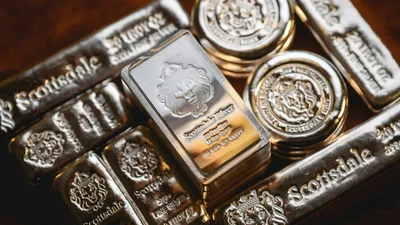
Gold, the traditional refuge in times of uncertainty, is attracting renewed attention as investors reassess the durability of the disinflation trend that defined much of 2024 and 2025. When oil shocks translate into broader price pressures, real yields come under scrutiny, and that dynamic historically underpins demand for the precious metal. The current environment appears to be following that familiar script.
Read more Binance Expands Into Gold and Silver Options Trading →
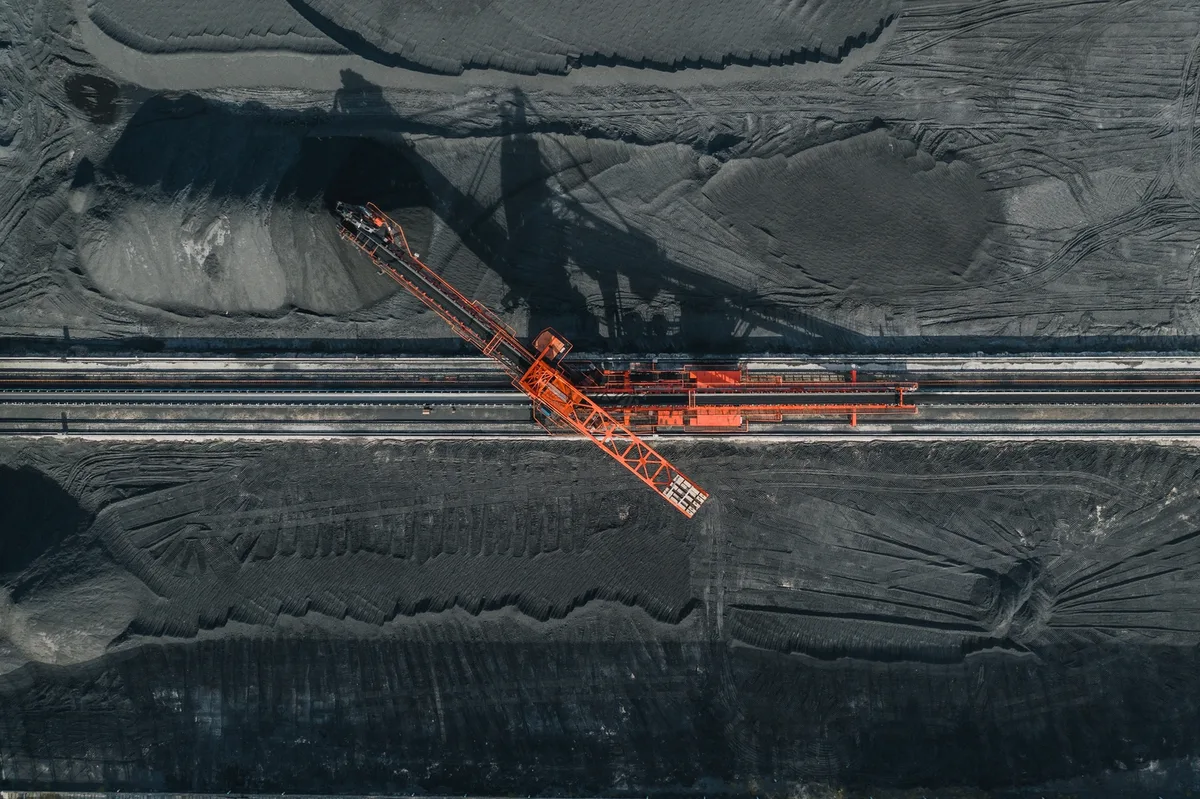
Copper tells a somewhat different story, straddling the line between industrial barometer and inflation hedge. As a metal deeply tied to construction, manufacturing, and the energy transition, copper's trajectory reflects both the demand-side anxiety created by slower global growth and the supply-side constraints amplified by geopolitical instability. Its price action in this environment offers a nuanced read on where industrial economies may be headed.
Perhaps most consequential is the feedback loop into Federal Reserve policy. An oil-driven inflation revival complicates the rate calculus considerably — the Fed faces the unenviable position of weighing persistent price pressures against the growth risks that an energy shock invariably introduces. Markets are repricing rate-cut expectations accordingly, and the commodity complex is both a cause and a symptom of that recalibration.
For investors navigating the second half of 2026, the interplay between these three commodities may offer the clearest real-time signal of how the macro regime is evolving. Continue reading at SeekingAlpha.