Minions Franchise Faces Franchise Fatigue With Seventh Film
The latest Minions installment is projected to underperform past entries, raising questions about the limits of animated franchise longevity.
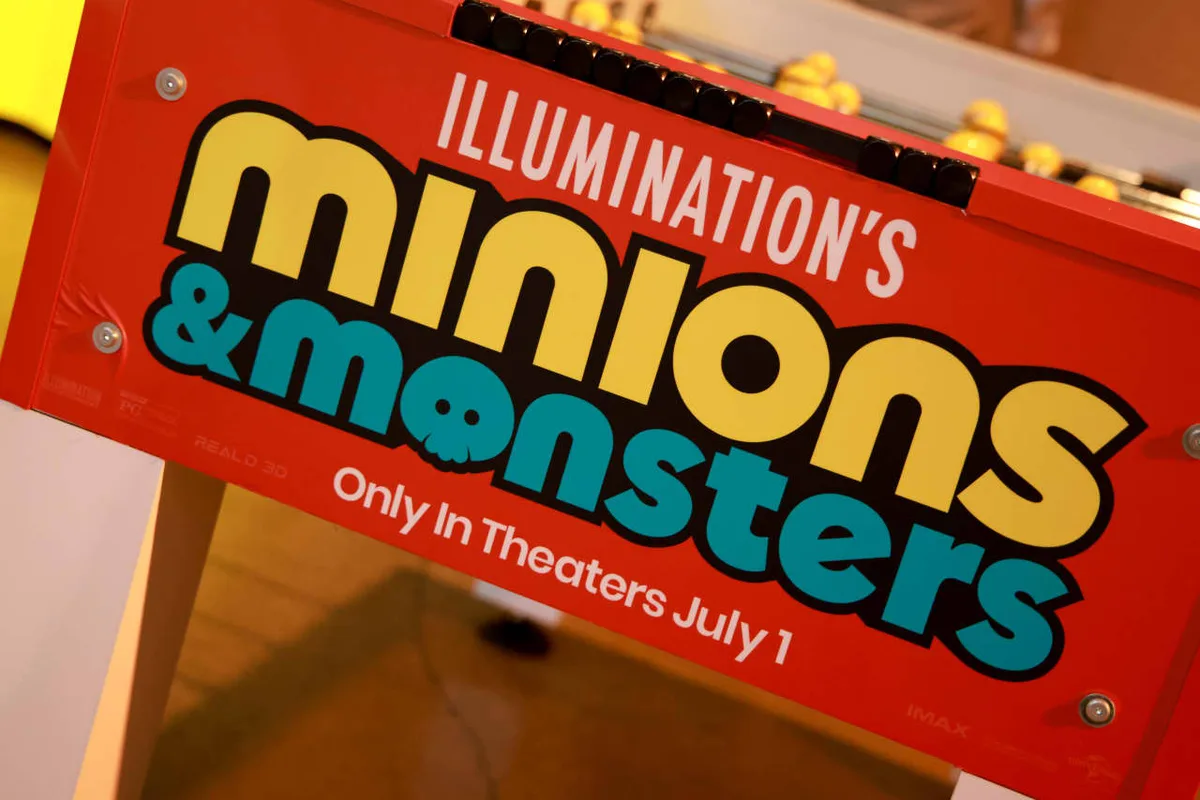
For nearly a decade and a half, the yellow, goggle-wearing Minions have been one of Hollywood's most reliable box-office engines, spawning a multimedia empire that transcended typical animated franchise boundaries. But with the arrival of the seventh installment, "Minions & Monsters," there are mounting signs that even the most durable crowd-pleasers eventually encounter diminishing returns.
Industry tracking suggests the new film is expected to generate less revenue than its predecessors — a notable shift for a series that had previously defied the conventional wisdom that sequels lose audience momentum over time. The Despicable Me and Minions universe had been a rare exception to that rule, consistently drawing families back to theaters across multiple generations of young viewers.
Read more Taco Bell Cyclospora Outbreak Clouds Yum Brands Earnings Outlook →
The concept of "franchise fatigue" is not new to Hollywood analysts, but it carries particular weight in the animation space, where studios depend on repeat viewership and merchandise ecosystems to justify the enormous production costs. When a flagship animated property begins to show softer tracking numbers, it signals not just a single underperforming film but a potential reassessment of the entire brand's cultural shelf life.
What makes the Minions case analytically interesting is the degree to which the franchise had bucked prior warning signs. Universal and Illumination built an unusually sticky property — one that generated viral cultural moments and theme park attractions alongside theatrical releases. Whether "Minions & Monsters" represents a temporary plateau or a more structural inflection point for the franchise remains the central question for studio executives and investors watching the opening weekend closely.
The broader implication for the entertainment industry is significant: even properties with seemingly bottomless audience goodwill are not immune to oversaturation. How Universal and Illumination respond — whether through longer gaps between releases, narrative reinvention, or a deliberate scaling back — will likely shape how other studios manage their own animated tentpoles in the years ahead. Continue reading at MarketWatch.com