Nvidia Missed the Chip Sector's Record Quarter — Here's Why
The semiconductor sector just logged its best quarter ever, but Nvidia was largely absent from the rally. What's holding it back?
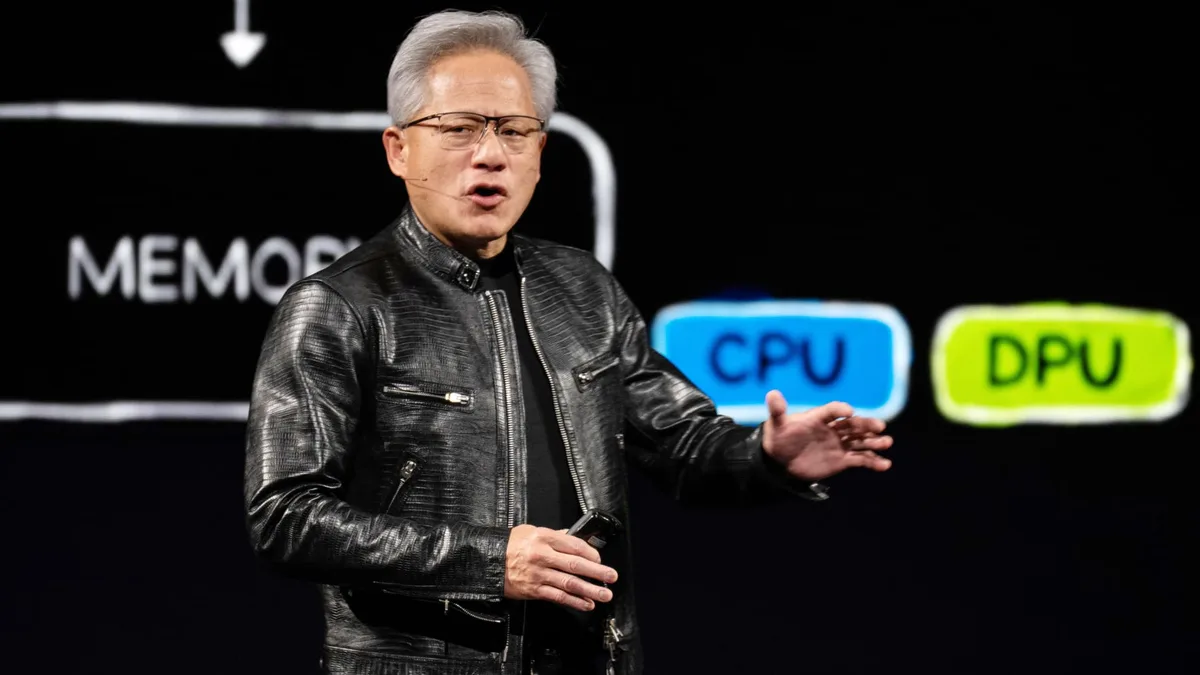
The semiconductor industry recently celebrated what analysts are calling its strongest quarter on record, a milestone that ordinarily would have Nvidia front and center. Instead, the AI chip giant largely sat out the celebration — a paradox that cannot be explained simply by glancing at the company's financial disclosures, which by most conventional measures remain impressive.
The disconnect points to something more nuanced than raw earnings performance. When a market leader underperforms a surging sector despite reporting strong numbers, it typically signals that investors are wrestling with forward-looking concerns — questions about valuation ceilings, competitive pressure, or whether the current growth narrative has already been fully priced in. In Nvidia's case, all three dynamics appear to be in play simultaneously.
Read more Binance Expands Into Gold and Silver Options Trading →
The chip sector's record-setting quarter was driven by broad-based momentum across memory, logic, and foundry segments, meaning the gains were distributed rather than concentrated in any single company. That context matters: Nvidia's relative absence from the rally is less a story about the company stumbling and more about the rest of the industry finally catching up, compressing the performance gap that Nvidia had long enjoyed as the defining beneficiary of generative AI spending.
What needs to change for Nvidia to reclaim sector leadership during periods of broad strength? Analysts would likely point to clearer visibility on next-generation product cycles, continued hyperscaler capital expenditure commitments, and evidence that demand for its current GPU architecture isn't plateauing. Without fresh catalysts, even a dominant franchise can find itself treading water while peers surge.
The episode serves as a reminder that in high-valuation technology investing, reported results and stock performance can diverge sharply — and that reading the gap between the two is often where the real analytical work begins. Continue reading at CNBC.