Nvidia's Robotics Bet and the Smarter Ways to Play It
Jensen Huang sees humanoid robots as a multitrillion-dollar opportunity. Here's what that means for investors beyond just buying Nvidia stock.
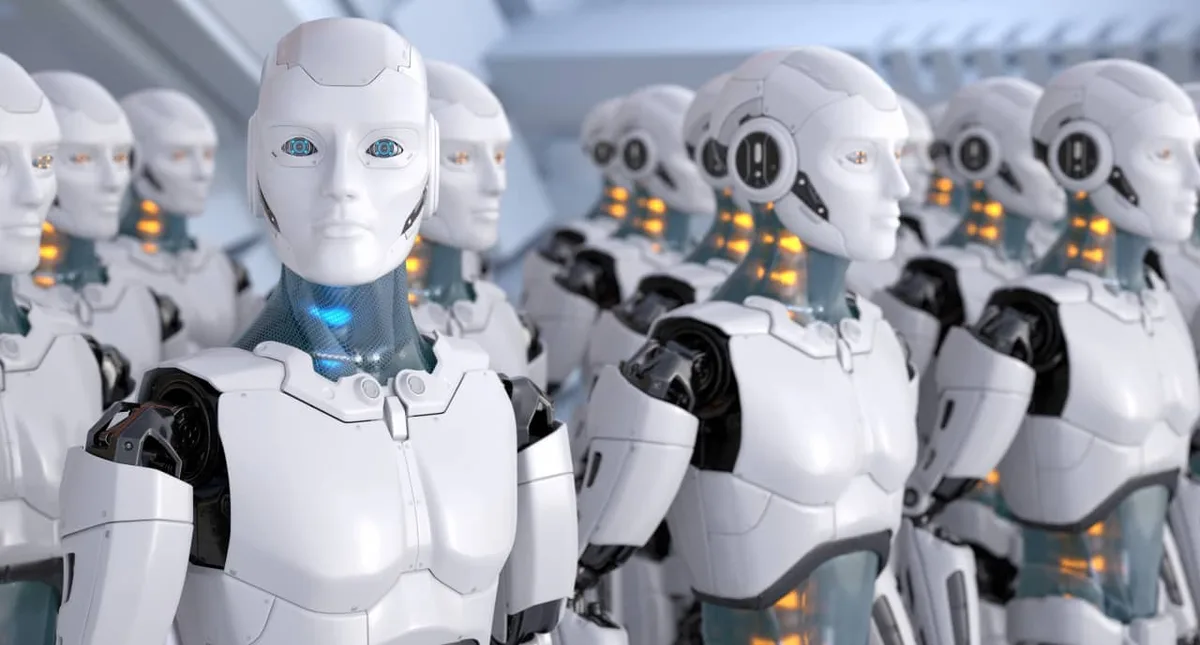
Nvidia CEO Jensen Huang has made no secret of his conviction that humanoid robotics represents one of the most consequential economic shifts of the coming decades, publicly describing it as a "multitrillion-dollar economic opportunity." That kind of language from the architect of the AI chip boom carries weight — Huang has been notably accurate in sizing up transformative technology waves before mainstream capital fully arrives.
The robotics thesis is not simply about machines that walk and talk. It encompasses the full computational stack required to train, simulate, and deploy autonomous physical systems — an area where Nvidia's graphics processing units and its Isaac robotics simulation platform already hold meaningful positioning. In that sense, Huang's enthusiasm is also a product roadmap signal: Nvidia is actively building infrastructure for a world where robots operate at industrial scale.
Read more Binance Expands Into Gold and Silver Options Trading →
For investors, the instinct to simply buy Nvidia shares as a robotics proxy may be logical but incomplete. The more nuanced opportunity, according to MarketWatch's analysis, lies in the supply chain and enabling layers that underpin robotics development — components, sensors, software stacks, and specialized manufacturers that could capture significant value as the industry scales, often with less crowded valuations than a mega-cap like Nvidia.
The broader analytical point is one of positioning timing. The humanoid robotics sector is still largely pre-revenue at scale, meaning the investment narrative is running ahead of widespread commercial deployment. That gap between vision and execution is precisely where informed, selective exposure tends to generate asymmetric returns — and where underfollowed enablers historically outperform the headline name once a technology cycle matures.
Continue reading at MarketWatch.com