Oil Prices Drop 2% Amid U.S.-Iran Strikes and War Risk
Fresh U.S. strikes on Iran rattled energy markets Thursday, pushing oil prices down 2% as fears of a broader Middle East conflict resurfaced.
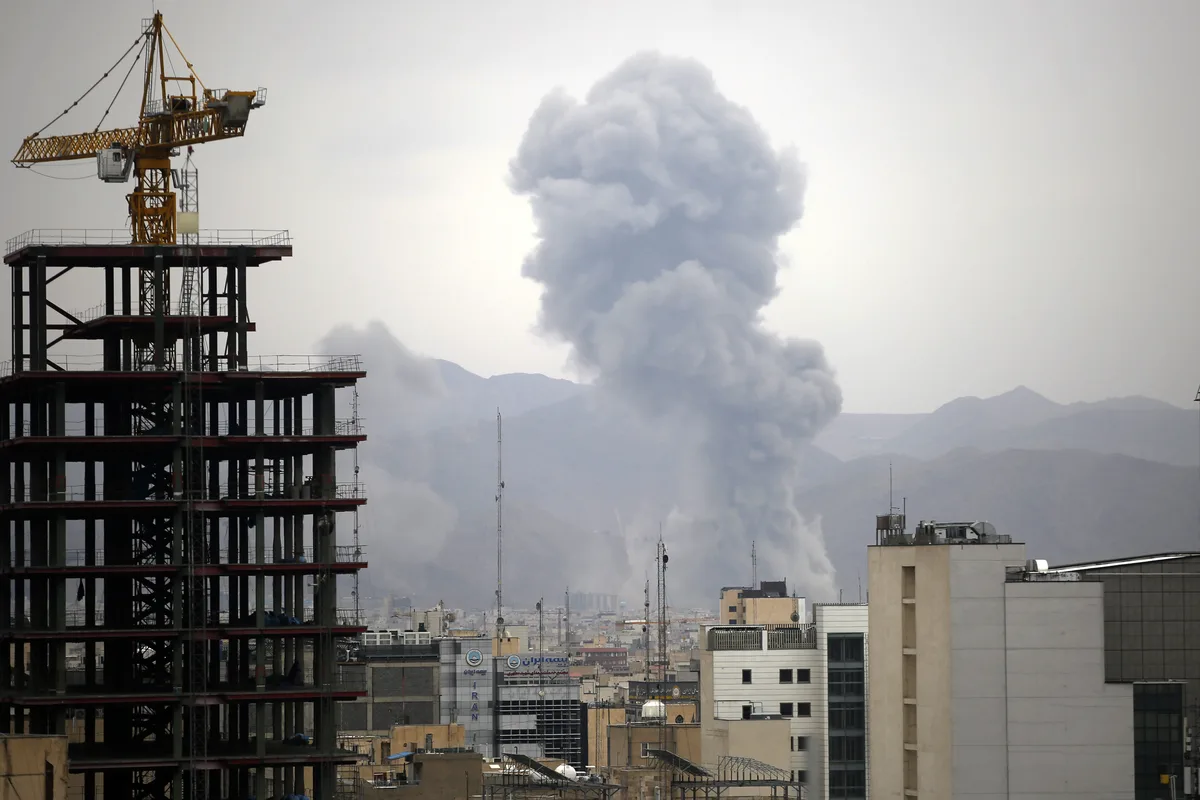
Oil markets absorbed a sharp jolt Thursday as prices fell roughly 2% following renewed U.S. military strikes on Iran — a development that simultaneously stoked fears of regional escalation and, paradoxically, raised hopes that diplomatic intermediaries could pull both nations back from the brink of open conflict. The dual signals left traders navigating a market defined by acute geopolitical uncertainty.
The price decline may appear counterintuitive at first glance. Conventional market logic holds that military action in the Middle East should push oil prices higher, given the region's outsized role in global energy supply chains. But markets are increasingly pricing in the possibility that active mediation efforts could contain the conflict, reducing the probability of a worst-case scenario that would meaningfully disrupt crude flows.
Read more Binance Expands Into Gold and Silver Options Trading →
That calculus is fragile, however. The Strait of Hormuz — through which a significant share of the world's seaborne oil transits — remains a critical chokepoint in any scenario involving Iran. Any escalation that threatens that corridor could rapidly reverse Thursday's price movement and send benchmarks sharply higher. The current dip, in that context, reflects cautious optimism rather than genuine de-escalation.
The broader significance of Thursday's price action lies in what it reveals about how energy markets are interpreting the geopolitical moment: not as the opening of a sustained conflict, but as a high-stakes negotiation playing out in real time. Whether mediators can sustain that narrative will likely determine where oil prices head in the near term.
Continue reading at US Top News and Analysis.