Oil Surges as Trump Restores Iran Sanctions, Markets Shift
WTI crude jumped $3.45 as the Treasury revoked an Iran oil sanctions waiver, while AI stocks stumbled and inflation expectations climbed.
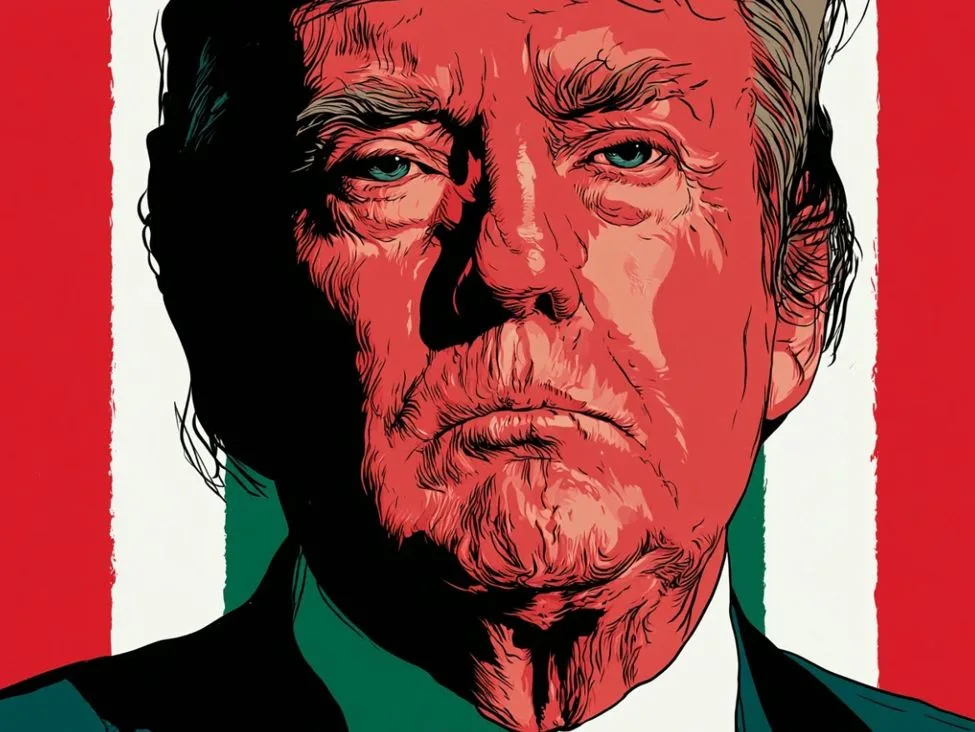
A single policy move from Washington reshaped energy markets Monday: the U.S. Treasury revoked its June 21 waiver on Iran oil sanctions, sending West Texas Intermediate crude up $3.45 to $72.00 a barrel by the close of New York trading. The move signals growing strain in negotiations between the two countries, with both sides apparently unable to enforce the terms of a memorandum of understanding reached earlier. A large convoy of Japanese vessels had already exited through the Iran corridor — among the last stranded oil shipments to clear — leaving the market to reckon with tighter supply and an unclear diplomatic path forward.
The oil rally was not immediate. An earlier Iranian attack on tankers had drawn only a modest 80-cent response in the morning session, but bids accumulated through the New York afternoon before the sanctions news broke and accelerated the move. Treasury yields followed crude higher, rising 7 basis points to 4.55% on the 10-year note, and the U.S. dollar edged up modestly. Gold, meanwhile, fell $49 to $4,114 — a notable reversal for the safe-haven metal on a day defined by geopolitical tension.
Read more Binance Expands Into Gold and Silver Options Trading →
Equity markets told a more complicated story. The S&P 500 slid 0.4%, but the headline figure obscured a sharper rotation beneath the surface. Semiconductor and AI-linked names fell as much as 10% in early trading, largely wiping out the gains accumulated during June's AI-driven rally. The volatile two-way price action in those names may suggest that the current phase of market enthusiasm around artificial intelligence is losing momentum, or at minimum entering a consolidation period.
On the economic data front, the New York Fed's consumer survey introduced a note of concern: one-year inflation expectations rose to their highest level since 2023, even as respondents anticipated lower oil prices. That divergence implies price pressures are broadening beyond energy — a development that complicates the Federal Reserve's calculus. Fed President John Williams offered little new guidance, reiterating a view of steady, trend-like economic growth. Trade data brought a modest positive surprise, with the U.S. trade deficit coming in at $77.6 billion, slightly better than the $78.5 billion forecast, while Canada posted a stronger-than-expected May trade surplus of $4.24 billion.
Continue reading at Forexlive.