Oman's Strait of Hormuz Fee Talks Unsettle Oil Markets
Oman is leveraging strategic ambiguity in fee negotiations over the Strait of Hormuz, raising legal and energy market concerns.
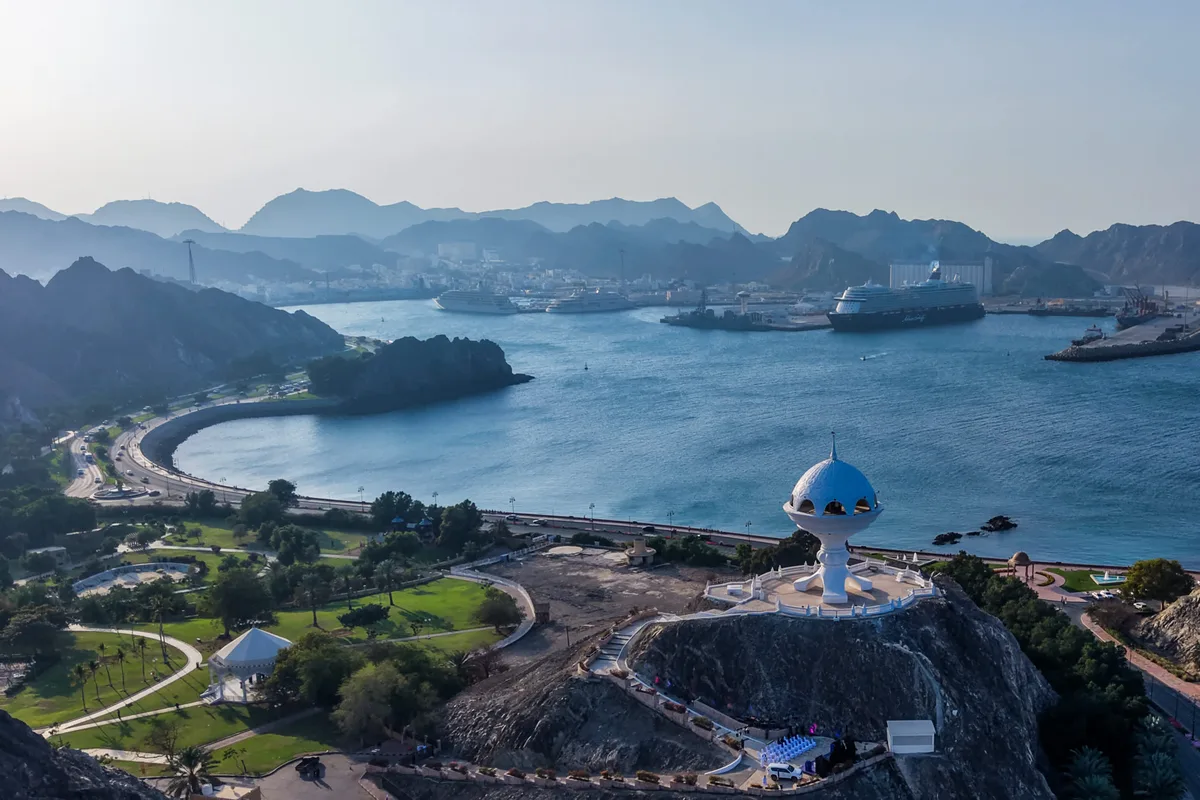
Oman has placed itself at the center of one of the most consequential diplomatic puzzles in global energy, as discussions surrounding potential transit fees on the Strait of Hormuz draw scrutiny from legal experts, oil traders, and foreign governments alike. The sultanate's deliberate use of strategic ambiguity — saying enough to signal intent, but little enough to avoid binding commitments — has created an unusual zone of uncertainty that markets are struggling to price in.
The Strait of Hormuz is the world's single most critical oil chokepoint, with roughly one-fifth of global petroleum supply passing through its narrow waters each day. Any credible move toward imposing transit fees would represent a fundamental challenge to long-established norms of freedom of navigation, potentially triggering disputes under international maritime law and complicating relationships with major energy-importing nations across Asia, Europe, and North America.
Read more Binance Expands Into Gold and Silver Options Trading →
What makes Oman's position particularly delicate is the country's historic role as a quiet mediator in a volatile region. Muscat has long maintained working relationships with Tehran, Washington, and Gulf neighbors simultaneously — a balancing act that has given it unusual diplomatic reach. By floating the fee concept without fully committing to it, Oman appears to be testing the tolerance of major stakeholders while preserving room to retreat without a formal policy reversal.
For oil markets, the ambiguity itself functions as a risk premium generator. Traders typically respond to uncertainty by building precautionary buffers into pricing, and a sustained cloud over Hormuz transit rules could nudge benchmark crude prices upward even absent any concrete policy change. Analysts describe this dynamic as a "blind spot" — a scenario that is neither fully credible nor fully dismissible, making it difficult to hedge against with precision.
The situation underscores a broader truth about small-state leverage in global commodity systems: a nation with geographic relevance can exercise outsized influence simply by raising questions it has no immediate obligation to answer. Whether Oman ultimately pursues formalized fees or allows the conversation to quietly fade may depend as much on the diplomatic responses it receives as on any domestic policy calculus. Continue reading at US Top News and Analysis.