OpenAI Plans Public Release of GPT-5.6 With New AI Models
OpenAI moves to publicly release GPT-5.6 as the AI race intensifies, while rival Anthropic recently resolved a standoff with the government.
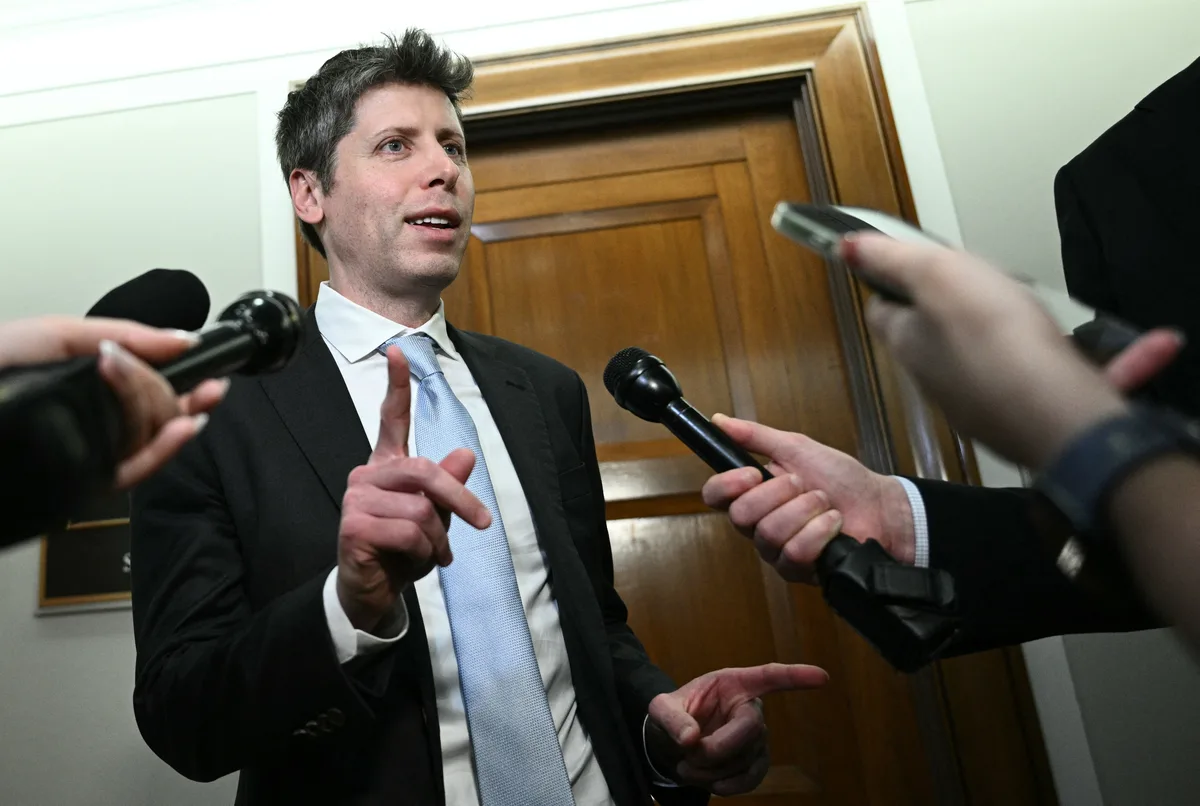
OpenAI is preparing to publicly release GPT-5.6, its latest large language model, alongside a new suite of conversational AI tools — a move that signals the company's intent to maintain its competitive edge in an increasingly crowded artificial intelligence landscape.
The announcement comes at a pivotal moment for the broader AI industry. Anthropic, widely considered OpenAI's most direct rival in the frontier model space, recently regained access to its latest models after a prolonged dispute with the government, the nature of which underscores the growing regulatory scrutiny facing AI developers across the sector.
Read more Taco Bell Cyclospora Outbreak Clouds Yum Brands Earnings Outlook →
The near-simultaneous moves by the two leading AI labs reflect a deepening arms race in generative AI, where the pace of model releases has accelerated sharply. Each new iteration brings expanded capabilities — particularly in conversational reasoning — that have direct implications for enterprise adoption, consumer applications, and national competitiveness in the technology domain.
For OpenAI, making GPT-5.6 broadly available to the public rather than restricting it to API partners or enterprise clients could be a deliberate strategy to widen its user base and gather real-world feedback at scale, both of which have historically informed subsequent model improvements. The rollout of dedicated conversational AI models alongside the flagship release also suggests OpenAI is targeting specific use cases — customer service, productivity tools, and ambient computing among them — rather than deploying a single general-purpose system.
As Washington continues to wrestle with how to govern advanced AI systems, the sequence of events at both OpenAI and Anthropic offers an early preview of how model availability may increasingly become subject to policy pressure as well as market competition. Continue reading at US Top News and Analysis.