Overlooked ETF Trades Could Outperform AI Stocks in Six Months
One strategist sees opportunity in laggard sectors as AI-driven trades show signs of fatigue and rotation beckons.
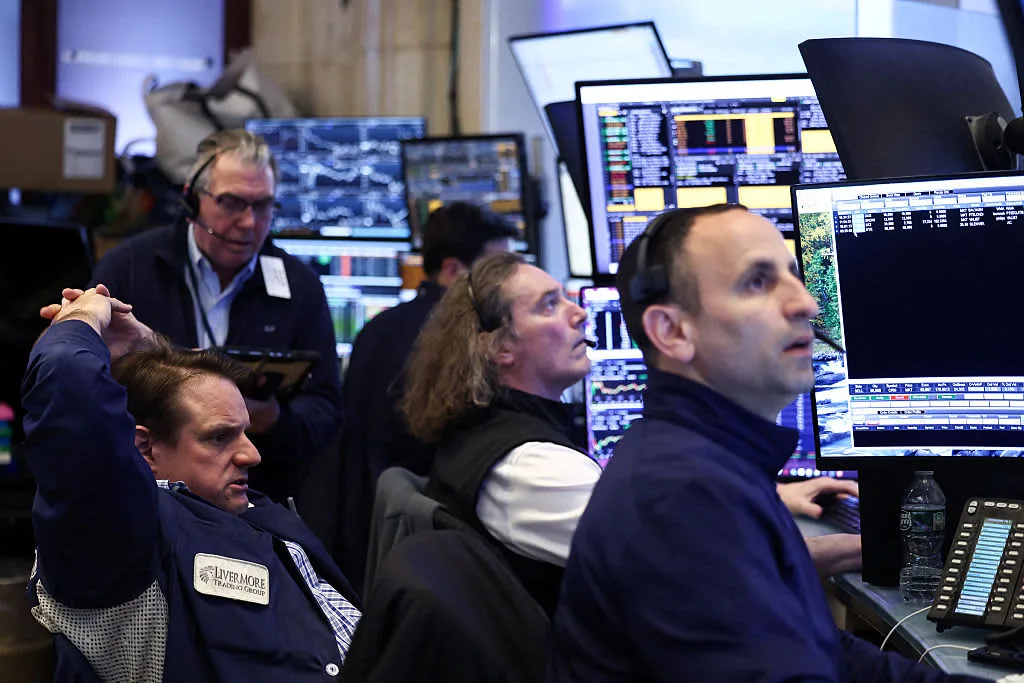
As artificial intelligence stocks have dominated headlines and portfolio returns over the past two years, a growing chorus of market strategists is beginning to ask a pointed question: what comes next? ETF Action's Mike Akins is among those making the case that the answer lies in the market's most overlooked corners — the sectors and asset groups that AI enthusiasm left behind.
Akins is actively encouraging investors to increase their exposure to underperforming segments of the market, arguing that the next six months could see meaningful mean reversion. The logic is straightforward: when a narrow cohort of stocks absorbs the bulk of capital flows, the rest of the market tends to trade at a relative discount, creating a setup that patient, rotation-minded investors can exploit.
Read more Binance Expands Into Gold and Silver Options Trading →
The framing matters here. This isn't a call to abandon technology or bet against AI's long-term structural growth story. Rather, it reflects a tactical view that valuations in laggard groups have compressed to levels where the risk-reward balance has tilted favorably. In a market where sentiment can shift quickly, under-owned trades often move fast once institutional money begins to rotate.
For retail and institutional investors alike, the practical challenge is identifying which underperforming ETF categories carry genuine fundamental support versus those that lagged for legitimate structural reasons. Not every overlooked sector deserves a second look — but Akins' broader point, that concentration risk in AI-adjacent names has built up to a degree that warrants rebalancing, is one that portfolio managers are increasingly hard to dismiss.
The six-month window Akins highlights is notable precisely because it aligns with typical mid-cycle repositioning patterns, where early-year momentum trades give way to broader participation. Whether that broadening materializes will depend heavily on macro conditions, earnings delivery, and the durability of AI capital spending. Continue reading at US Top News and Analysis.