Palo Alto CEO: AI Token Costs Must Drop 90% for Broad Adoption
Nikesh Arora warns that soaring token costs threaten to block enterprise AI adoption unless pricing falls dramatically.
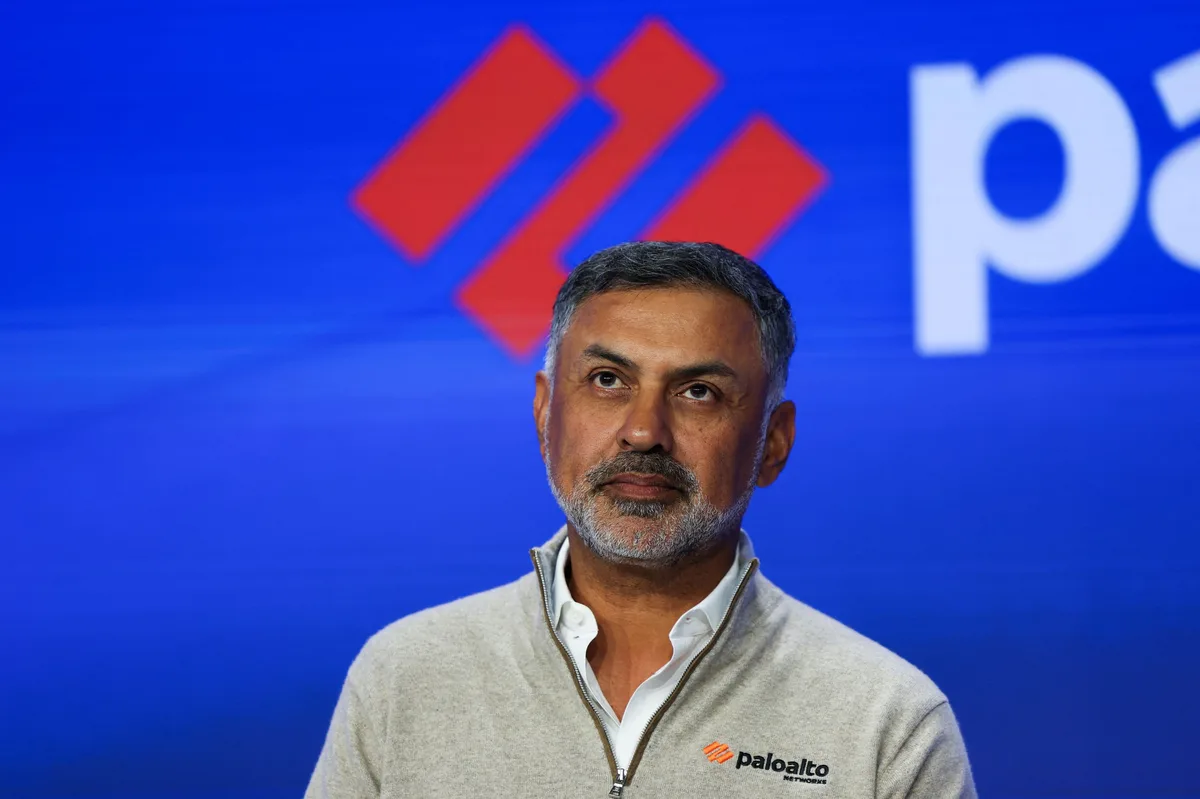
Palo Alto Networks CEO Nikesh Arora is raising a pointed alarm about one of the less-discussed barriers to widespread artificial intelligence deployment: the cost of tokens. Arora argued that AI pricing must fall by as much as 90 percent before businesses can realistically integrate the technology at meaningful scale, a threshold that remains far out of reach for many enterprises today.
The concern cuts to a structural tension at the heart of the current AI boom. While AI capabilities have advanced rapidly, the economics of running large language models — measured in per-token costs each time a query is processed — have not kept pace with enterprise budget realities. For companies running thousands or millions of AI-assisted transactions daily, those costs compound quickly, making broad deployment financially prohibitive.
Read more Taco Bell Cyclospora Outbreak Clouds Yum Brands Earnings Outlook →
Arora's warning carries particular weight coming from the head of a major cybersecurity firm that has been aggressively incorporating AI into its own product portfolio. If a company as well-resourced as Palo Alto Networks is feeling the pressure of elevated token pricing, the implication is that smaller businesses face an even steeper climb toward meaningful AI adoption.
The broader significance of this critique is its timing. AI vendors and hyperscalers have been marketing generative AI as a transformative, near-term necessity for enterprise competitiveness. Arora's comments serve as a corrective, suggesting that the gap between AI's theoretical promise and its practical economics is wider than the industry narrative often acknowledges. Cost compression — whether through model efficiency, hardware improvements, or competitive pricing pressure — will likely be a defining factor in determining how quickly AI moves from pilot projects to core business infrastructure.
Continue reading at US Top News and Analysis.