Record Beef Prices Haven't Dented Americans' Steak Habit
Steak prices have hit historic highs, yet consumer demand remains resilient as Americans treat beef as an affordable luxury worth prioritizing.
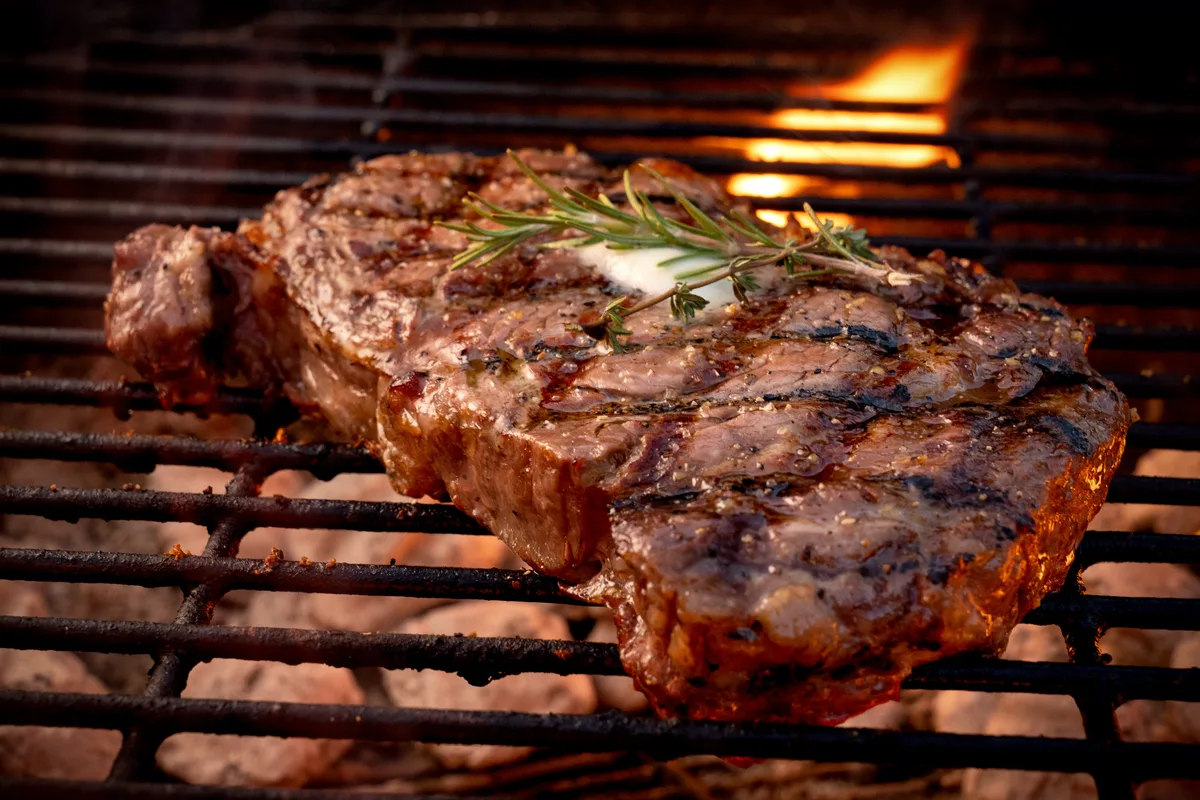
Beef prices in the United States have climbed to record levels, yet something counterintuitive is happening at the checkout counter and the dinner table: demand is holding firm. Rather than trading down to chicken or plant-based alternatives, American consumers are largely absorbing the sticker shock and continuing to buy steak — a behavioral pattern that reveals as much about psychology as it does about economics.
The key explanatory frame here is the concept of the "affordable luxury." When budgets tighten broadly, consumers tend to consolidate their indulgences rather than eliminate them entirely. A premium cut of beef, even at elevated prices, remains far cheaper than a restaurant meal or a weekend getaway. In that context, a well-marbled ribeye becomes a defensible household splurge — something meaningful that fits within a constrained budget.
Read more Fed Expected to Hold Rates Steady: What It Means for You →
This dynamic also reflects how Americans are reshaping spending around occasion-based consumption. Rather than buying steak routinely, many households are reserving it for weekends, celebrations, or family gatherings, effectively treating it as a semi-ceremonial purchase. That kind of demand is stickier than everyday consumption because it is emotionally anchored, not just price-driven.
The resilience of beef demand amid record prices challenges a straightforward reading of consumer price sensitivity. It suggests that for certain culturally embedded foods, the traditional demand curve bends. Steak occupies a symbolic role in American food culture — associated with prosperity, celebration, and comfort — that insulates it, at least partially, from the substitution effects that economists would ordinarily expect at these price points.
Whether this demand durability can persist if prices climb further or if a broader economic slowdown erodes household budgets remains an open question. For now, the data point to a consumer who is stretched but selective — cutting back in some categories while fiercely protecting a handful of meaningful indulgences. Continue reading at US Top News and Analysis.