Ryanair Profit Falls 34% as Middle East Tensions Rattle Bookings
Ryanair's Q1 earnings dropped sharply amid Iran-related uncertainty, yet the carrier insists underlying travel demand remains intact.
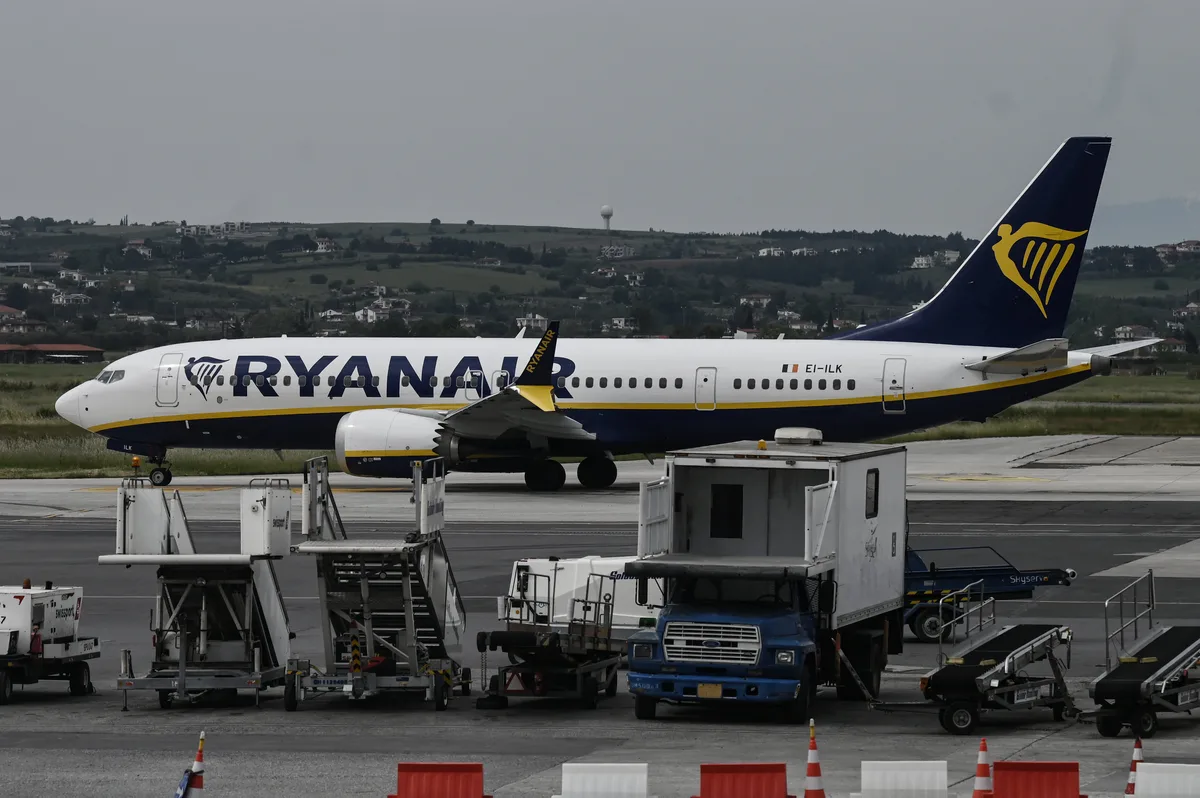
Europe's largest low-cost carrier reported a steep 34% decline in first-quarter profit, a result the company attributed directly to consumer hesitation triggered by escalating conflict involving Iran and broader Middle East instability. The figures underscore how geopolitical shocks — even when physically distant from a carrier's core European routes — can rapidly suppress the forward booking behavior that budget airlines depend on to fill planes and price seats efficiently.
Despite the earnings hit, Ryanair pushed back against any narrative of a structural demand collapse. Company leadership stressed there is "no shortage" of travelers, framing the profit drop as a timing issue rather than a sign that Europeans are abandoning leisure travel. The distinction matters: a booking delay is recoverable once uncertainty fades, whereas a genuine demand destruction would signal deeper trouble for the sector's post-pandemic recovery story.
Read more Taco Bell Cyclospora Outbreak Clouds Yum Brands Earnings Outlook →
The airline's candor about a "difficult winter" ahead for struggling carriers, however, suggests the pain is not evenly distributed. Ryanair, with its fortress balance sheet and cost discipline, is far better positioned to weather a soft booking environment than smaller or heavily indebted rivals. For weaker operators, a prolonged period of hesitant consumers and elevated fuel and operating costs could prove existential — setting the stage for further consolidation in European aviation.
The episode is a reminder that the airline industry remains acutely sensitive to news cycles. Budget carriers like Ryanair built their model on high seat turnover and razor-thin margins, which means any friction in the booking funnel — whether from conflict, economic anxiety, or public health concerns — shows up quickly in quarterly results. How fast confidence returns will depend largely on whether the geopolitical situation stabilizes in the months ahead.
Continue reading at US Top News and Analysis