Small-Cap Stocks Emerge as Next Flashpoint for Options Traders
With broader markets in a holding pattern, traders are turning to small-cap stocks as the likely catalyst for the market's next major directional move.
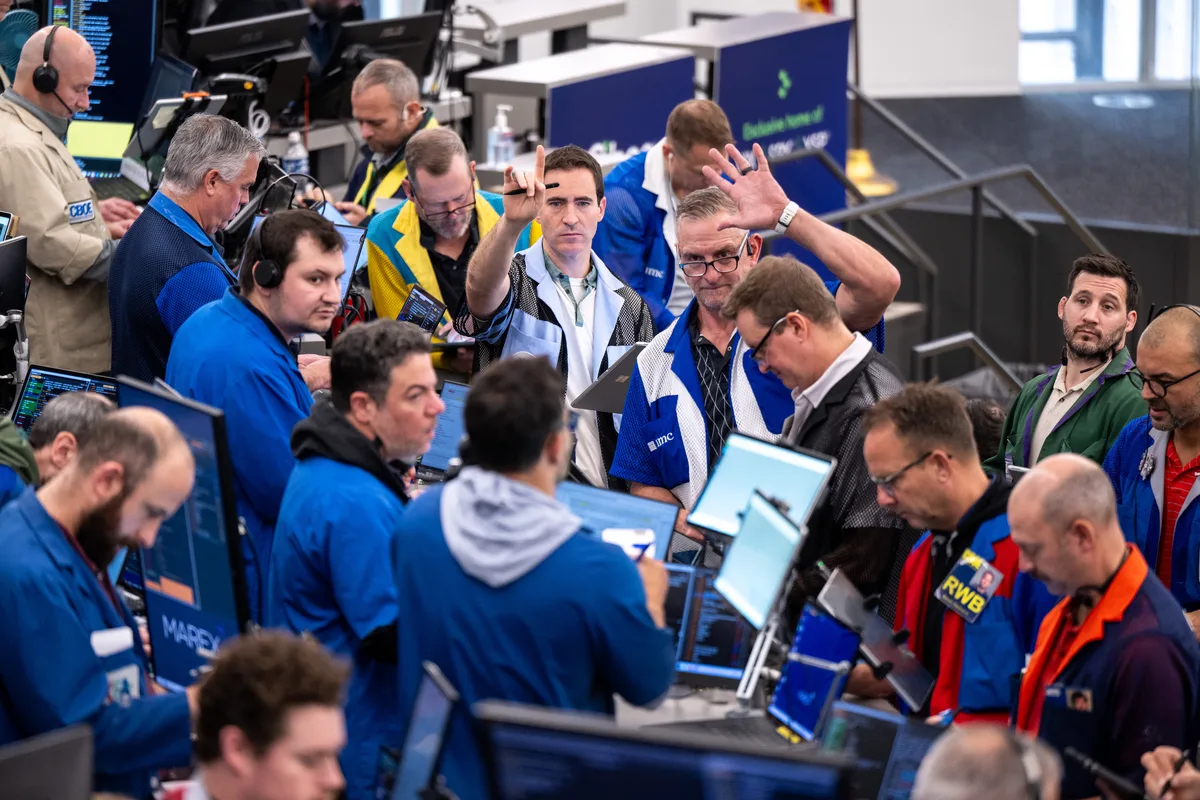
In a market starved of clear momentum signals, sophisticated options traders appear to be placing their bets on small-cap equities as the arena where the next significant price move will unfold. One of the largest single options trades recorded across the entire market on Thursday was tied to small-cap exposure, a signal that at least some major players believe this corner of the market holds the key to what comes next.
Small-cap stocks have long served as a barometer for domestic economic sentiment. Unlike their large-cap counterparts, which often derive substantial revenue from global operations, smaller companies are more tightly bound to U.S. consumer demand, credit conditions, and interest rate expectations. That sensitivity makes them both a higher-risk proposition and a more reactive instrument when the macro environment shifts — precisely the kind of vehicle an action-seeking trader might target during periods of broader market inertia.
Read more Binance Expands Into Gold and Silver Options Trading →
The significance of a single large options trade should not be overstated on its own, but in context it reflects a broader pattern of positioning. When institutional players concentrate unusual volume in a specific segment, it often signals a thesis forming around a near-term catalyst — whether that is an economic data release, a Federal Reserve signal, or a shift in risk appetite. The fact that small caps, rather than technology megacaps or bond proxies, are drawing this attention is itself a meaningful tell about where traders perceive optionality to be mispriced.
For retail investors and market observers, the episode underscores a familiar dynamic: in quiet markets, the search for the next trade gravitates toward segments with the most room to move. Small caps, which have lagged large-cap indices during recent periods of concentrated mega-cap leadership, represent a potential catch-up trade — or a confirmation that underlying economic conditions cannot support a broader rally. Either outcome would resolve a tension that has been building in equity markets for weeks.
Continue reading at US Top News and Analysis.