Soaring Airfares Haven't Slowed Wealthy Travelers This Summer
Airfares are up 25% year over year, yet demand remains resilient — largely because affluent Americans are still spending freely on travel.
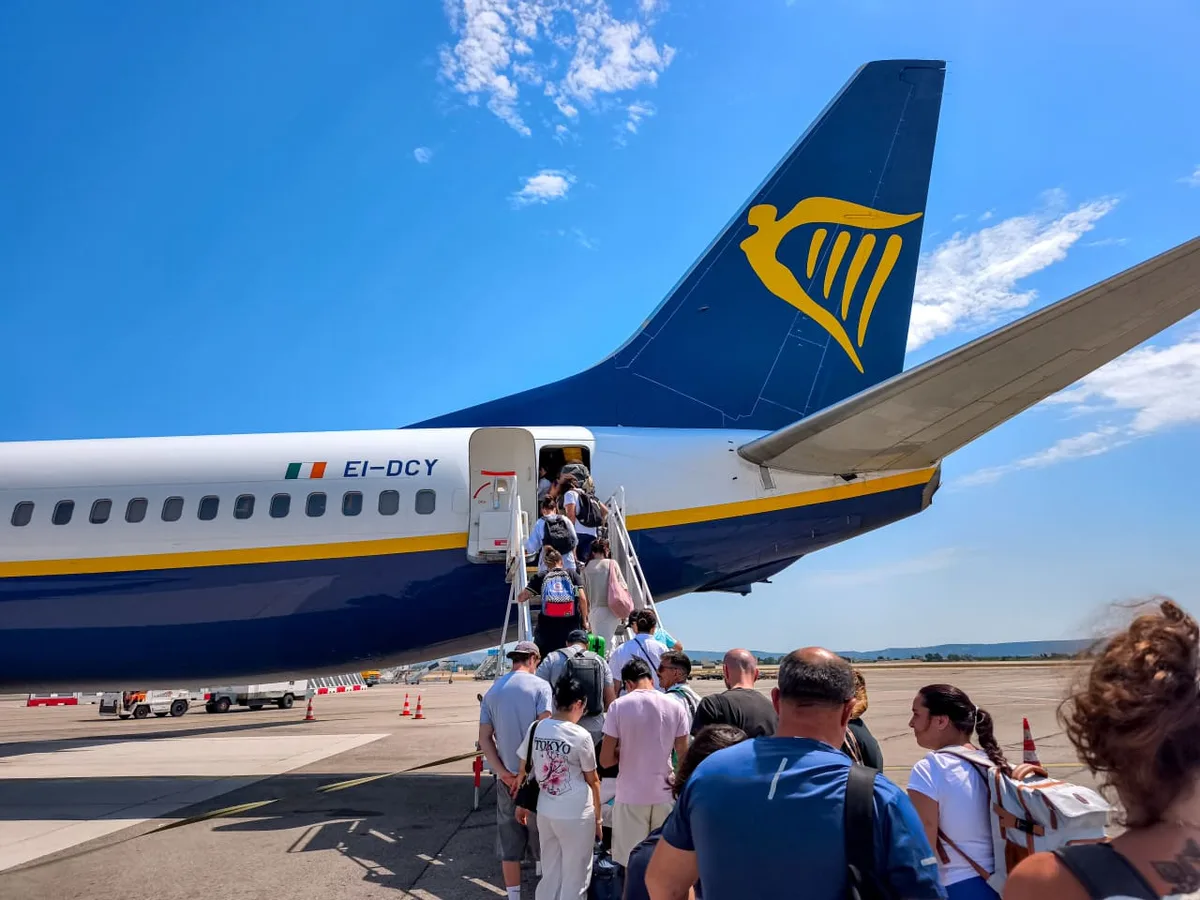
Airfares have climbed roughly 25% compared to a year ago, a jump that would typically signal trouble for an industry dependent on broad consumer participation. Yet this summer, the aviation and travel sectors are holding firm — and the reason appears to be a familiar one in post-pandemic America: the spending habits of higher-income households are doing the heavy lifting.
The dynamic illustrates a broader bifurcation in the U.S. consumer economy. While middle- and lower-income Americans have grown more cautious in the face of persistent inflation and elevated interest rates, wealthier travelers have continued booking flights, filling premium cabins, and keeping load factors healthy enough to sustain elevated ticket prices. That spending resilience, concentrated at the top of the income ladder, is effectively subsidizing the travel industry's strong headline numbers.
Read more Iran Set to Join BRICS Development Bank, Central Bank Says →
For airlines and travel operators, this creates a strategically comfortable — if structurally fragile — situation. Revenue per available seat mile can look robust even if the broader population is priced out of discretionary air travel. The risk, of course, is that demand becomes increasingly tethered to a narrow demographic whose sentiment can shift quickly if equity markets weaken or layoffs hit white-collar sectors more acutely.
The pattern also carries policy and analytical implications. When aggregate travel demand appears healthy, it can obscure how unevenly economic pressures are being distributed across income groups. A 25% fare increase is a manageable inconvenience for a six-figure earner booking a vacation; for a median-wage household, it can be the difference between flying and staying home. That distinction matters for how economists and policymakers read consumer confidence data heading into the fall.
Continue reading at MarketWatch.com