US Budget Deficit Surges in July to a Four-Year High
July's deficit spike pushed the 10-month fiscal-year total to nearly $1.8 trillion, eclipsing the same period last year.
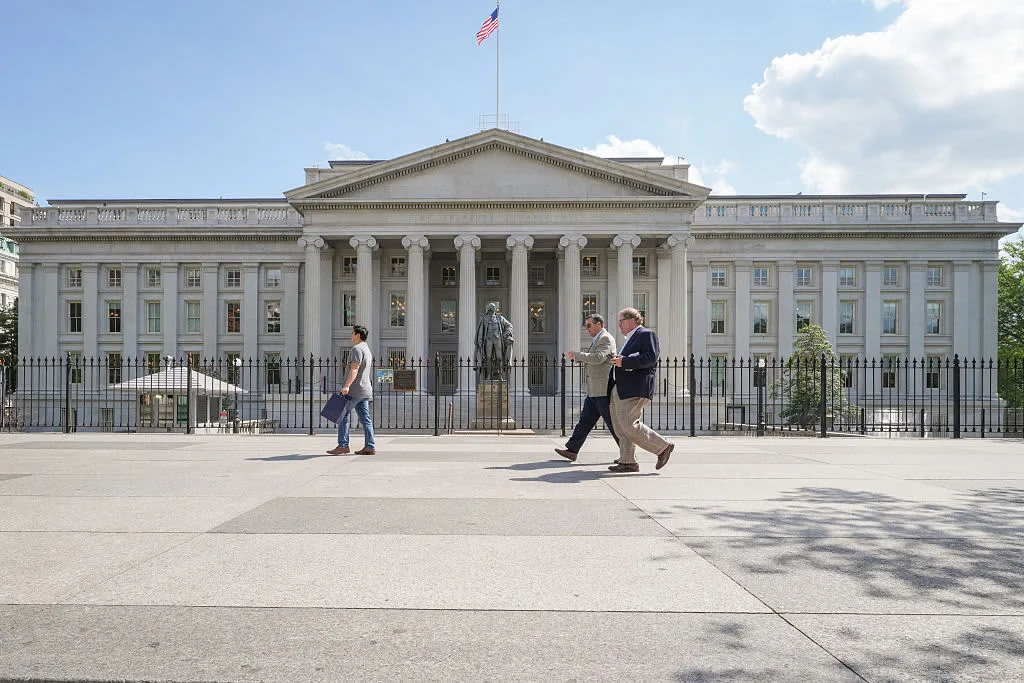
The United States federal budget deficit surged in July to its highest single-month level since March 2021, a milestone that underscores the persistent fiscal pressure weighing on Washington even as policymakers debate spending priorities. The jump was not an isolated data point but part of a broader pattern of deteriorating public finances that has accelerated through the current fiscal year.
Over the first ten months of the fiscal year, cumulative red ink climbed to nearly $1.8 trillion, surpassing the comparable figure from the same period in 2025. That year-over-year deterioration signals that the structural forces driving deficits — rising debt-service costs, mandatory spending growth, and revenue shortfalls — are intensifying rather than stabilizing. When interest payments alone consume an ever-larger share of federal outlays, the room for fiscal maneuver narrows considerably.
Read more Iran Set to Join BRICS Development Bank, Central Bank Says →
The July spike is particularly telling because it arrives outside the typical seasonal windows when deficits tend to widen, such as tax-refund season in spring. A large single-month deficit in midsummer suggests the imbalance between government spending and revenue collection is not merely a timing artifact but a durable feature of the current fiscal trajectory. Analysts watching Treasury issuance and bond markets will note that sustained deficits at this scale require continuous heavy borrowing, which in turn puts upward pressure on yields.
For everyday Americans, the downstream consequences of compounding deficits are diffuse but real: higher long-term interest rates can translate into costlier mortgages, auto loans, and business credit. The political challenge for Congress remains acute — trimming a deficit of this magnitude requires either significant revenue increases, deep spending cuts, or some combination of both, none of which commands easy majorities. The fiscal picture heading into the final stretch of the year offers little indication that the trajectory is set to reverse soon.
Continue reading at US Top News and Analysis.