South Korea's Kospi Enters Bear Market After Sharp Decline
The Kospi dropped over 5% Wednesday, falling 20% from its June peak and entering bear market territory.
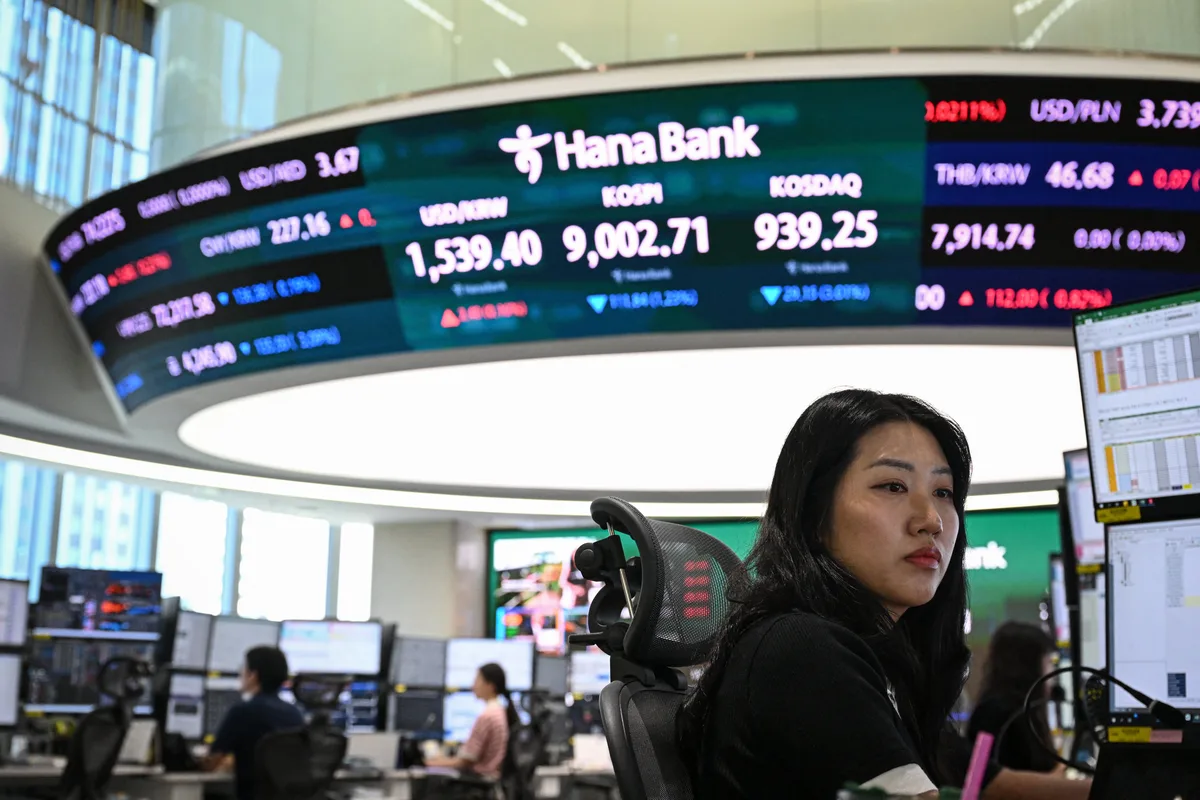
South Korea's benchmark Kospi index slid more than 5% on Wednesday, a single-session loss severe enough to push the index into official bear market territory — defined as a decline of at least 20% from a recent peak. According to data from LSEG, the index has now fallen 20% below the record high it set on June 19, a sobering reversal for what had been one of the world's strongest-performing equity markets entering the year.
The speed of the reversal is what makes this moment analytically striking. A market that earns the title of top global performer typically does so on the back of strong structural tailwinds — export momentum, tech sector confidence, or favorable currency conditions. When those same markets tip into bear territory, it often signals that the underlying drivers have deteriorated faster than investors anticipated, or that external pressures have overwhelmed domestic fundamentals.
Read more Binance Expands Into Gold and Silver Options Trading →
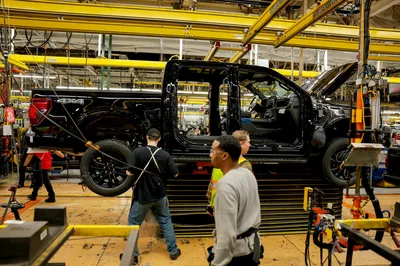
South Korea's economy is deeply export-dependent, with major conglomerates in semiconductors, automotive, and consumer electronics serving as bellwethers for global demand. A sharp drawdown in the Kospi is therefore not merely a domestic story — it can reflect broader anxieties about trade flows, global growth expectations, and risk appetite across emerging Asian markets more generally.
For investors tracking international equity exposure, the Kospi's bear market designation is a reminder that this year's top performers carry concentrated risk. Outperformance can rapidly unwind when sentiment shifts, particularly in markets sensitive to global macro headwinds. The index's trajectory from record high to bear market in a matter of months underscores how quickly the calculus can change in export-driven economies.
Continue reading at US Top News and Analysis.