SpaceX Starlink Threat Drags AT&T and Verizon to Steep Weekly Losses
Investor fears over SpaceX's Starlink expansion hammered AT&T and Verizon shares, marking one of AT&T's worst weekly performances in years.
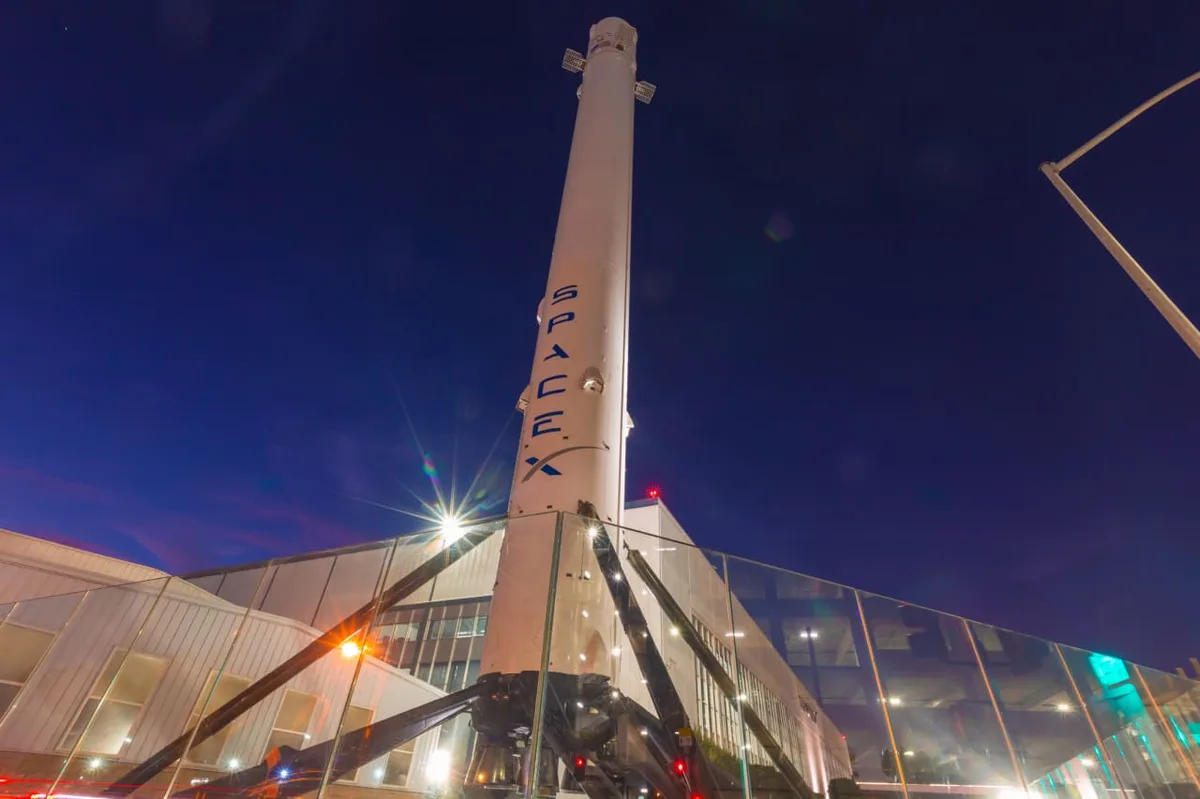
The specter of satellite-based internet competition is no longer a distant concern for traditional telecom investors. Both AT&T and Verizon saw their shares fall sharply this week, with AT&T suffering what analysts are describing as one of its worst weekly performances in years — a stark signal that Wall Street is beginning to price in the disruptive potential of SpaceX's Starlink broadband service.
Starlink, the satellite internet division of Elon Musk's SpaceX, has been steadily expanding its subscriber base and geographic reach, positioning itself as a credible alternative to ground-based internet and wireless providers. For legacy telecoms that have spent billions building out fiber and 5G infrastructure, the prospect of a low-Earth orbit competitor offering connectivity without traditional cable or tower networks represents a structural threat that is difficult to hedge against.
Read more Binance Expands Into Gold and Silver Options Trading →
The market reaction reflects a broader anxiety embedded in telecom valuations: that the sector's historically defensive characteristics — stable dividends, entrenched customer bases, high switching costs — may erode faster than previously anticipated if satellite technology continues maturing. AT&T and Verizon have long been treated as bond proxies by income-seeking investors, making any credible threat to their revenue moats disproportionately punishing to stock prices.
What makes the current sell-off analytically significant is that it appears driven more by sentiment and competitive fear than by any concrete subscriber loss data tied directly to Starlink. That dynamic suggests investors are not waiting for evidence of damage — they are repricing risk preemptively, which can accelerate volatility even when near-term fundamentals remain intact. Whether that repricing proves prescient or premature will depend heavily on the pace of Starlink's consumer adoption and regulatory environment going forward.
Continue reading at MarketWatch.com