States Compete for Jobs as Trump Boosts Defense Spending
A record defense budget request and urgent weapons replenishment are triggering fierce interstate competition for military contracts and manufacturing jobs.
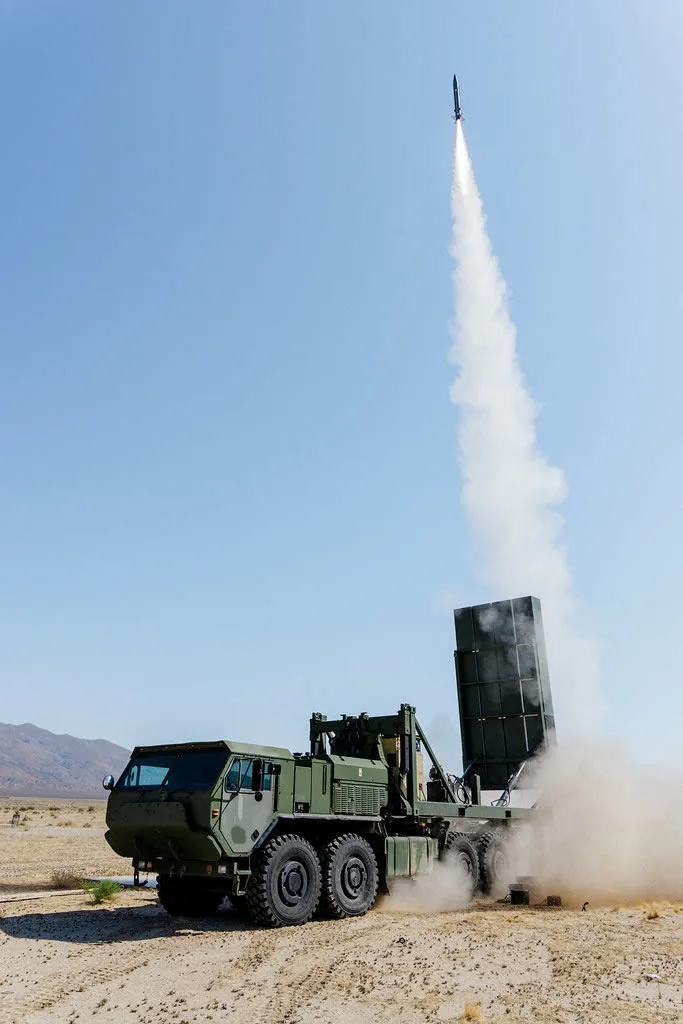
The Trump administration's sweeping defense budget proposal is setting off an economic scramble across the United States, as states position themselves to capture an anticipated surge in military manufacturing contracts. With the Pentagon seeking to rebuild depleted weapons stockpiles — drained in part by aid shipments to conflict zones — and simultaneously invest in next-generation capabilities like hypersonic missiles, the scale of potential industrial activity is drawing aggressive courtship campaigns from governors and economic development agencies nationwide.
At its core, the competition reflects a structural reality of American defense spending: military contracts are not merely national security instruments but powerful regional economic engines. A single major production facility can anchor thousands of direct and indirect jobs, stabilize tax bases, and anchor supply chains across multiple states. When the federal government signals a prolonged period of elevated defense investment, the downstream economic stakes push state officials into an unusually active lobbying posture toward both the Pentagon and prime contractors.
Read more Fed Expected to Hold Rates Steady: What It Means for You →
The push to develop hypersonic weapons — a domain where the U.S. has publicly acknowledged falling behind rivals like China and Russia — adds a particular urgency and prestige dimension to the contest. States with existing aerospace and advanced manufacturing infrastructure, skilled technical workforces, and proximity to military testing ranges hold natural advantages, but even states without deep defense traditions are reconfiguring incentive packages and workforce training programs to compete.
The broader analytical story here is one of industrial policy by proxy. Without a formal national manufacturing strategy, defense appropriations have long served as the de facto mechanism through which Washington directs high-wage industrial employment across the country. A significantly enlarged Pentagon budget, sustained over multiple fiscal years, could reshape regional economies in ways that outlast any single administration — making the current state-level competition a consequential long-term bet on federal priorities.
Continue reading at US Top News and Analysis