Strait of Hormuz Risk Hits 'Severe' as Iran Targets Tankers
Iran's military is threatening ships that bypass its approved northern route, raising the Strait of Hormuz threat level to its highest tier.
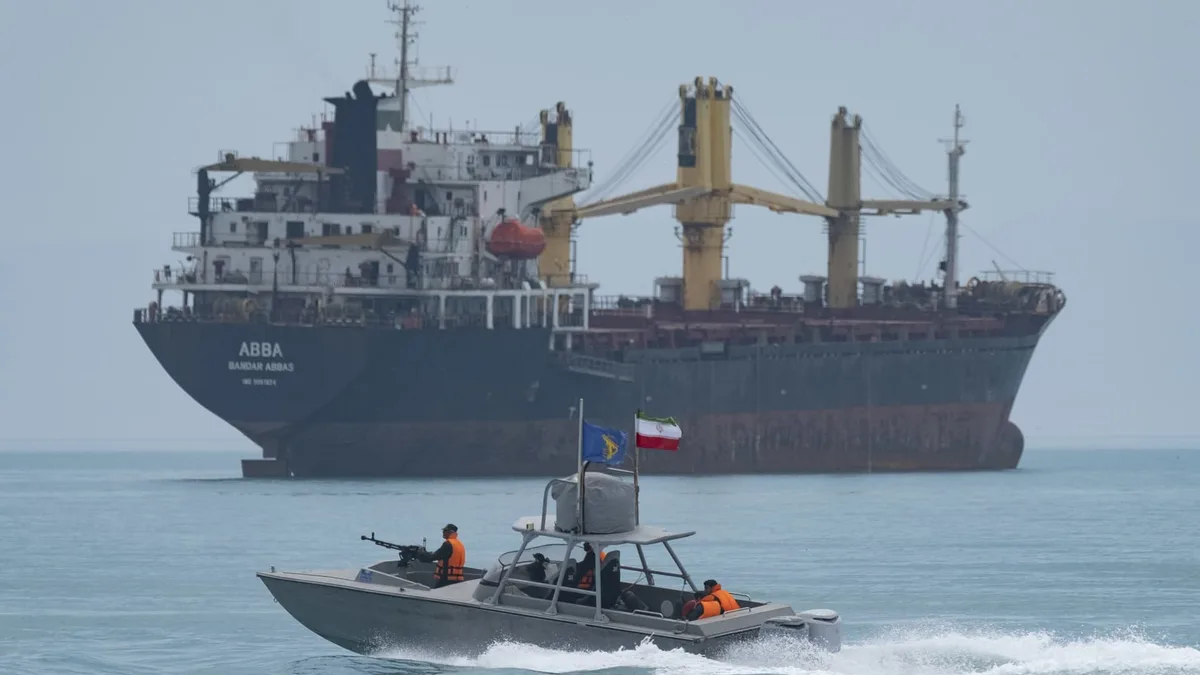
The Strait of Hormuz — the narrow chokepoint through which roughly a fifth of the world's traded oil passes — has been elevated to a 'severe' threat level following a series of Iranian attacks on tankers operating along routes used by the U.S. Navy. The escalation marks a significant hardening of Tehran's posture in one of the most strategically sensitive waterways on the planet.
Iran's military has issued an explicit warning: vessels that do not travel along a northern corridor formally sanctioned by Tehran risk becoming targets. The directive puts commercial shipping operators in an extraordinarily difficult position, effectively forcing them to choose between complying with Iranian demands or risking attack — a dynamic that maritime insurers, naval planners, and energy traders are now urgently reassessing.
Read more Binance Expands Into Gold and Silver Options Trading →
The timing carries obvious geopolitical weight. With diplomatic tensions between Washington and Tehran already running high, Iran's decision to assert territorial and navigational authority over one of the world's busiest energy corridors represents a direct challenge to the freedom-of-navigation principles that the U.S. Navy has long enforced in the region. Any prolonged disruption to tanker traffic through the strait would reverberate quickly through global oil markets, potentially pushing energy prices higher at a moment when inflation remains a persistent concern for Western economies.
Analysts will be watching closely to see whether this posture reflects a deliberate Iranian strategy to gain negotiating leverage or signals a more durable shift in how Tehran intends to control access to the waterway. Either interpretation carries significant implications for regional security architecture and the global energy supply chain. Shipping companies and their insurers are likely to respond with higher war-risk premiums and possible route adjustments in the near term.
Continue reading at CNBC.