Streaming and Gaming Costs Rise, Eroding the Stay-Home Bargain
Price hikes on streaming and gaming have made at-home entertainment far less affordable, challenging the long-held idea that staying in saves money.
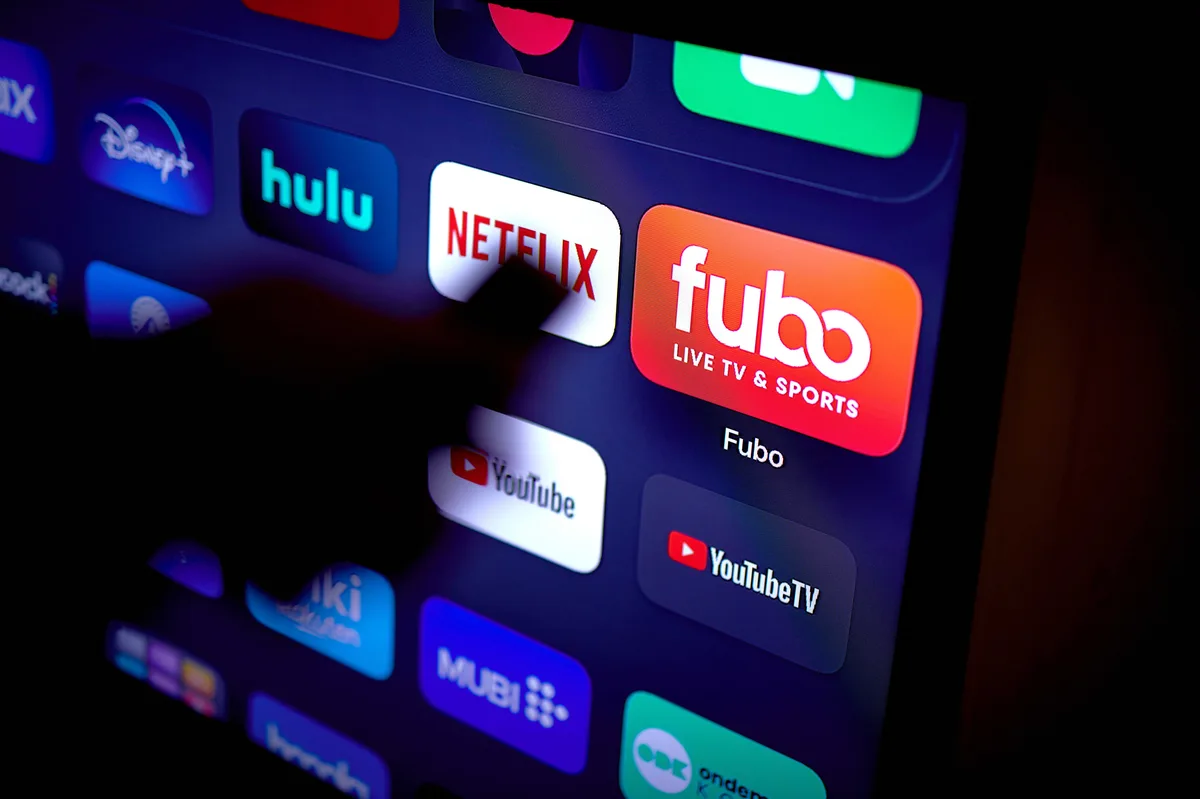
For years, the calculus was simple: skip the night out, fire up a streaming service, and keep your wallet intact. That logic is quietly unraveling. A broader wave of price increases — sometimes called "funflation" — has reached deeply into at-home pastimes, making the couch a less economical refuge than it once was.
Streaming platforms and video game publishers have steadily raised prices, added subscription tiers, and layered on additional fees that compound over time. What began as a pandemic-era convenience — cheap, abundant digital entertainment — has matured into a competitive, monetization-driven industry where consumers routinely face higher recurring costs just to maintain the same experience they enjoyed a few years ago.
Read more Gen X Investors Face Retirement Risk With Dotcom Scars Still Fresh →
The implications extend beyond household budgets. When even the default "cheap" option becomes expensive, it signals a structural shift in how Americans absorb leisure costs. Families that traded restaurant dinners for movie nights at home now find both choices carrying real financial weight. The substitution effect that once cushioned consumers against inflation in entertainment spending is losing its potency.
Analysts tracking consumer sentiment have noted growing frustration with subscription fatigue — the sense that monthly fees for streaming, gaming, and other digital services are multiplying faster than the value they deliver. This pressure is particularly acute for lower- and middle-income households that adopted at-home entertainment as a deliberate cost-cutting strategy, only to see those savings eroded over successive billing cycles.
The "funflation" trend is a reminder that no entertainment category is insulated from broader inflationary forces indefinitely. As the line between affordable and premium blurs, consumers face harder choices about which subscriptions to keep, downgrade, or abandon entirely. Continue reading at US Top News and Analysis.