Tech Drove First-Half Stock Gains, but Global Rivals Outpaced US Giants
US Big Tech posted solid first-half returns, but international tech stocks outperformed their American counterparts despite a late-June selloff.
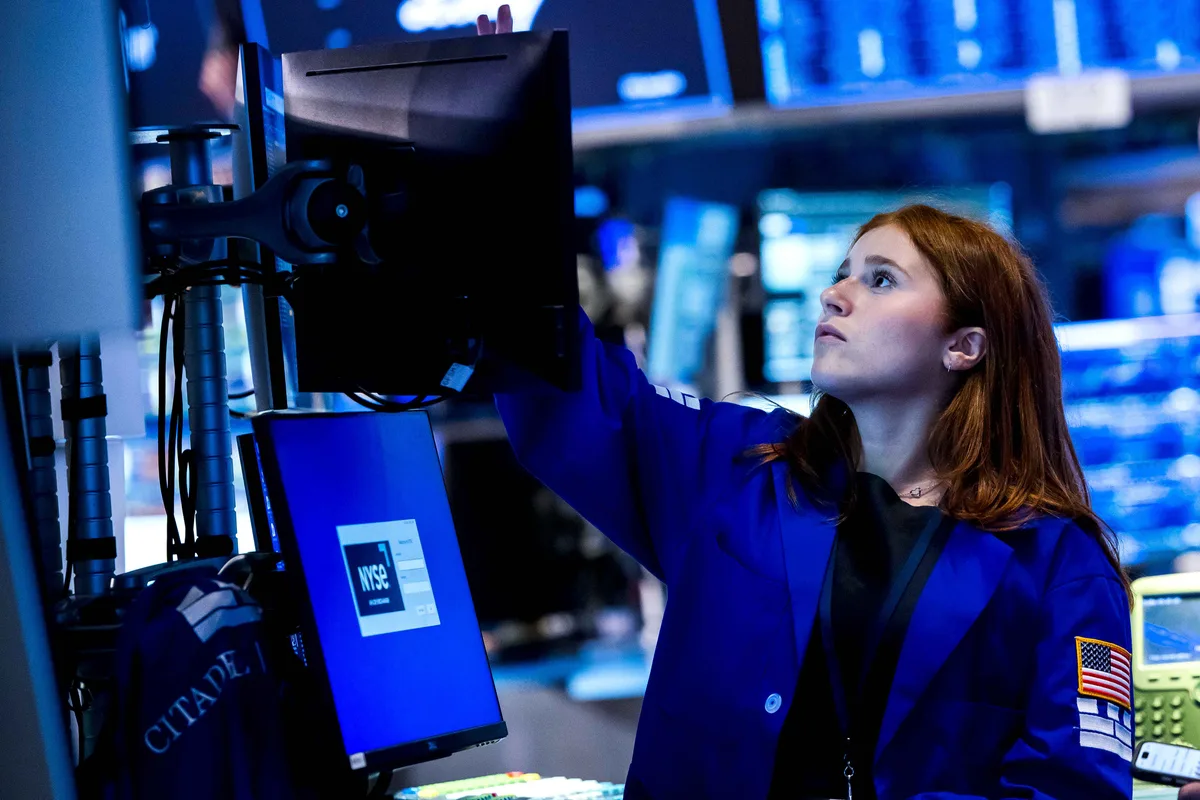
American technology stocks delivered meaningful gains through the first half of the year, cementing their role as the dominant engine of US equity market performance. Yet the headline numbers obscure a more complicated reality: the biggest winners in global tech were not headquartered in Silicon Valley or Seattle, a shift that deserves more attention than it typically receives in US-centric financial coverage.
A sharp sell-off at the end of June tempered what had been an even stronger run for US Big Tech names, shaving returns and raising questions about near-term momentum. That late stumble, however, did not erase the broader advance — it simply made the underperformance relative to international peers more visible. When domestic investors focus narrowly on familiar mega-cap names, they risk missing the fuller picture of where capital is actually being rewarded.
Read more Binance Expands Into Gold and Silver Options Trading →
The outperformance of international tech stocks reflects a convergence of factors that have been building for some time: cheaper valuations relative to US peers, currency dynamics, and growing investor appetite for diversification after years of US market dominance. While the source data does not specify which regions or companies led the charge, the pattern itself is analytically significant — it suggests the post-pandemic concentration of returns in a handful of American names may be broadening.
For investors, the first-half scorecard is a reminder that geographic diversification is not merely a defensive hedge but can be a source of genuine alpha. The assumption that US tech will perpetually lead global markets is increasingly being tested by data, not just theory. How the second half unfolds — particularly if the Federal Reserve's policy trajectory shifts — will determine whether this international outperformance is a durable trend or a temporary rebalancing.
Continue reading at US Top News and Analysis