Trump Claims US Control Over Strait of Hormuz, Seeks Tolls
Trump declared the US is 'taking over' the Strait of Hormuz and suggested collecting tolls for naval protection, rattling oil and currency markets.
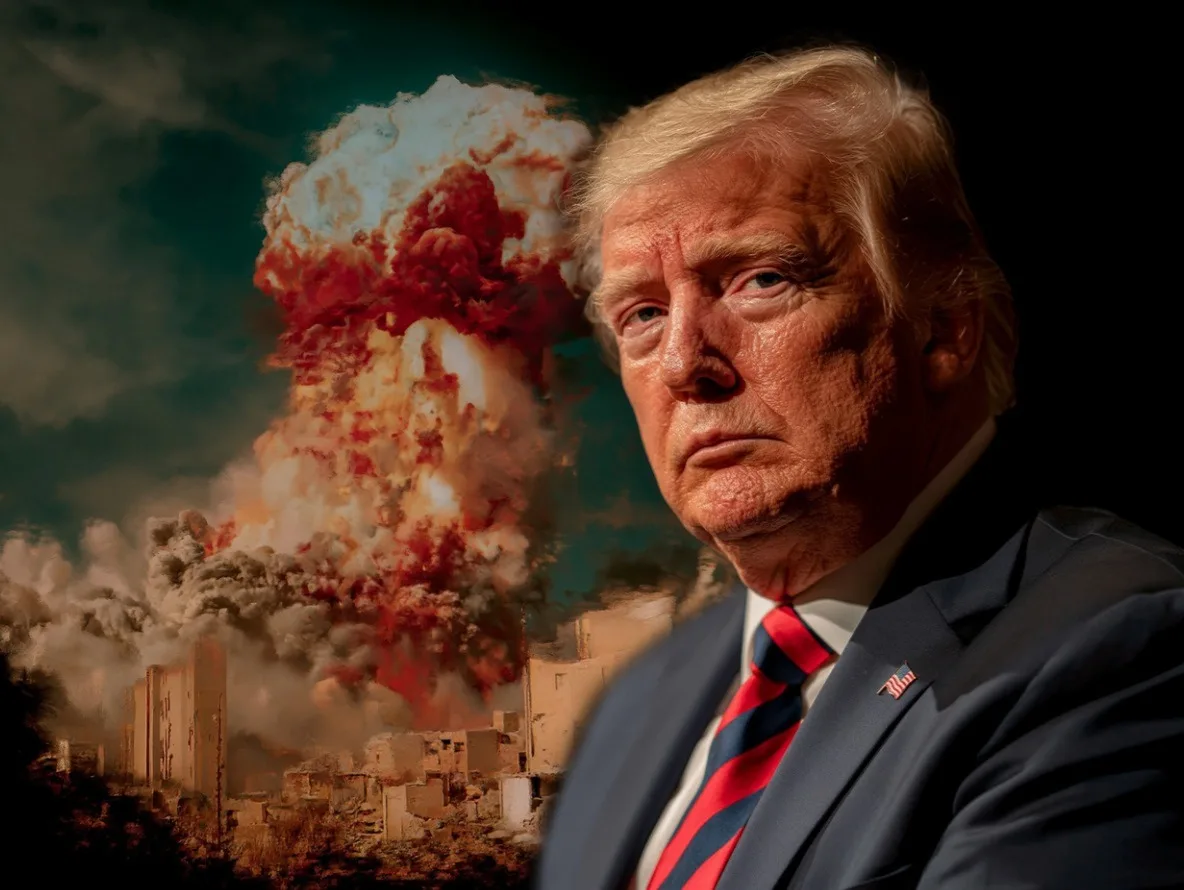
President Trump escalated rhetoric around one of the world's most strategically sensitive waterways on Thursday, declaring that the United States is effectively taking control of the Strait of Hormuz — the narrow Persian Gulf chokepoint through which roughly a fifth of global oil supply flows. The comments mark a sharp intensification of Washington's posture toward Iran following the apparent collapse of diplomatic negotiations, with Trump stating bluntly, "We had a deal and they broke it."
Perhaps most striking was Trump's suggestion that the US intends to collect tolls from vessels transiting the strait under American naval protection. "We're going to get paid for guarding the Strait," he said — a framing that redefines the US military presence there from a public-goods security guarantee into something closer to a commercial arrangement. Whether that idea has any operational or legal framework behind it remains entirely unclear, but the political signal is unmistakable: the administration views its naval commitment in the region as leverage, not charity.
Read more Binance Expands Into Gold and Silver Options Trading →
The underlying strategic question the markets are now pricing is whether Iran retains any meaningful capacity to close or seriously disrupt the strait. Trump's dismissive assessment — "Iran has nothing" — suggests Washington believes Tehran's deterrent power has been degraded, possibly by recent military exchanges. Yet even degraded adversaries can impose costs; the prospect of sustained drone campaigns against commercial shipping would require an open-ended US naval presence that carries its own economic and diplomatic price.
Financial markets responded swiftly to the headlines. WTI crude oil climbed $2.68 to $74.09 per barrel, reflecting both a risk premium on supply disruption fears and uncertainty about the trajectory of US-Iran tensions. Meanwhile, the euro and gold dipped modestly, suggesting some flight toward dollar assets as geopolitical anxiety ticked higher. The moves are preliminary, and traders will be watching closely for any follow-up policy signals or Iranian response before making larger directional bets.
The Strait of Hormuz question is ultimately one of staying power: how long is the US prepared to maintain a combat-ready naval posture in the region if no formal agreement materializes? That calculus will shape both energy markets and broader Middle East diplomacy in the weeks ahead. Continue reading at Forexlive.