Trump Foreign Licensing Revenue Hits $59.5M, Led by Gulf Deals
Gulf developers in the UAE and Qatar account for nearly two-thirds of Trump's foreign licensing fees, raising fresh questions about entanglements.
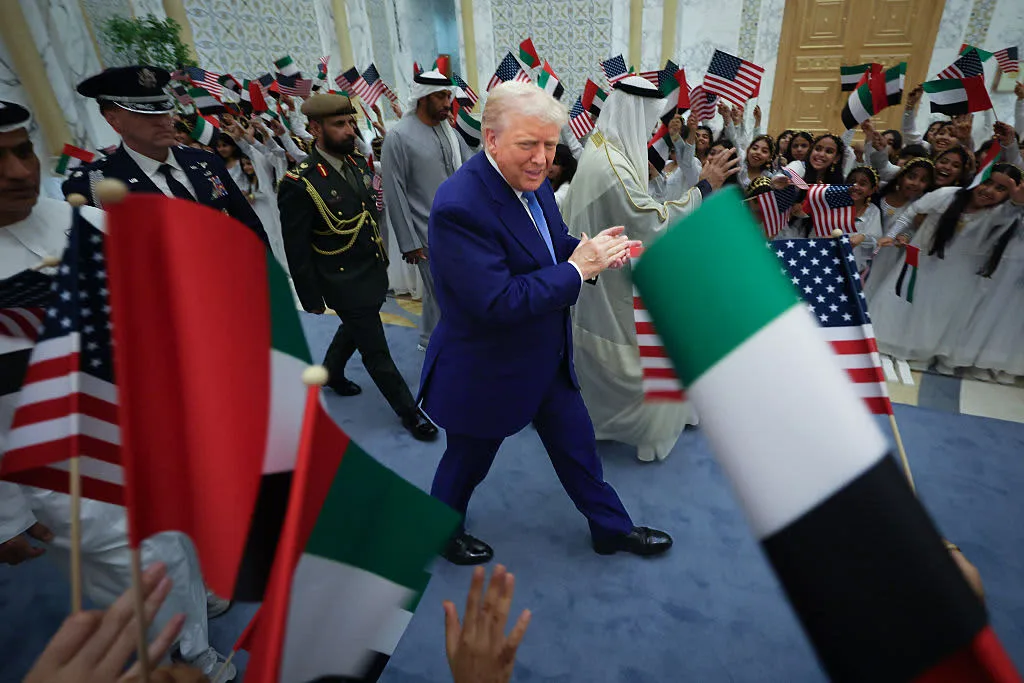
President Donald Trump's foreign licensing business has surged to $59.5 million, with the bulk of that revenue flowing from two Gulf-region developers based in the United Arab Emirates and Qatar. The concentration of income from a pair of Middle Eastern partners underscores how deeply Trump's private business interests remain intertwined with governments and state-linked investors in a diplomatically sensitive region.
Nearly two-thirds of the total foreign licensing fees trace back to those two Gulf developers alone — a striking dependency that analysts say complicates the traditional firewall between presidential conduct and personal enrichment. One of the developers involved is actively pursuing a $20 billion expansion into the United States, a scale of ambition that inevitably puts it within the orbit of federal regulatory and policy decisions.
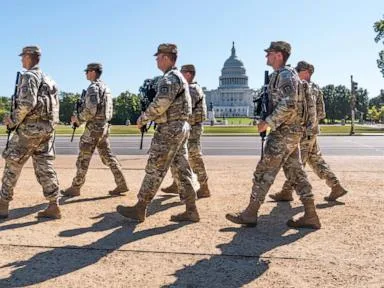
Read more Washington's National Guard Deployment Extended to 2029 →
The arrangement revives long-standing debates about emoluments — constitutional provisions that restrict presidents from accepting financial benefits from foreign states or their proxies. While Trump's team has historically argued that standard commercial transactions fall outside those restrictions, critics contend that licensing deals with entities tied to foreign governments create implicit leverage that is difficult to quantify but impossible to ignore.
What makes the current situation analytically distinct from Trump's first term is the sheer dollar magnitude now on record. A $59.5 million foreign licensing figure, dominated by Gulf sources, represents not a peripheral side interest but a core revenue stream — one that runs parallel to American foreign policy deliberations involving Gulf Cooperation Council nations, arms sales, and regional security architecture.
The convergence of presidential authority and personal financial stakes in the Gulf region warrants sustained scrutiny from ethics watchdogs, congressional oversight committees, and the public alike. Continue reading at US Top News and Analysis.