U.S. and Japan Confirm Joint Yen Intervention, Warn of Further Action
Tokyo and Washington jointly intervened to support the yen, marking a rare coordinated currency move and signaling more action if needed.
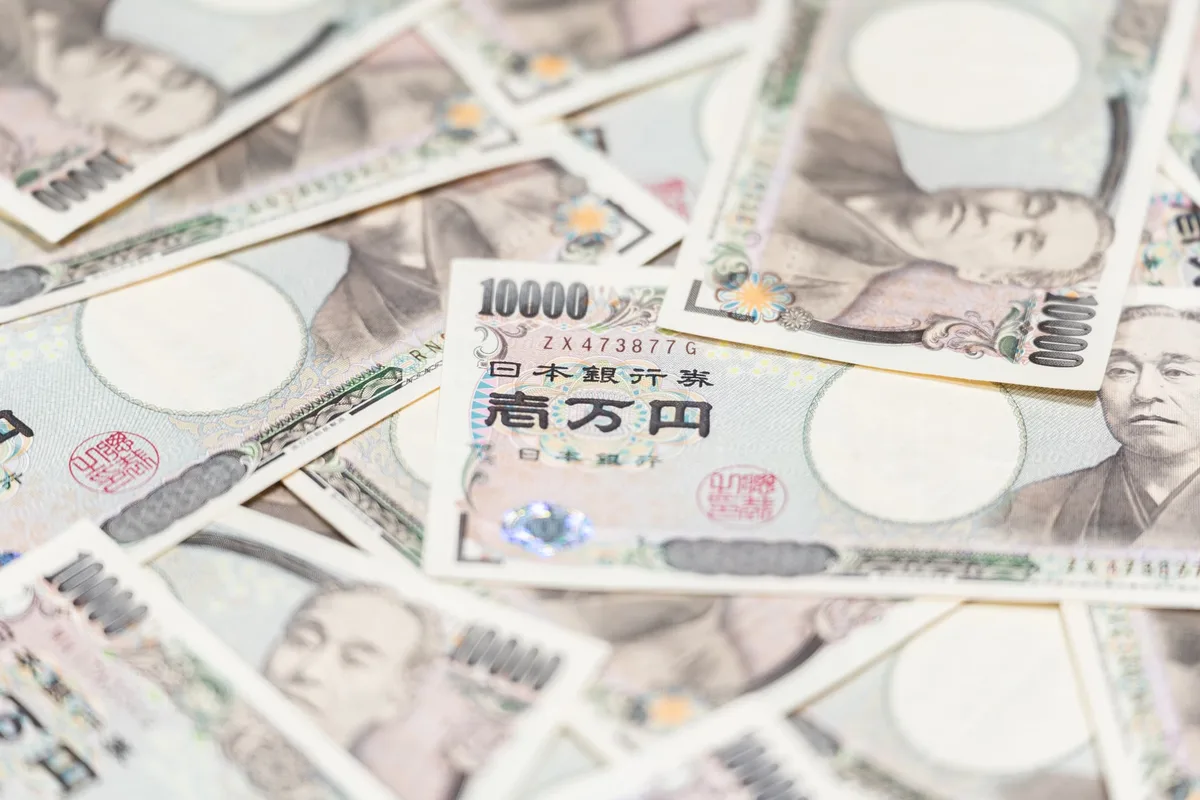
Japan's Finance Ministry confirmed Monday that it had conducted a coordinated yen-buying operation alongside the U.S. Treasury on Friday, a rare instance of bilateral currency intervention that underscores how seriously both governments are treating yen weakness. The public acknowledgment itself carries diplomatic weight — joint interventions involving the United States are uncommon and signal a degree of Washington's buy-in that unilateral Japanese action would not.
Currency interventions of this kind are typically deployed as a last resort when market moves are seen as disorderly or fundamentally disconnected from economic reality. By entering the market together, the U.S. and Japan are sending a coordinated signal to traders that both treasuries are willing to absorb the cost of defending a floor under the yen — a message designed as much for psychology as for price impact.
Read more Microsoft vs. Meta Platforms: Which Magnificent Seven Stock Wins Now? →
The explicit signal of readiness for further intervention is arguably as important as the action itself. Central bank and treasury communications operate on credibility: if markets believe authorities will act repeatedly and at scale, speculative pressure can dissipate without additional spending of foreign reserves. The open-ended warning suggests officials are prepared to sustain that pressure rather than treat Friday's move as a one-time event.
For global markets, a stabilizing yen carries broad implications. Yen weakness has rippled into inflation dynamics in Japan, complicated the Bank of Japan's policy path, and contributed to capital flow distortions across Asian currency markets. A coordinated U.S.-Japan stance introduces a new variable into currency traders' calculus — one that could temper the aggressive yen-short positions that have accumulated in recent months.
Continue reading at US Top News and Analysis.