Why Airfare Keeps Climbing and Shows No Sign of Relief
Surging fuel costs are driving airline ticket prices higher, and structural industry pressures suggest fares will remain elevated.
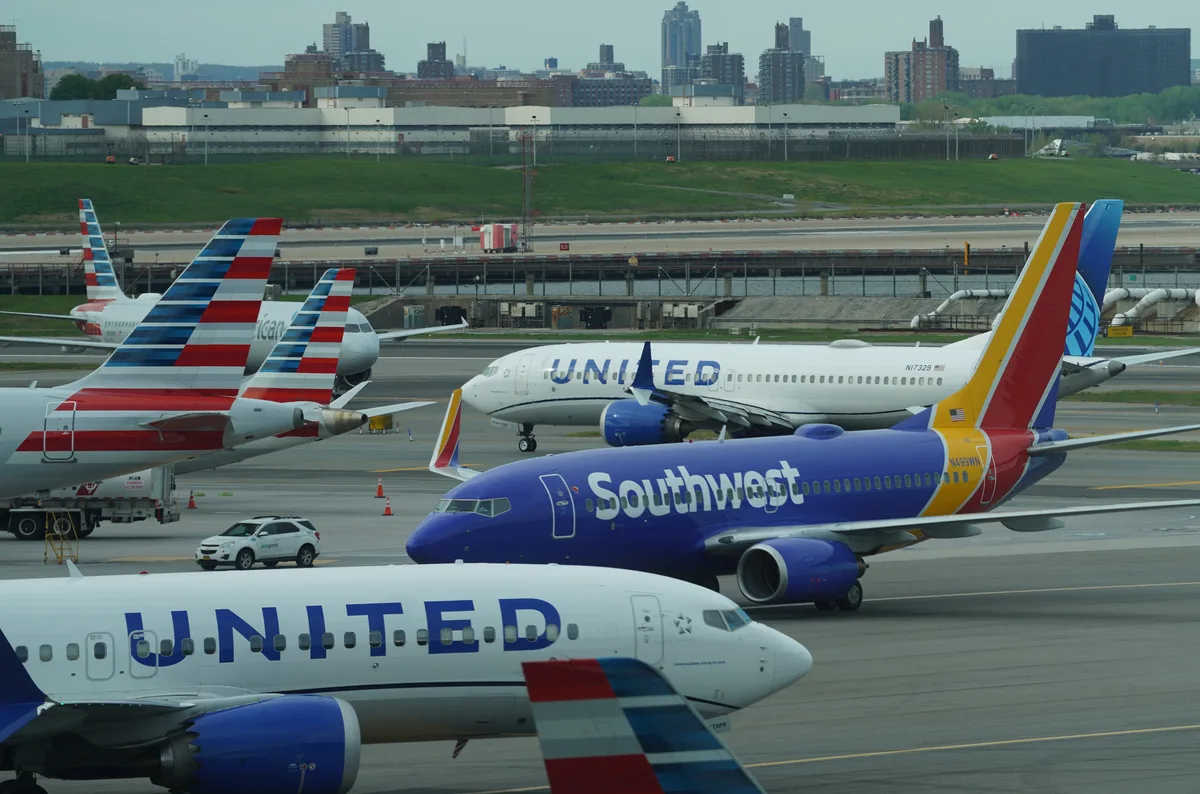
For travelers hoping airfare would return to pre-pandemic norms, the data offers little comfort. Airlines are collectively absorbing billions of dollars in additional fuel costs this year alone, a burden that carriers have little choice but to pass along to passengers in the form of higher ticket prices. The math is straightforward: fuel is among the single largest operating expenses for any airline, and when that cost spikes, margins compress almost immediately.
What makes the current situation structurally different from past price cycles is the convergence of multiple pressures happening simultaneously. Even as fuel costs dominate the conversation, airlines are also navigating tighter labor markets, elevated maintenance expenses, and a constrained aircraft supply chain that limits their ability to rapidly add capacity. When supply cannot keep pace with demand, prices do not fall — they hold or rise further.
Read more Tim Cook's Final Earnings Call Ends With an AI Cost Warning →
The demand side of the equation offers airlines further pricing power. Post-pandemic travel appetite has proven resilient and, in many segments, surprisingly inelastic. Leisure travelers, corporate accounts, and international visitors have continued booking even as fares have climbed, signaling that consumers have not yet hit a broad threshold where they dramatically pull back. That dynamic gives carriers little competitive incentive to discount aggressively.
Analysts watching the sector note that the airline industry's historically thin profit margins mean there is limited room to absorb cost shocks internally. Unlike industries where companies might choose to sacrifice short-term profitability to preserve market share, airlines — particularly after the financial trauma of the pandemic era — are prioritizing fiscal discipline over volume. That posture, rational from a business standpoint, translates directly into stickier prices for consumers.
The outlook, in short, is one where airfare normalization remains elusive. Until fuel markets stabilize, labor and supply pressures ease, and meaningful new aircraft capacity enters the market, passengers should expect elevated fares to be a feature rather than a bug of modern air travel. Continue reading at US Top News and Analysis.