US-Iran Tensions Reset Again as Oil Prices Inch Higher
Mixed signals from Trump and renewed strikes keep the conflict unresolved, with the Strait of Hormuz and crude prices caught in the crossfire.
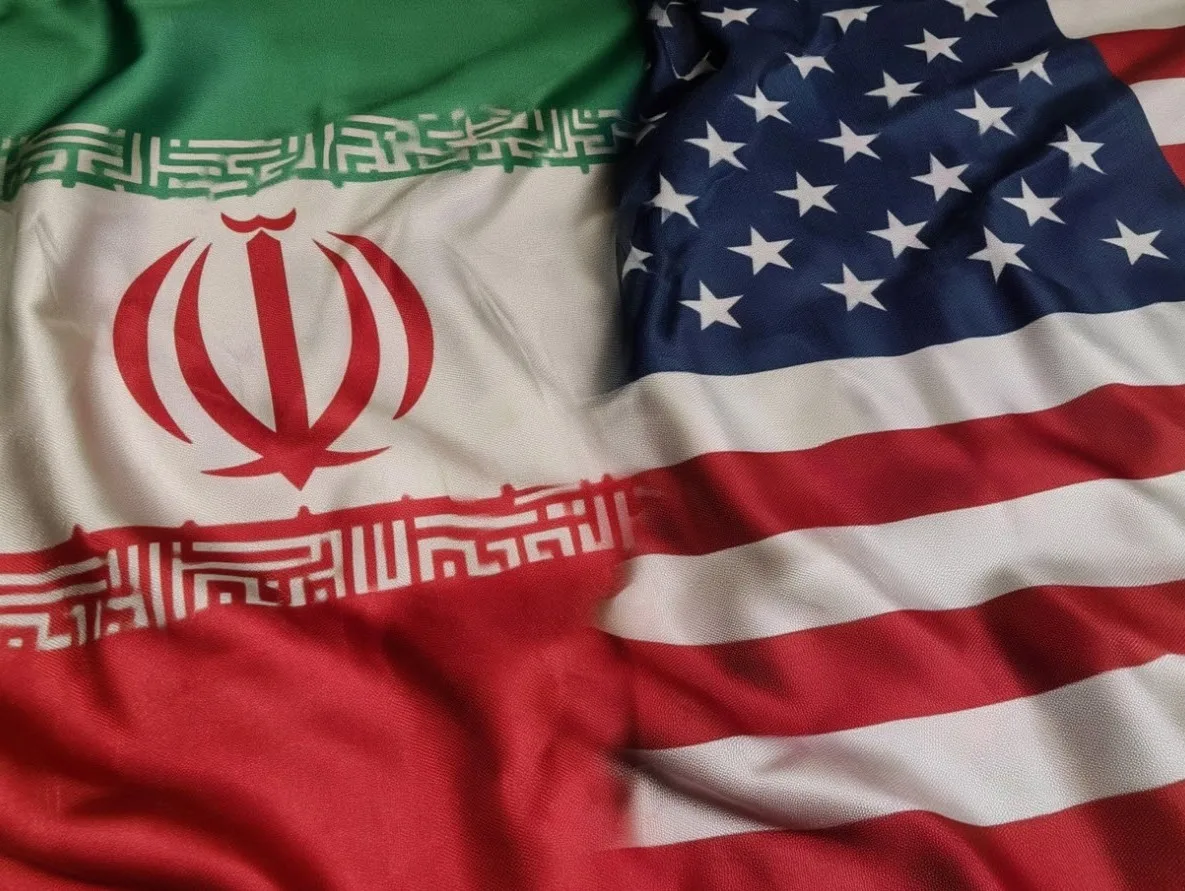
The US-Iran conflict has entered a familiar loop. President Trump declared the ceasefire deal "over," then walked that back by saying he doesn't expect a full war to resume — while simultaneously claiming any conflict would end quickly. Overnight US strikes on Iran were met with Iranian retaliatory strikes on US bases in the Gulf region, a tit-for-tat exchange that underscores how fragile the pause in hostilities actually was.
The rhetorical pattern here is telling. When tensions escalate beyond a comfortable threshold, the playbook appears to call for Trump to signal that the other side is the one eager to negotiate. That framing already appeared once during this cycle, culminating in a memorandum of understanding that both parties signed but that clearly lacked the structural durability to hold. The reset button has effectively been pressed again, and markets are watching closely.
Read more Binance Expands Into Gold and Silver Options Trading →
The Strait of Hormuz remains the most consequential pressure point. While shipping traffic along the waterway has shown a modest uptick in recent weeks, analysts see nothing resembling a return to normalcy. Iran has not signaled any willingness to ease its posture in the strait, and maritime insurers — still pricing in elevated risk — are keeping premium rates high. That combination continues to discourage commercial vessels from transiting freely, regardless of any diplomatic rhetoric.
The real-world price signal is already registering. WTI crude climbed roughly 1% to $74.30, and after four straight weeks of declines, the renewed US-Iran friction could serve as a catalyst for a more sustained oil price rebound heading into summer. If negotiations remain stalled and the Strait of Hormuz bottleneck persists, energy markets may have further room to run — with knock-on effects for inflation and global supply chains that policymakers will need to monitor carefully.
Continue reading at Forexlive.