Wall Street Turns to AI as Fed Cuts Back on Public Guidance
With the Federal Reserve signaling fewer public communications, investment firms are deploying AI tools to fill the analytical void.
A quieter Federal Reserve is forcing Wall Street to rethink how it reads monetary policy signals. As the U.S. central bank moves toward a new era of reduced public commentary, investment firms are scrambling to maintain their edge — and some are turning to artificial intelligence to do it.
The shift matters because markets have grown deeply accustomed to a Fed that communicates frequently and with granular detail. Decades of forward guidance, press conferences, and speeches by regional bank presidents have trained traders and analysts to parse every word for clues about interest rate direction. A pullback in that commentary represents a meaningful change in the information environment that underpins trillions of dollars in financial decisions.
Read more Binance Expands Into Gold and Silver Options Trading →
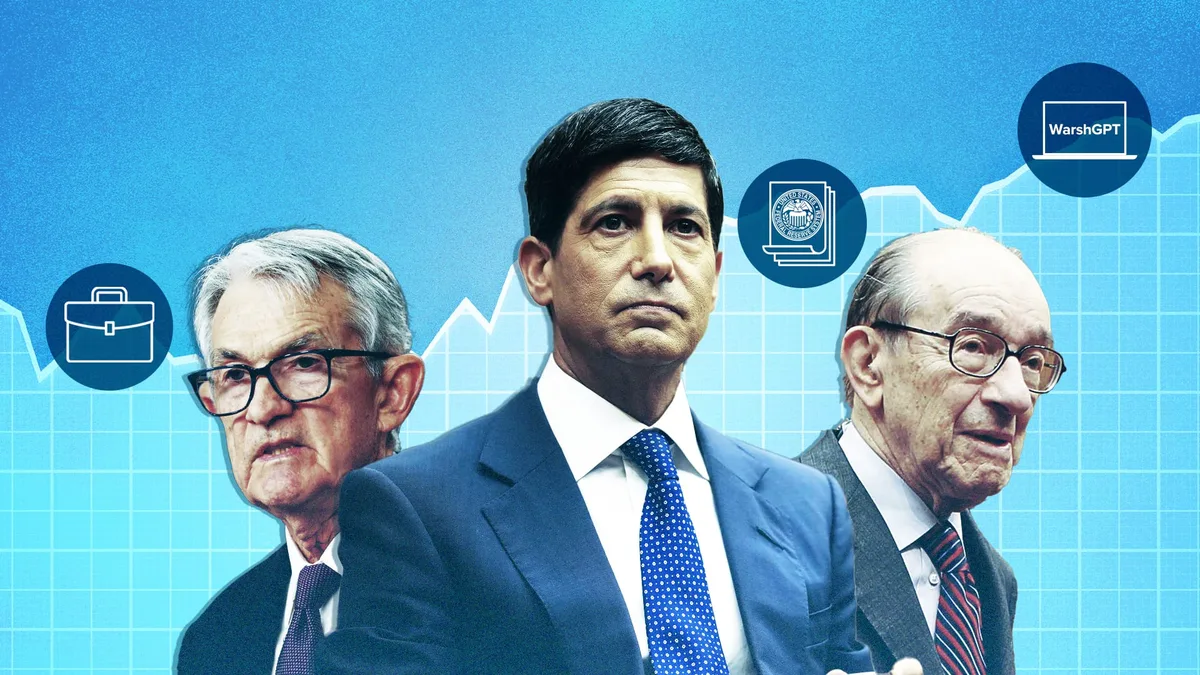
In response, some firms have begun building or deploying AI-driven tools — dubbed informally by some on the Street as "WarshGPT" — designed to model Fed behavior and anticipate policy moves with less raw input to work from. The approach reflects a broader bet that machine learning can identify patterns in economic data and historical Fed conduct that human analysts might miss, especially when official guidance grows sparse.
The development raises deeper questions about market function. When central bank transparency recedes, the firms with the most sophisticated analytical infrastructure gain a structural advantage over those without. AI tools that can synthesize macroeconomic indicators, historical voting records, and even linguistic shifts in official documents could become a new form of informational currency — widening the gap between institutional players and smaller investors.
Whether AI can reliably substitute for explicit Fed communication remains an open and consequential question. Monetary policy decisions are shaped by judgment calls that even policymakers sometimes cannot fully articulate in advance. Still, the race to build better forecasting tools signals that Wall Street is not waiting for the Fed to change course. Continue reading at US Top News and Analysis.