Warren Buffett's 11-Word Stock Market Warning Explained
Buffett issued a terse but pointed caution about equities. Here's what his words signal for investors.
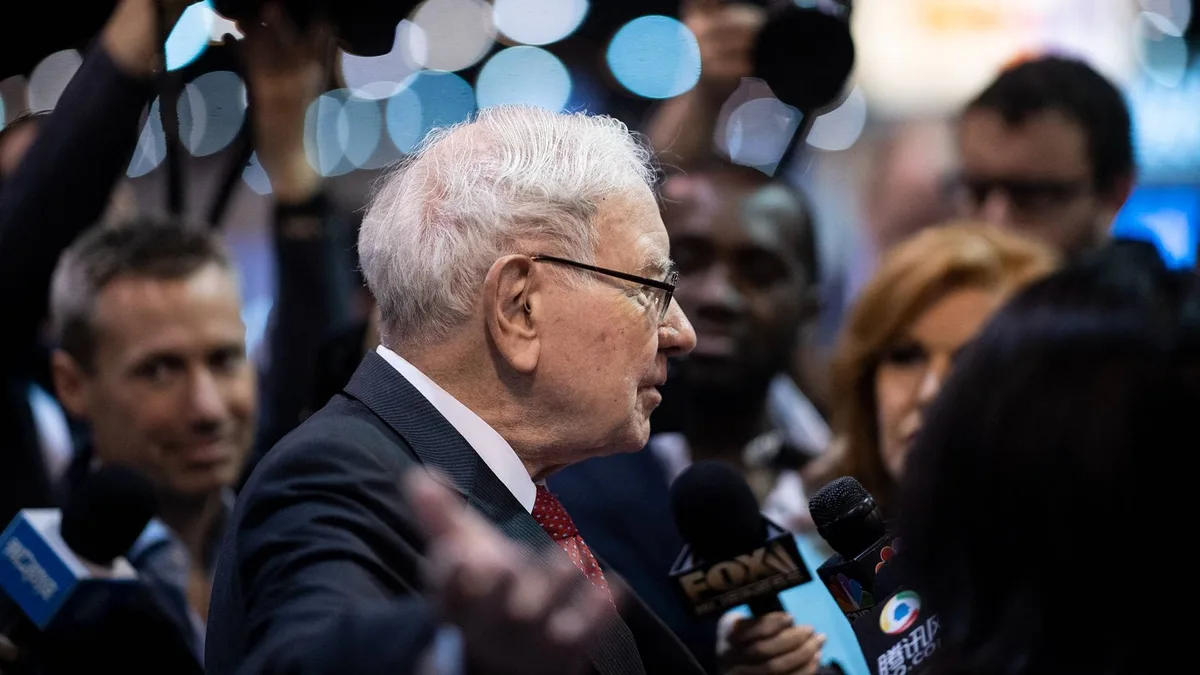
Warren Buffett has built a career on distilling complex financial wisdom into plain, memorable language, and his latest market commentary is no exception. The Berkshire Hathaway chairman reportedly delivered an 11-word warning about the stock market — a brevity that, by design, carries outsized weight given his decades-long track record of correctly identifying turning points in investor sentiment.
While the source material does not reproduce the exact phrasing, the context surrounding such a warning from Buffett is analytically significant. The Oracle of Omaha has historically used short, declarative statements to signal caution during periods of elevated valuations or speculative excess — most famously his observation that investors should be fearful when others are greedy. A compressed, aphoristic warning of this kind typically reflects his view that markets have drifted from fundamental value.
Read more Binance Expands Into Gold and Silver Options Trading →
Buffett's warnings deserve particular scrutiny because Berkshire Hathaway's behavior tends to be the real signal. When the conglomerate sits on record cash piles rather than deploying capital into acquisitions or equities, the implication is that Buffett sees few attractively priced opportunities — a posture that independently communicates caution regardless of any verbal statement. Investors watching both the words and the balance sheet get a more complete picture.
For retail investors, the practical takeaway from any Buffett market warning is less about timing a specific exit and more about portfolio discipline: ensuring adequate diversification, avoiding leverage during frothy conditions, and resisting the temptation to chase momentum-driven returns. Buffett's own advice has long been that such warnings are not calls to exit markets entirely, but reminders that price paid ultimately determines long-term returns.
Continue reading at Yahoo Finance