Waymo Accelerates Robotaxi Rollout With Four New U.S. Markets
Alphabet's autonomous vehicle unit is expanding its driverless ride service to four additional U.S. cities, widening its lead in the robotaxi space.
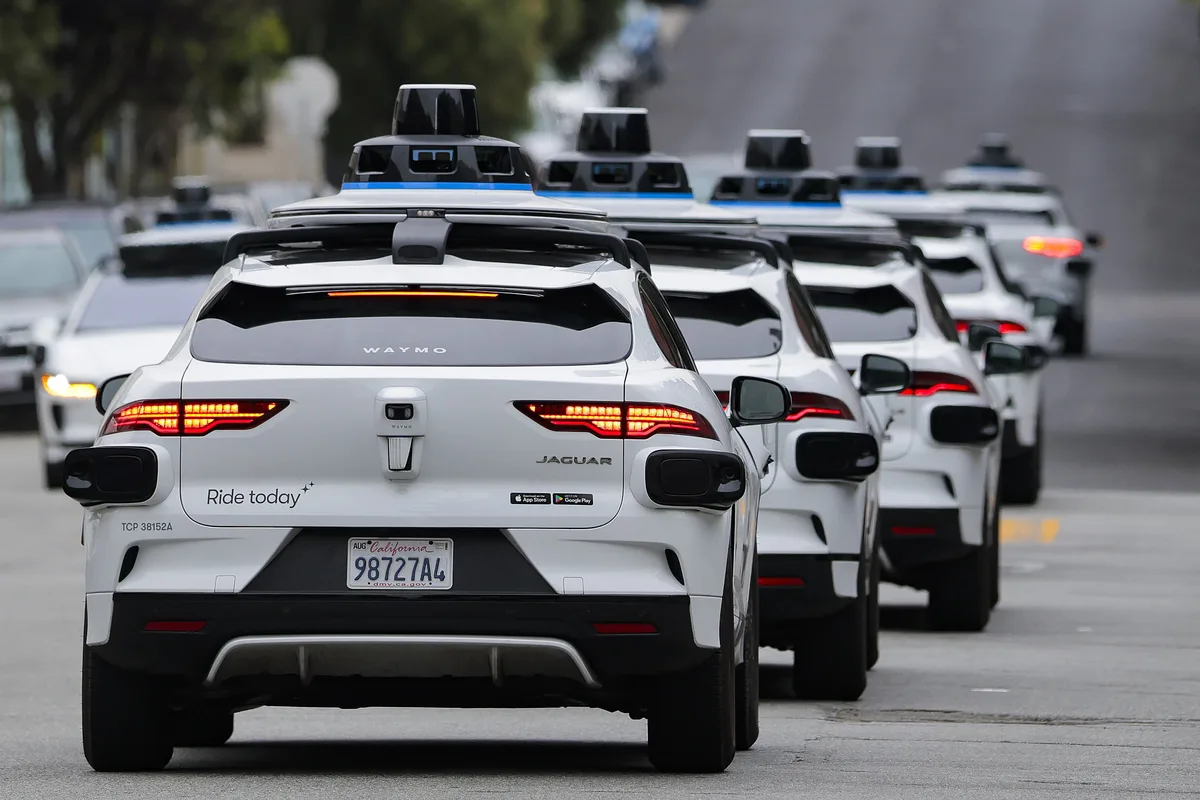
Waymo, the autonomous vehicle subsidiary of Alphabet, is pushing deeper into the American transportation market by launching driverless ride services in four new cities. The move signals a deliberate shift from cautious pilot programs to a more assertive commercial expansion strategy — one that few rivals are currently positioned to match.
The company already holds a commanding advantage in the nascent U.S. robotaxi industry, a sector that has seen competitors stumble, retreat, or fold entirely in recent years. That competitive moat, built through years of cautious real-world testing and incremental regulatory approvals, now appears to be translating into genuine geographic momentum.
Read more Taco Bell Cyclospora Outbreak Clouds Yum Brands Earnings Outlook →
The significance of this expansion extends beyond market share. Each new city Waymo enters generates fresh operational data across different road conditions, traffic patterns, and regulatory environments — inputs that feed back into the underlying technology and potentially widen the gap between Waymo and any would-be challengers. In the autonomous vehicle business, scale and data are deeply intertwined advantages.
For consumers in the newly targeted markets, the expansion raises practical questions about availability, pricing, and safety oversight. Waymo's existing deployments in cities like San Francisco and Phoenix have offered early evidence that fully driverless commercial rides are operationally viable, though public and regulatory scrutiny remains high across the industry.
The robotaxi sector remains one of the most closely watched frontiers in both transportation and technology investment. Waymo's accelerating rollout suggests that at least one player believes the infrastructure, regulatory climate, and public appetite are sufficiently aligned to justify moving faster. Continue reading at US Top News and Analysis.