What a Family Tragedy Reveals About Travel Insurance Gaps
A personal loss exposes eight critical lessons about travel expenses most vacationers overlook before summer trips.
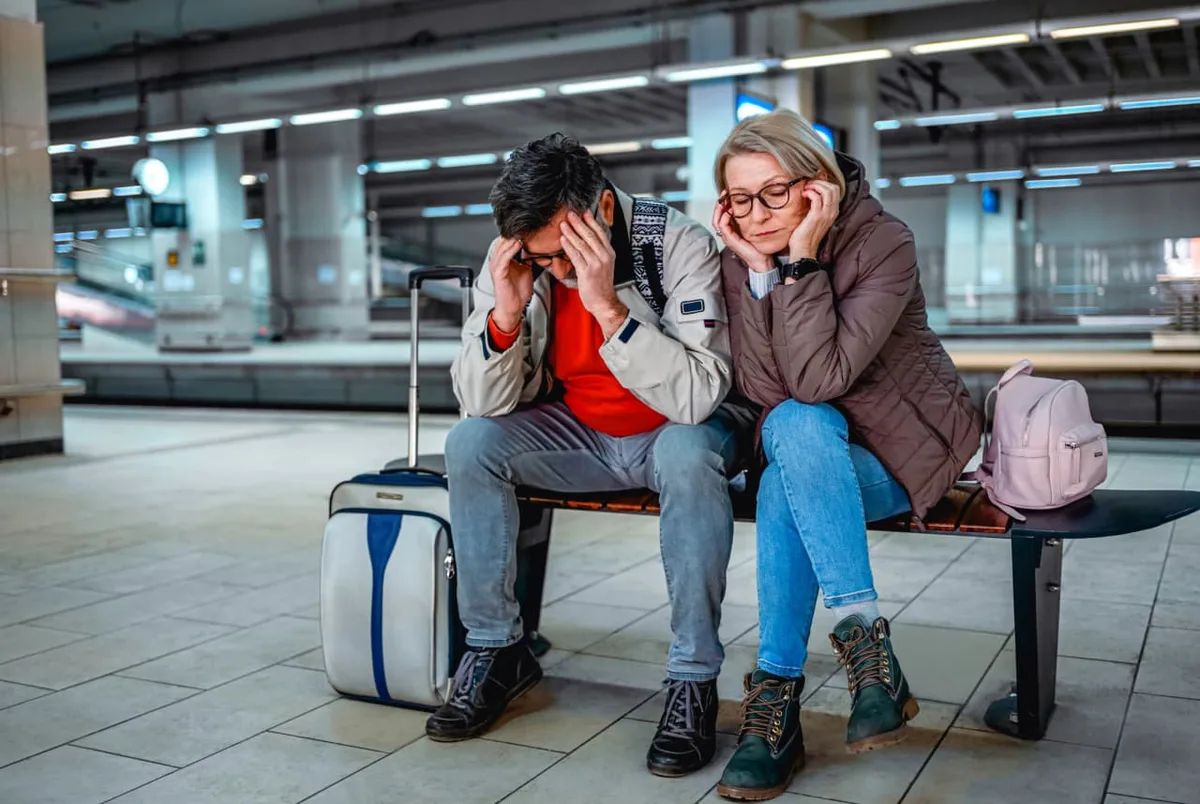
As the summer travel season accelerates, millions of Americans are booking flights, hotels, and excursions with one glaring omission from their pre-departure checklist: adequate financial protection. A deeply personal account published by MarketWatch details how a family tragedy became an unexpected crash course in the true cost of travel without a proper safety net — and the lessons cut far deeper than a missed flight or delayed bag.
The core insight is one that travel industry veterans have long understood but rarely communicate clearly to consumers: the financial exposure of an unprotected trip extends well beyond the ticket price. Medical evacuations, last-minute cancellations, emergency repatriation of remains, and unexpected lodging costs from disrupted itineraries can collectively run into tens of thousands of dollars — expenses that standard health insurance policies, particularly domestic employer-sponsored plans, often refuse to cover abroad.
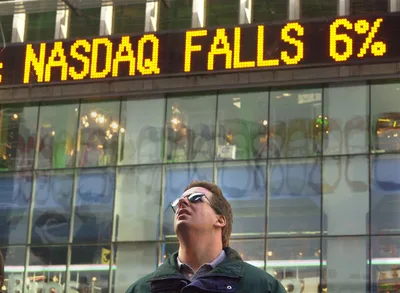
Read more Gen X Investors Face Retirement Risk With Dotcom Scars Still Fresh →
What makes the MarketWatch account analytically significant is its timing. With U.S. travel demand running at elevated levels and household budgets already stretched by years of cumulative inflation, the stakes of an underinsured trip are higher than in previous cycles. Travelers may be spending more on the trip itself while cutting corners on the protection layer — a tradeoff that can transform a vacation into a financial catastrophe under the wrong circumstances.
The broader policy implication is straightforward: travel insurance is not a luxury upsell at the checkout screen but a risk-management instrument with a calculable expected value. For families traveling internationally, or even domestically to remote destinations, the premium — typically 4% to 10% of total trip cost — represents actuarially reasonable protection against low-probability, high-severity events. The tragedy documented in this piece is a stark reminder that those events do happen, and they happen without warning.
Summer is the highest-stakes moment to absorb this lesson. Continue reading at MarketWatch.com.