What the $120 Million Coldcard Hack Reveals About Bitcoin Security
A major exploit targeting Coldcard hardware wallets is drawing scrutiny to Bitcoin's mempool and the limits of cold storage security.
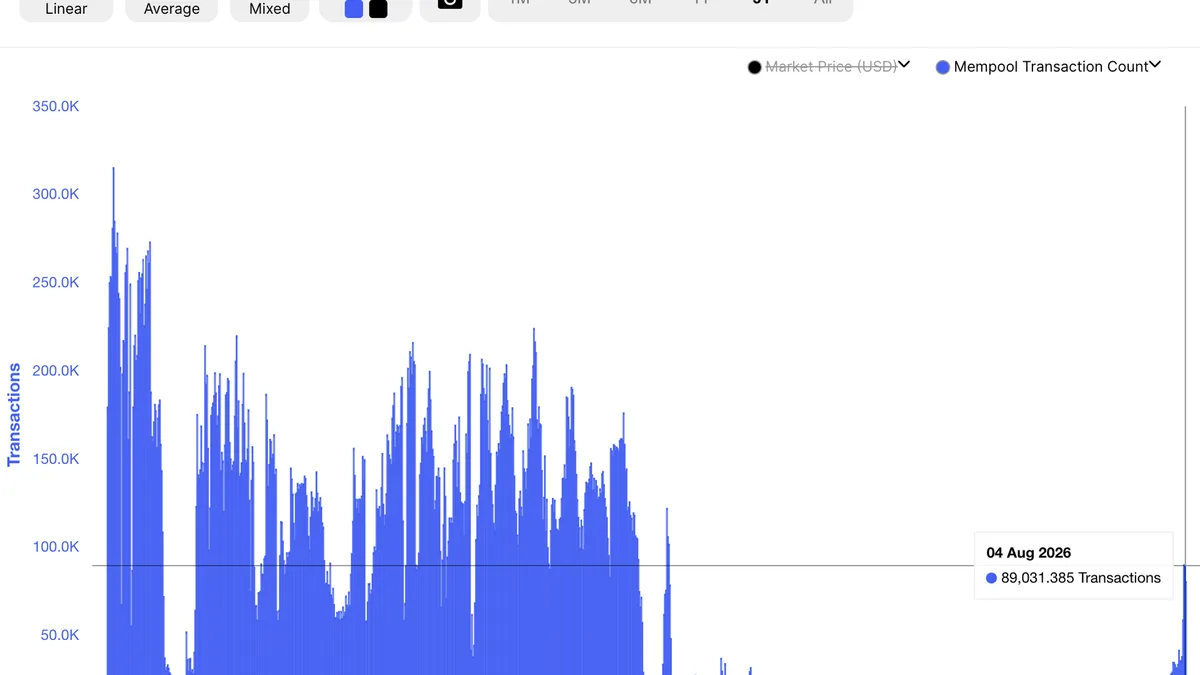
A reported $120 million hack involving Coldcard, one of the most trusted hardware wallets in the Bitcoin ecosystem, has sent ripples through the cryptocurrency security community and thrust Bitcoin's memory pool — the mempool — into the spotlight. The incident raises uncomfortable questions about the assumptions underpinning so-called cold storage, long marketed as the gold standard for safeguarding digital assets.
The mempool, which serves as a waiting room for unconfirmed Bitcoin transactions before miners bundle them into blocks, became a focal point as observers tracked the movement of funds linked to the exploit. On-chain analysts watching the mempool in real time were able to observe the suspicious transaction flow, underscoring both the transparency of the Bitcoin ledger and, paradoxically, the difficulty of stopping a theft once it is set in motion on a decentralized network.
Read more Check-Cap Sets Eight-Week Timeline for MBody AI Merger Close →
Coldcard hardware wallets are designed specifically to keep private keys air-gapped from internet-connected devices, making them a preferred tool for security-conscious holders and institutions alike. A breach of this magnitude, if confirmed, would represent a significant blow to confidence in hardware-based key management — not because the underlying Bitcoin protocol failed, but because the security layer humans built around it did.
The episode also highlights a persistent tension in crypto security: the more sophisticated the custody solution, the more complex the attack surface becomes. Whether through supply-chain compromises, firmware vulnerabilities, or social engineering, adversaries have repeatedly demonstrated that no hardware is categorically immune. For the broader market, incidents like this tend to accelerate conversations around multisignature custody, institutional-grade vaults, and the trade-offs between self-custody and regulated custodians.
The full details of the attack vector and any recovery efforts remain developing, and the Bitcoin community is watching closely. Continue reading at CoinDesk.