Why Oil Markets Fear Strait of Malacca Could Be Next Toll Route
Hormuz transit fee fears are spreading to other key shipping lanes, rattling energy investors worldwide.
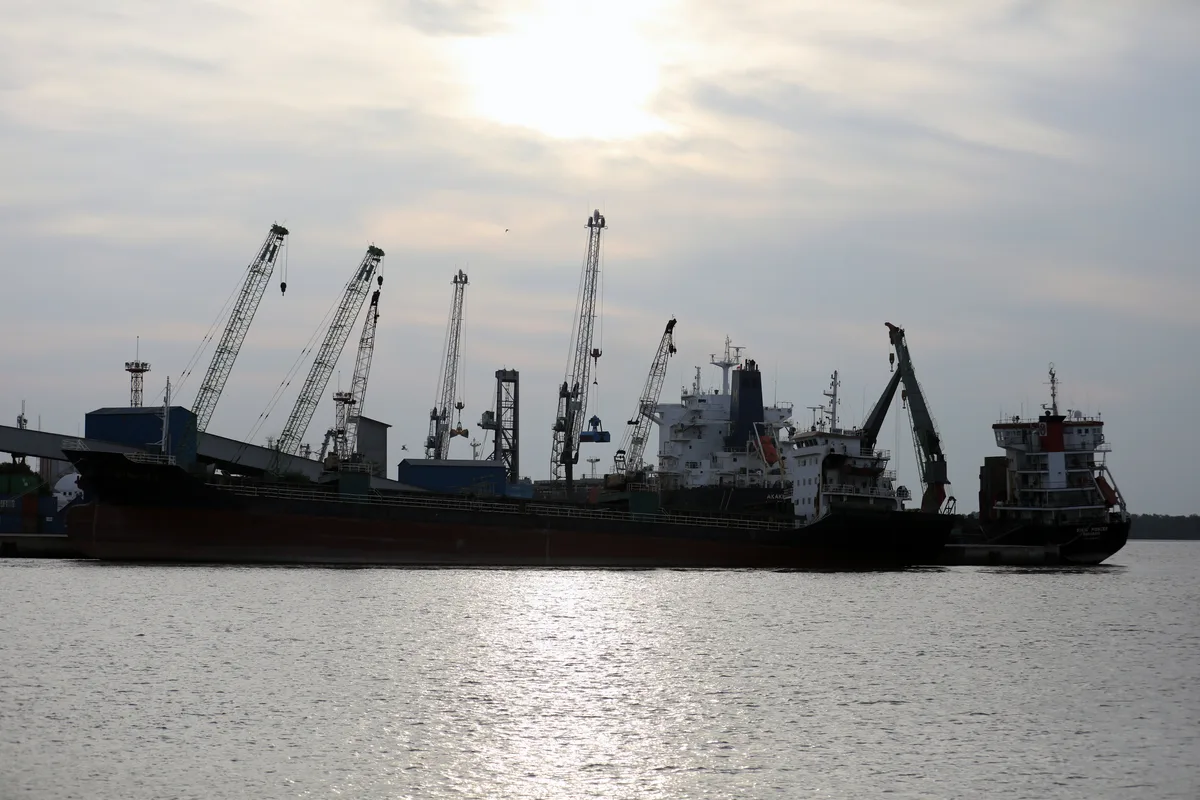
The global energy market has a new anxiety: what begins as a toll fight in one strategic waterway could metastasize into a broader renegotiation of the rules governing maritime trade. The prospect of fees levied on ships transiting the Strait of Hormuz — the narrow passage through which a significant share of the world's seaborne oil flows — has unsettled investors not merely because of what it would mean for that corridor alone, but because of the precedent it would set.
The Strait of Malacca, the critical chokepoint linking the Indian Ocean to the South China Sea and serving as the primary artery for trade between the Middle East and Asia, has emerged as the corridor investors now eye most nervously. If one nation or coalition can credibly threaten to impose transit fees on one of the world's most indispensable shipping lanes, the logic extends naturally to others. That precedent risk — the fear that the Hormuz situation normalizes toll-seeking behavior — is what makes this moment particularly combustible for energy markets.
Read more Binance Expands Into Gold and Silver Options Trading →
For oil investors, the concern is both structural and immediate. Shipping costs are already embedded in the price of crude, but the introduction of politically motivated tolls would add a layer of uncertainty that is far harder to hedge than conventional supply disruptions. Unlike a pipeline outage or a production cut, transit fees are a policy instrument — unpredictable in their timing, magnitude, and duration — making them especially difficult for markets to price efficiently.
The broader implication is a potential fracturing of the assumptions underpinning global energy trade. For decades, the international community has operated under a loose but functional consensus that major shipping lanes remain open and free to navigate. Any erosion of that norm — whether at Hormuz, Malacca, or elsewhere — would force a fundamental reassessment of how supply chains are structured and how energy security is defined. Analysts watching this dynamic warn that even the credible threat of such fees can distort investment decisions and route planning well before any toll is actually collected.
Continue reading at US Top News and Analysis