Why Staying Home No Longer Saves You Money on Entertainment
Rising prices on streaming and gaming are eroding the cost advantage of at-home leisure, a trend economists are calling 'funflation.'
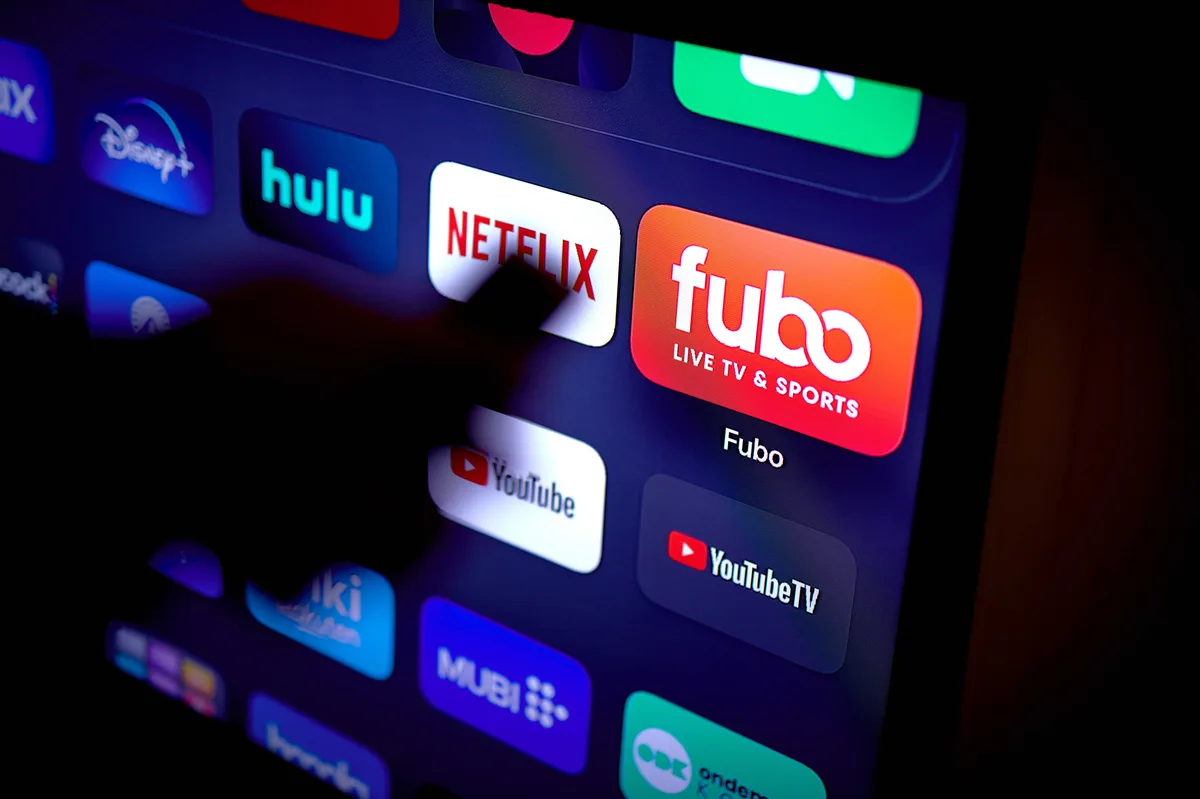
For years, the calculus was simple: staying home meant spending less. A night on the couch with a streaming service or a video game felt like the budget-conscious alternative to concerts, restaurants, or travel. That assumption is now under serious pressure, as a wave of price increases has quietly transformed at-home entertainment into a meaningful household expense.
The phenomenon, dubbed 'funflation,' captures how leisure costs — both inside and outside the home — have climbed sharply in recent years. Streaming platforms have raised subscription rates multiple times, often while simultaneously cracking down on password sharing to squeeze more revenue from existing users. Gaming, once dominated by a stable $60 price point for new titles, has seen publishers push releases toward $70 and beyond, with additional costs layered in through downloadable content and subscription services.
Read more Gen X Investors Face Retirement Risk With Dotcom Scars Still Fresh →
The economic logic behind these increases is straightforward: after a pandemic-era surge in subscribers, platforms face slower growth and investor pressure to improve margins. Raising prices on a captive, habituated audience is the path of least resistance. But the cumulative effect on household budgets is real. A family maintaining multiple streaming subscriptions alongside gaming costs can now face monthly bills that rival a modest dinner out — undermining the very premise of the stay-in alternative.
What makes funflation particularly significant is the psychological shift it demands. Consumers who mentally categorized home entertainment as nearly free are now confronting visible, recurring line items. That reclassification changes spending behavior and forces tradeoffs that didn't exist a few years ago. Analysts watching consumer sentiment note that discretionary spending fatigue is spreading beyond obvious luxuries into activities people once considered their affordable fallback.
The broader implication is that inflation's reach into leisure is more comprehensive than headline CPI figures might suggest, touching the quiet corners of daily life that households had long relied on as a financial buffer. Continue reading at US Top News and Analysis.