Why the Japanese Yen's Moves Could Rattle Your Stock Portfolio
A potential Japanese currency intervention is sending warning signals to U.S. equity investors who may not realize how exposed they are.
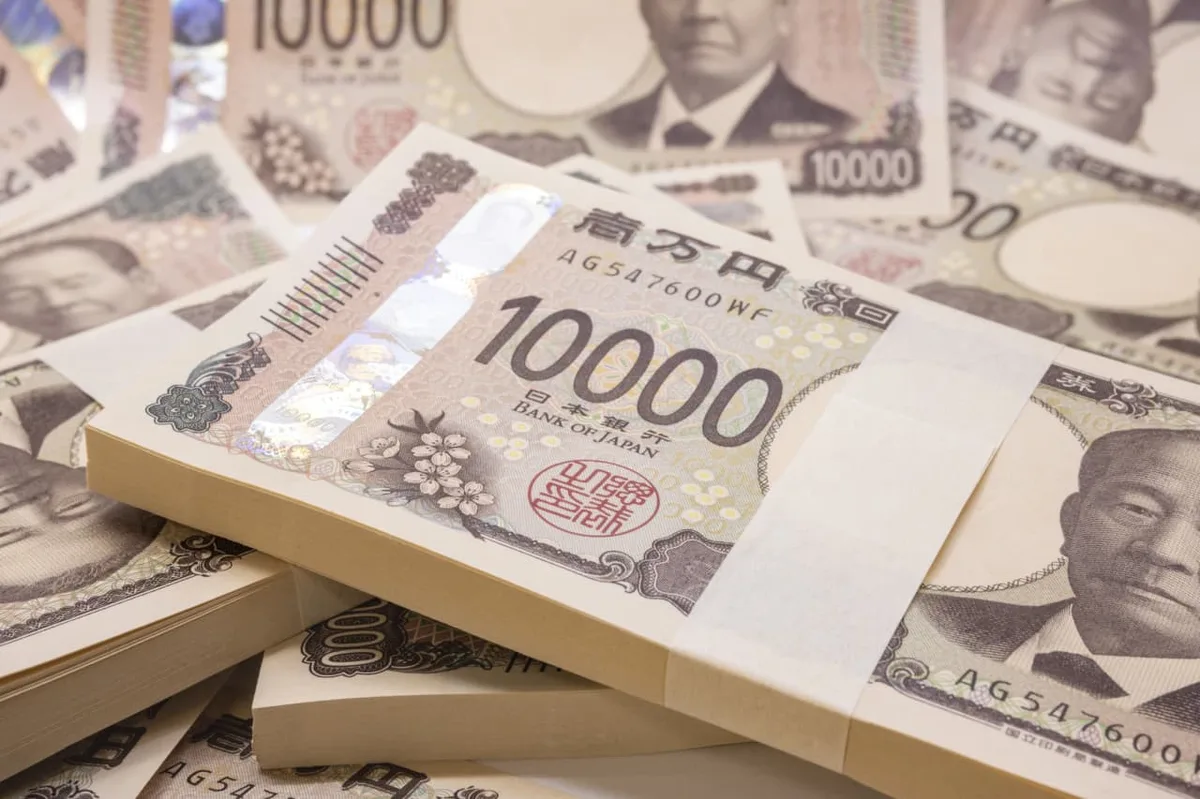
Most American investors don't think of the Japanese yen when reviewing their brokerage statements, but the currency has quietly become one of the more consequential variables shaping U.S. stock performance. The connection runs through global capital flows, carry trades, and the broader architecture of how institutional money moves across borders — mechanisms that tend to stay invisible until they suddenly aren't.
The yen carry trade is at the heart of this relationship. For years, investors have borrowed cheaply in yen — taking advantage of Japan's historically low interest rates — and deployed that capital into higher-yielding assets, including U.S. equities. When the yen strengthens sharply or Japan's central bank signals a policy shift, those trades can unwind rapidly, forcing investors to sell stocks to cover their positions. The result is a sell-off that appears disconnected from American economic fundamentals but is very much tied to Tokyo's monetary decisions.
Read more Binance Expands Into Gold and Silver Options Trading →
What makes the current moment particularly notable is the prospect of direct intervention by Japanese authorities to defend the yen. Such interventions, when they occur, can trigger sudden and significant currency moves that compress the very spread carry traders depend on. History suggests these episodes can ripple outward quickly, catching equity markets off guard even when broader economic conditions appear stable.
For individual investors, the practical implication is a form of hidden foreign-exchange risk embedded in a portfolio that looks entirely domestic. Large-cap U.S. multinationals, technology stocks favored by institutional funds, and broad index funds all carry some exposure to these dynamics, even if the connection is indirect. Recognizing that link is the first step toward understanding why an apparently unrelated currency headline in Asia can move markets in New York.
Continue reading at MarketWatch.com