World Cup Semifinals Trigger Late Travel Surge to U.S. Host Cities
Demand for travel to U.S. World Cup host cities is climbing sharply as the tournament enters its semifinal stage, driven by the biggest spenders.
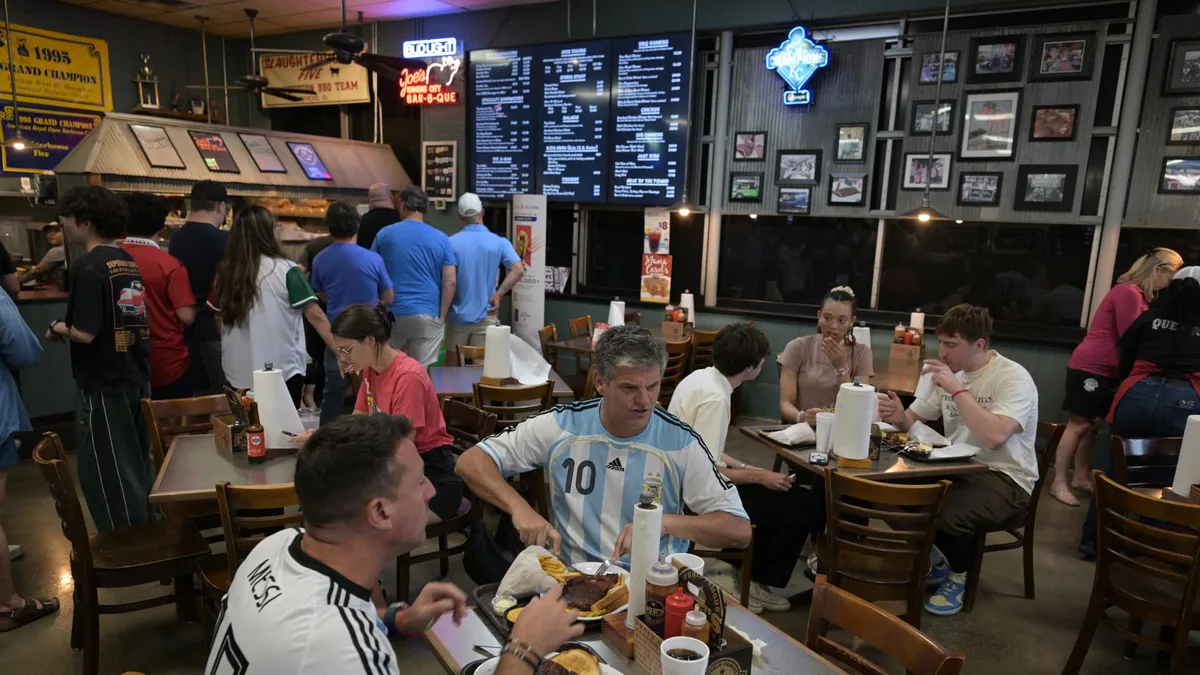
As the FIFA World Cup narrows to its final few matches, U.S. host cities are experiencing a pronounced surge in travel demand — a pattern that reflects how the tournament's most financially committed fans tend to arrive late rather than early. The semifinal stage, with its heightened stakes and compressed scheduling, appears to be the inflection point that converts casual interest into booked itineraries.
The dynamic underscores a broader truth about major international sporting events: the bulk of high-value travel spending often concentrates in the final rounds, when team loyalties are sharpest and the emotional pull of attending a historic match outweighs cost concerns. For host cities, this late-arriving wave of visitors represents both an economic opportunity and a logistical stress test.
Read more Fed Expected to Hold Rates Steady: What It Means for You →
The timing of this demand spike carries meaningful implications for the hospitality and airline industries, which have spent months calibrating inventory and pricing around World Cup projections. A surge concentrated in the semifinal and final windows can push last-minute airfare and hotel rates sharply higher, rewarding those who held inventory while pressuring travelers who delayed booking decisions.
For the broader U.S. tourism economy, the World Cup's semifinal-stage travel boom offers a preview of how mega-events can reshape short-term demand curves in host markets — a lesson that will matter as the country prepares to host additional global sporting events in the coming years. City planners and tourism boards will be watching closely to see how effectively local infrastructure absorbs the influx.
Continue reading at CNBC.