Apple's Memory Shortage Tests Tim Cook's Supply-Chain Mastery
The AI-driven component crunch is straining Apple's legendary logistics operation, forcing the company to seek urgent remedies.
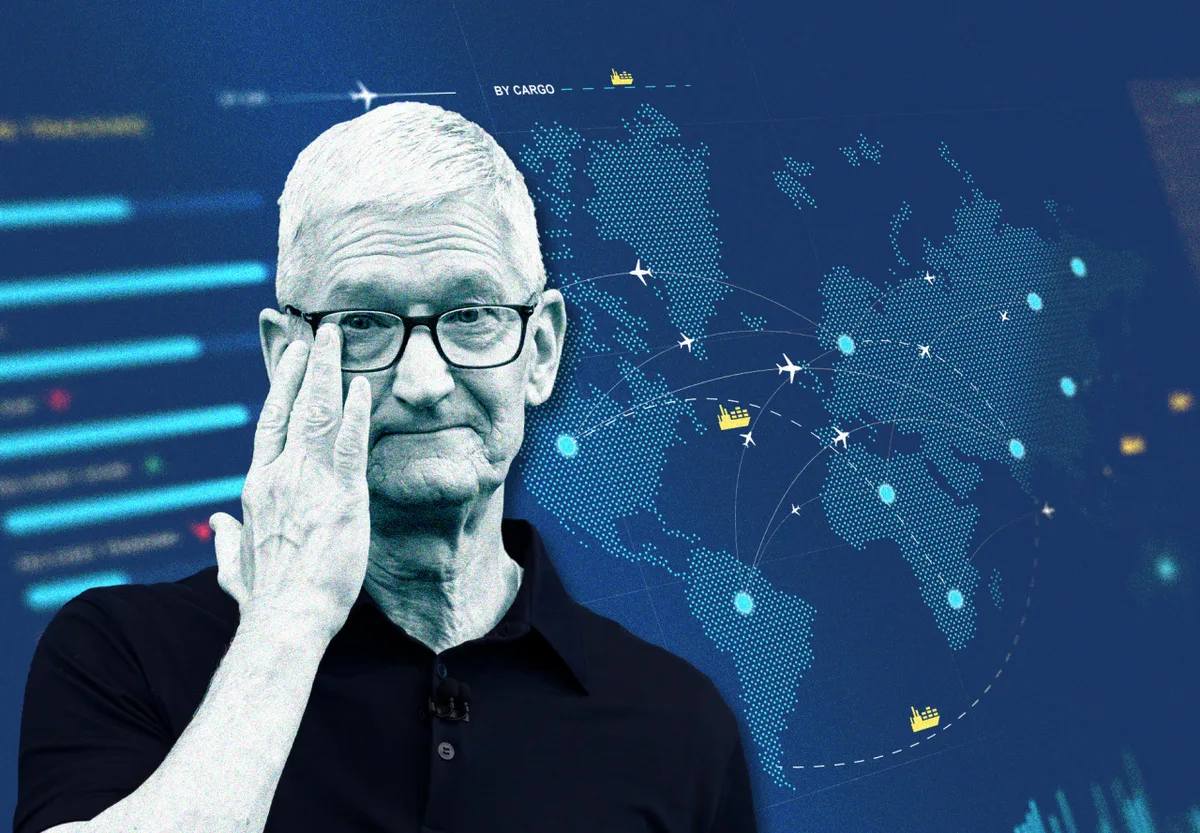
Tim Cook built his reputation — and arguably Apple's modern dominance — on supply-chain engineering that competitors spent two decades failing to replicate. Yet a deepening shortage of memory components, intensified by surging artificial intelligence demand across the entire tech industry, is now pressuring even that formidable machine. For a company whose operational precision has long been a structural competitive advantage, the crunch represents an unusual vulnerability.
The broader AI boom has reordered semiconductor priorities industry-wide, with memory chips in particular being absorbed at extraordinary rates by data-center builders and AI accelerator manufacturers. That upstream demand is cascading down into consumer electronics supply chains, leaving even the most disciplined buyers — Apple chief among them — scrambling for allocation. Cook's famous ability to lock in component supply years in advance offers less protection when the entire global demand curve shifts as rapidly as it has since the generative AI wave broke.
Read more GM Plans Proprietary In-Vehicle AI System for Late 2025 →
Apple is actively seeking solutions to the shortage, though the specifics of those workarounds remain fluid. The situation underscores a structural reality that no single company, regardless of purchasing power or planning sophistication, can fully insulate itself from macro-level shifts in how the world allocates its most critical chips. For Apple, which has tied its near-term product roadmap tightly to on-device AI features, any constraint on memory availability carries meaningful product and revenue implications.
Analysts watching the situation will be weighing how long the shortage persists and whether Apple can negotiate preferred allocation agreements or accelerate its own custom silicon development to reduce dependence on external memory suppliers. The episode is a reminder that supply-chain excellence is a relative, not absolute, shield — and that the AI era is rewriting the rules of component economics faster than even the best operators can adjust. Continue reading at MarketWatch.com