S&P 500 Stalls at Critical Level as Options Market Takes Control
The S&P 500 is locked in a tug-of-war at a key battleground, with options dynamics in Chicago quietly steering the market's next move.
The S&P 500 finds itself pinned at a pivotal technical threshold, unable to mount a sustained breakout in either direction as derivatives market participants effectively set the boundaries of near-term price action. What looks on the surface like indecision may actually reflect a more deliberate, mechanical force at work beneath the index's headline moves.
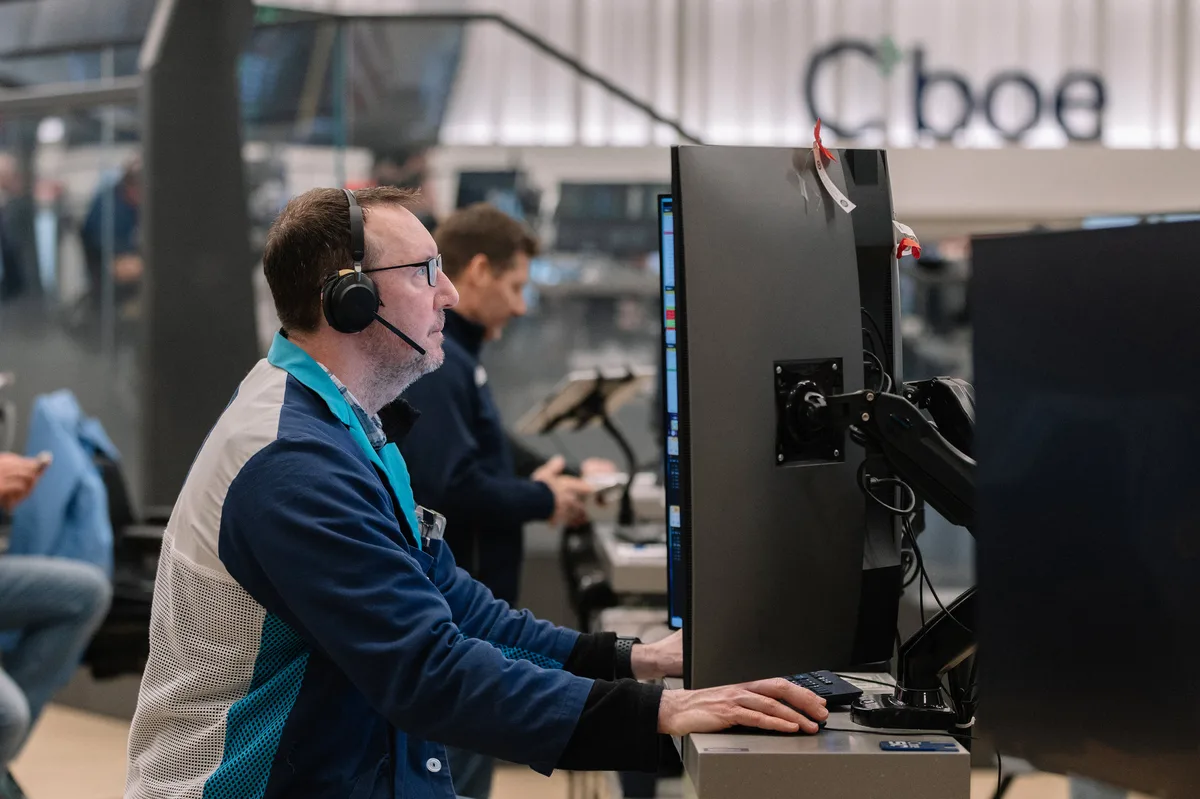
Options traders and market makers operating out of Chicago's derivatives pits moved with notable consistency on Friday — buying whenever the benchmark index slipped below 7,500 and pulling back the moment it crept above that same level. This push-pull dynamic is a classic hallmark of what traders call "gamma pinning," where the hedging behavior of market makers around large options strikes acts as a gravitational anchor on the underlying asset.
Read more S&P 500 Stalls at Key Level as Options Market Signals Next Move →
The significance here extends beyond a single session. When market makers hold substantial options exposure near a round number or a heavily traded strike, their need to continuously rebalance their hedges — buying into weakness and selling into strength — can suppress volatility and trap an index in a narrow range for days at a time. The 7,500 level in this case has become less a technical chart point and more an options-driven equilibrium.
What breaks the spell, typically, is either a large expiration event that clears the options positioning, or an external macro catalyst powerful enough to overwhelm the hedging flows. Until one of those conditions is met, the S&P 500 may remain tethered to this level regardless of the underlying fundamental narrative. For investors watching the tape and wondering why the market refuses to commit, the answer may lie not in economic data but in the mechanics of the derivatives complex that increasingly shapes daily equity behavior.
Continue reading at US Top News and Analysis.