Eaton Earnings Signal AI Infrastructure Demand Holds Firm
Eaton's latest results and forward guidance reassured investors that spending on AI-related power infrastructure remains robust despite broader market anxieties.
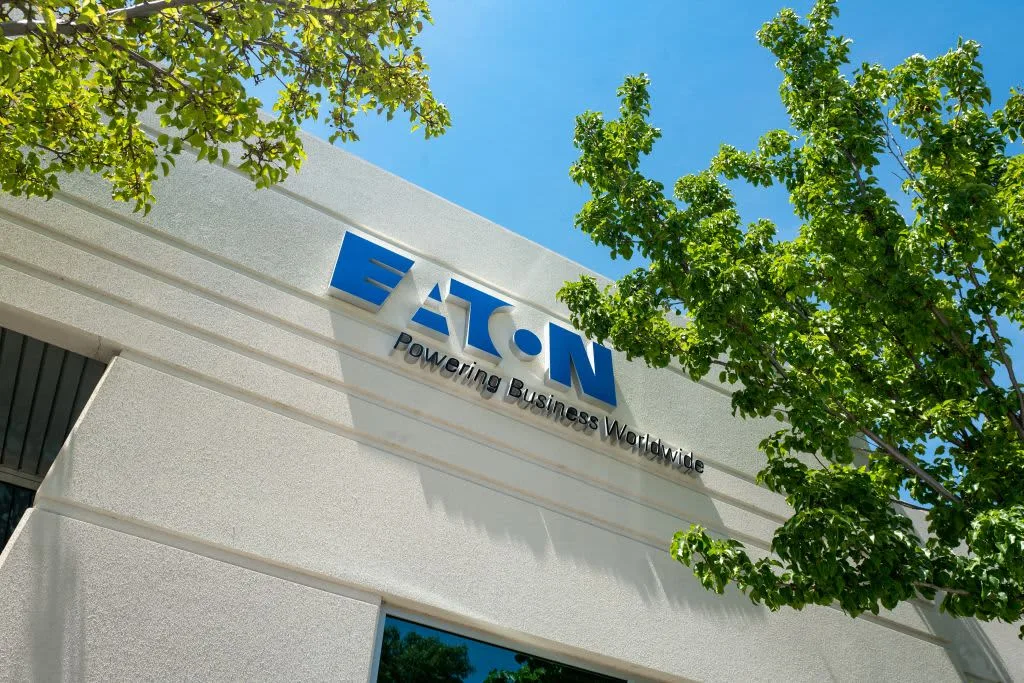
Eaton's stock surged after the industrial conglomerate reported earnings and an outlook that defied the jittery expectations investors had carried into the release. Heading into the results, shareholders had genuine cause for worry — a climate of uncertainty around capital spending and broader economic crosscurrents had cast doubt on whether corporate commitments to AI infrastructure would hold. Eaton's numbers offered a clear counterargument.
The company's performance is being read by analysts as a meaningful data point in the ongoing debate about the durability of the AI buildout. Eaton is a critical supplier of power management and electrical equipment — the unglamorous but indispensable hardware that hyperscale data centers require to keep artificial intelligence workloads running. When a company positioned that squarely in the AI supply chain beats expectations, it carries signal value well beyond its own balance sheet.
Read more S&P 500 Stalls at Critical Level as Options Market Takes Control →
What makes Eaton's resilience particularly noteworthy is the context in which it arrived. Concerns about tariffs, tightening corporate budgets, and a potential pullback in big-tech capital expenditure had fueled speculation that the AI infrastructure wave might be cresting. Eaton's results suggest that at least for now, the underlying demand for power capacity — driven by the electricity-intensive nature of AI computing — remains structurally intact rather than cyclically fragile.
For investors tracking the AI theme through industrial proxies rather than pure-play semiconductor names, Eaton represents a useful barometer. Its forward guidance, which showed continued confidence rather than cautious hedging, reinforced the view that data center construction pipelines are not yet showing meaningful signs of slowdown. The broader implication is that the physical build-out of AI infrastructure may be more insulated from near-term macro turbulence than skeptics have argued.
Continue reading at US Top News and Analysis.