Fed Holds Rates Steady as Retail Sales Show Resilience
The Federal Reserve kept interest rates unchanged while consumer spending data signaled continued economic durability.
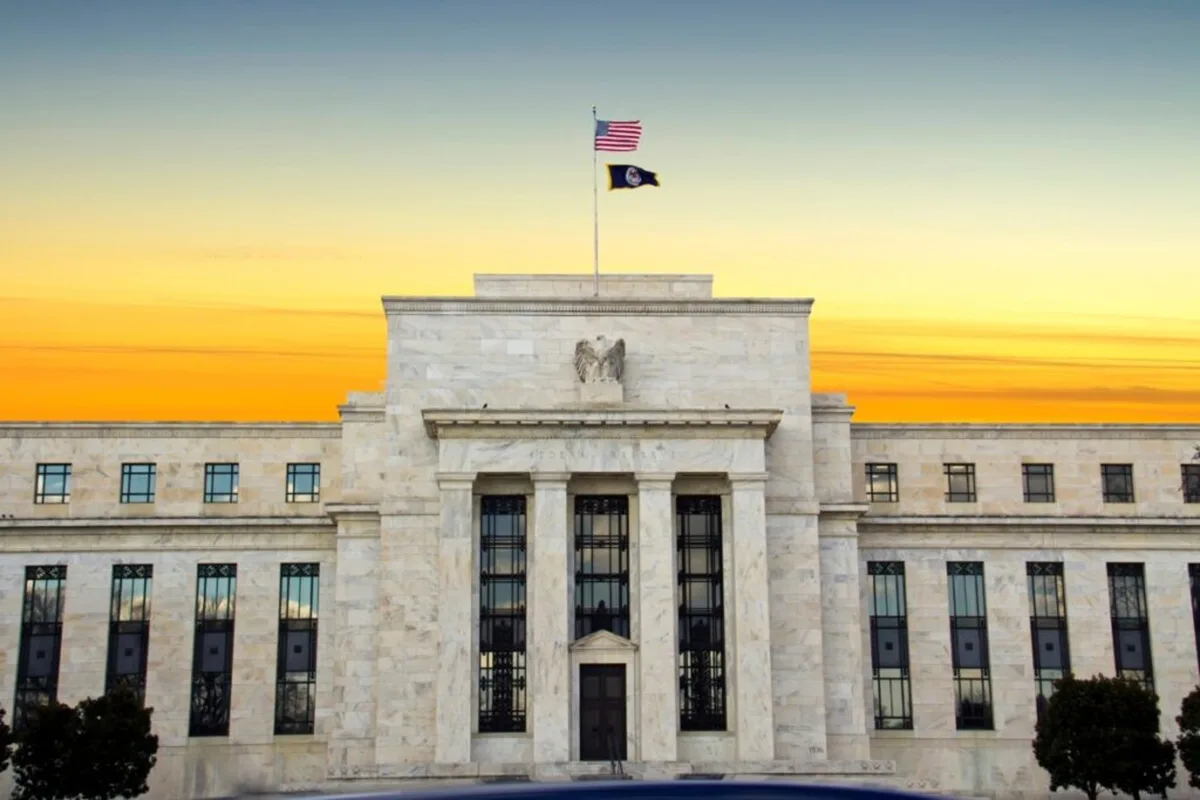
The Federal Reserve opted to hold its benchmark interest rate steady in its latest policy decision, a move that signals continued caution as policymakers weigh persistent inflation pressures against the risk of overtightening a still-functional economy. The decision was widely anticipated by markets, but its implications extend beyond the immediate moment — it reflects a central bank that remains in a deliberate holding pattern, reluctant to pivot until incoming data offers clearer directional signals.
Meanwhile, retail sales figures continued to demonstrate a degree of consumer resilience that has repeatedly surprised economists over the past year. Household spending, long considered the backbone of American economic growth, has defied repeated predictions of a slowdown, suggesting that consumers — despite elevated borrowing costs and persistent price pressures — have not yet meaningfully pulled back on purchases.
Read more Fed's Warsh Abstains From Rate Forecast as 2026 Hike Signals Emerge →
The juxtaposition of a cautious Fed and a resilient consumer creates a nuanced economic picture. On one hand, sustained retail activity reduces the urgency for rate cuts, giving the Fed room to remain patient. On the other, prolonged higher rates continue to weigh on credit-sensitive sectors, from housing to small business lending, compressing affordability and investment at the margins.
For market participants, the dual signals reinforce a familiar tension: strong consumption data can be read as either a sign of economic health or as inflationary fuel that keeps the Fed on hold longer than investors would prefer. How long consumer strength persists — and whether it begins to crack under the cumulative weight of higher rates — may ultimately determine the timing of the Fed's next move.
Continue reading at Benzinga.