Gundlach: Fed's Warsh Won't Be the Easy-Money Chair Markets Wanted
Bond investor Jeffrey Gundlach warns that Kevin Warsh will not deliver the loose monetary policy some had anticipated, which could have inflation implications.
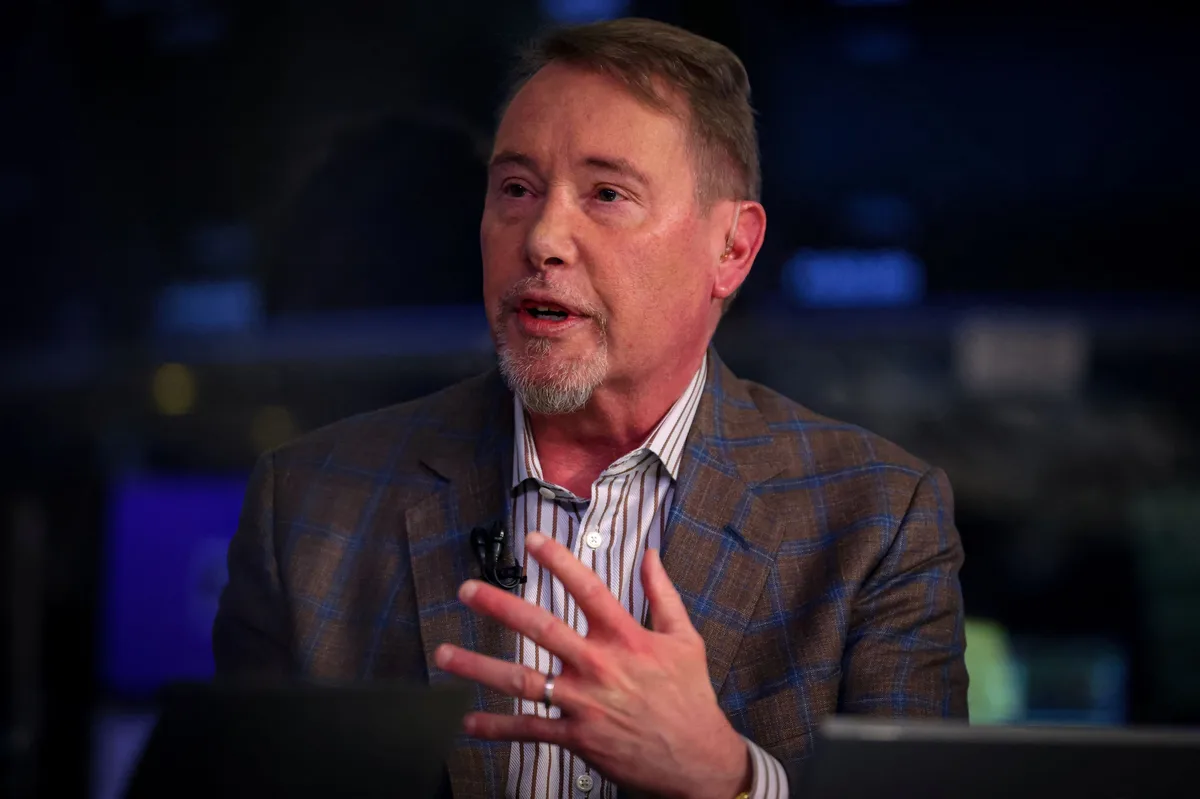
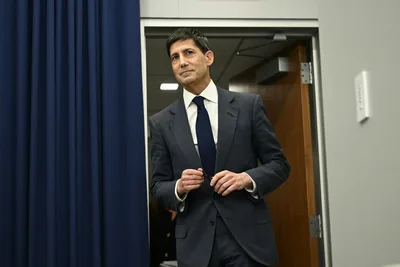
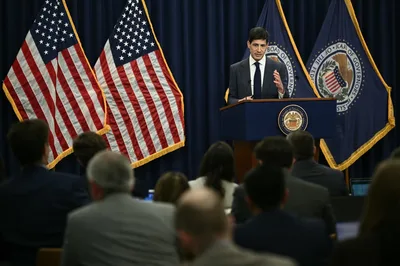
Jeffrey Gundlach, the prominent bond investor and DoubleLine Capital chief executive, is pushing back on a narrative that has quietly taken hold in some corners of Wall Street: that Kevin Warsh, widely discussed as a potential Federal Reserve chair, would steer the central bank toward significantly easier monetary conditions. According to Gundlach, that reading of Warsh is simply wrong.
The significance of this assessment goes beyond personnel speculation. Markets have at times priced in the possibility that a change in Fed leadership could translate into lower rates more quickly or a more accommodating posture toward economic growth — a dynamic that influences everything from mortgage rates to equity valuations. Gundlach's view challenges that assumption directly.
Read more Fed's Warsh Abstains From Rate Forecast as 2026 Hike Signals Emerge →
Critically, Gundlach framed Warsh's more restrained stance as a potential stabilizing force rather than a disappointment. A Fed chair less inclined toward easy money would, in his view, reduce the probability of rekindling inflationary pressures — a concern that remains live given the persistence of price increases in recent years. That discipline, he argued, would also help contain longer-term borrowing costs, which have proven sensitive to any perception that the Fed might fall behind on inflation.
The broader context here is meaningful. Long-term Treasury yields have remained elevated partly because bond investors are uncertain whether the Fed will maintain its credibility as an inflation fighter under future leadership. If Warsh signals continuity with a hawkish-leaning framework rather than a pivot toward accommodation, it could anchor expectations and prevent the kind of yield surge that would make government borrowing — and consumer debt — more expensive over time.
For investors recalibrating their rate outlooks, Gundlach's comments serve as a corrective signal: don't assume a change at the top of the Fed automatically means cheaper money. Continue reading at US Top News and Analysis.