Warsh and Vance Cast Doubt on the Fed's 2% Inflation Target
Comments from Kevin Warsh and Vice President J.D. Vance are raising questions about whether the U.S. will maintain its long-standing 2% inflation goal.
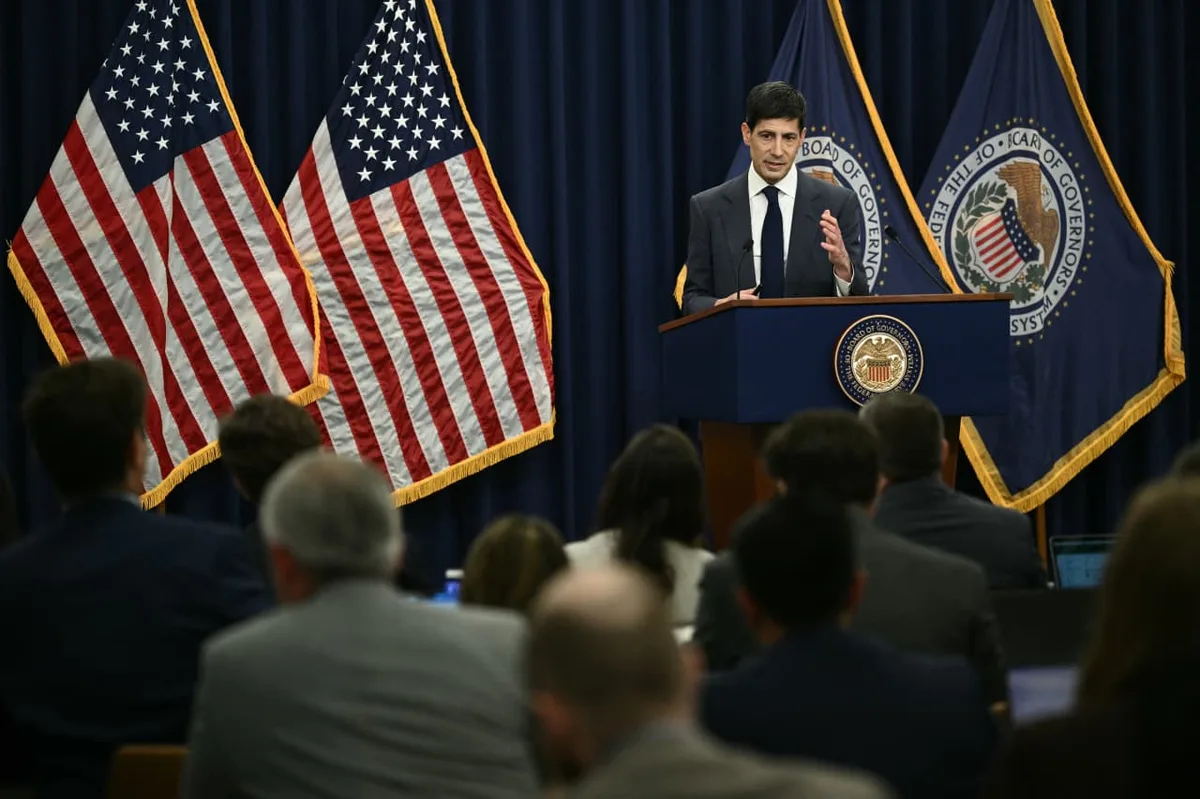
For decades, the Federal Reserve's 2% annual inflation target has functioned as a kind of economic bedrock — a commitment that anchors market expectations, guides monetary policy, and signals to global investors that the United States takes price stability seriously. That foundation now appears less certain, following remarks from Kevin Warsh and Vice President J.D. Vance that have drawn fresh scrutiny to whether the target will hold.
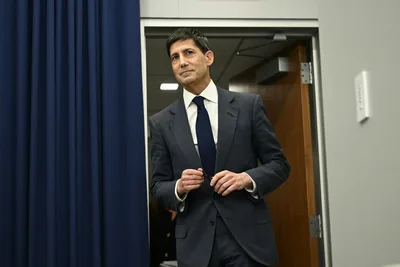
Warsh, a former Federal Reserve governor widely regarded as a leading candidate to chair the central bank, and Vance, the sitting Vice President, have both made statements that observers interpret as opening the door to tolerating a higher rate of inflation than the Fed's official mandate allows. The precise nature of those comments carries significant weight: when figures this close to potential monetary policy leadership signal flexibility on inflation, markets listen carefully.
Read more Fed's Warsh Abstains From Rate Forecast as 2026 Hike Signals Emerge →
The implications of abandoning or softening the 2% target would be far-reaching. Inflation expectations are self-fulfilling in important ways — once consumers and businesses believe prices will rise faster, they adjust wages and contracts accordingly, which itself accelerates inflation. The Fed spent much of 2022 and 2023 in an aggressive rate-hiking campaign precisely to re-anchor those expectations after they drifted during the post-pandemic price surge. Loosening the target now could risk unraveling that hard-won credibility.
From a policy standpoint, there are those who argue that a modestly higher inflation target — say, 3% — could give the central bank more room to maneuver during downturns, since it would mean higher baseline interest rates before cuts are needed. But critics counter that any public retreat from 2% risks a disorderly repricing of bonds, mortgages, and long-term financial contracts that are built around current inflation assumptions. The political optics of appearing to normalize higher prices also remain deeply problematic for any administration.
What makes this moment particularly consequential is the timing: the Fed is already navigating tariff-driven price pressures and an uncertain growth outlook. Any suggestion that the White House or its allies in the financial establishment are comfortable with inflation running above target adds another variable to an already complex picture. Continue reading at MarketWatch.com