Fed Holds Rates Steady, Drops Language Signaling Future Cuts
The Federal Reserve kept interest rates unchanged and revised its policy statement, removing prior language that had signaled a cutting bias.

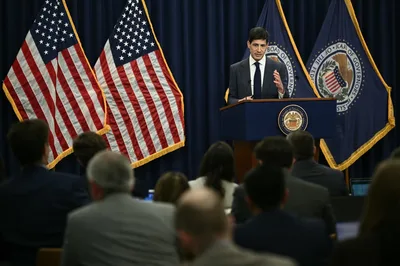
The Federal Reserve held its benchmark interest rate steady at its latest policy meeting, a decision that carried an important signal beyond the headline number: the central bank quietly rewrote its accompanying statement to strip out language that had previously implied a willingness to lower borrowing costs in the near term.
The removal of what analysts call a "cutting bias" marks a meaningful shift in how the Fed is communicating its intentions to markets. When central banks embed forward guidance into their statements, even subtle word changes can move bond yields, equity valuations, and currency markets — often more dramatically than the rate decision itself. By paring back that language, policymakers are signaling that the path to lower rates is neither automatic nor imminent.
Read more Fed's Warsh Abstains From Rate Forecast as 2026 Hike Signals Emerge →
This move reflects the Fed's ongoing balancing act: inflation has eased from its post-pandemic highs, but remains stubborn enough that committing to future cuts would risk undermining the credibility the central bank has worked hard to rebuild. At the same time, a softening labor market and broader economic uncertainty make an aggressive hold posture equally difficult to sustain indefinitely.
For everyday borrowers and investors, the practical implication is that mortgage rates, credit card APRs, and business lending costs are likely to stay elevated for longer than many had hoped entering 2025. Markets had priced in a more accommodative Fed; Wednesday's statement revision forces a recalibration of those expectations.
The Fed's decision underscores a broader truth about this economic moment — that the central bank is navigating without a clear map, choosing deliberate ambiguity over premature commitment. Continue reading at US Top News and Analysis.