Fed Survey: No Rate Changes Expected Under Kevin Warsh's Likely Leadership
A CNBC Fed Survey signals no imminent rate moves, with respondents also anticipating the Fed will drop its easing bias this week.
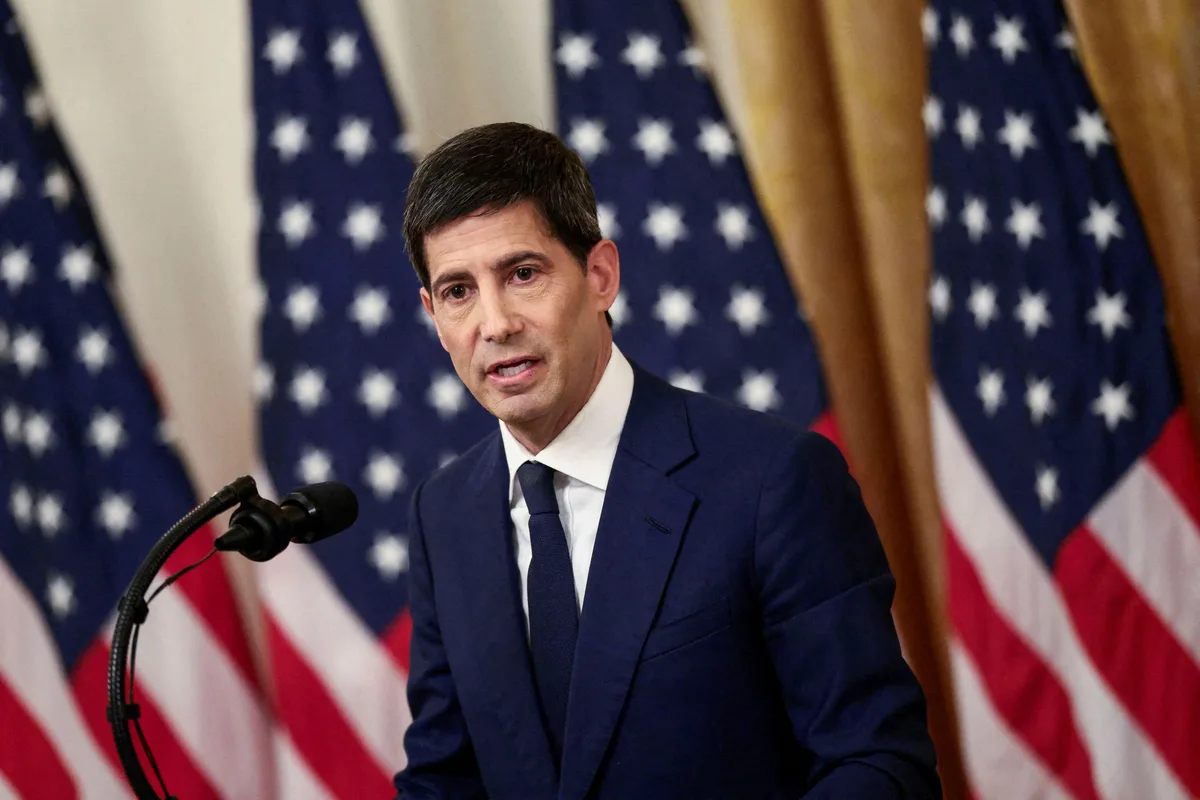
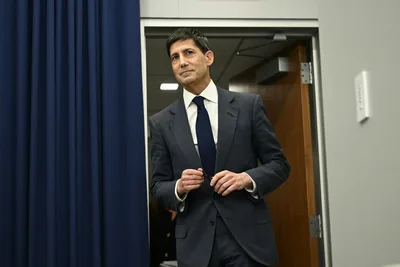
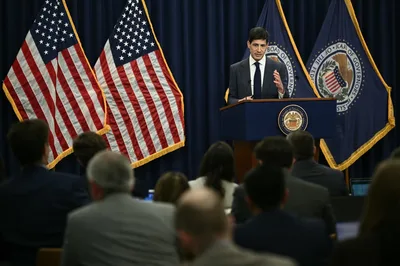
The Federal Reserve is not expected to alter interest rates anytime soon, according to respondents in the latest CNBC Fed Survey — a finding that carries added weight given the anticipated leadership transition at the central bank. Kevin Warsh, widely viewed as a leading candidate to chair the Fed, would inherit an institution in a holding pattern, one that appears content to wait out economic uncertainty before committing to any directional move on borrowing costs.
Perhaps the more immediate signal from the survey is the expectation that the Fed will strip its policy statement of the so-called easing bias — language that has, until now, telegraphed that the central bank's next likely move would be a rate cut. Removing that phrase is a meaningful shift in tone, suggesting policymakers want to preserve maximum optionality rather than pre-commit to a particular path. In the current environment, that kind of studied ambiguity can itself be a policy tool.
Read more Fed's Warsh Abstains From Rate Forecast as 2026 Hike Signals Emerge →
For markets, the combination of a stable rate outlook and a neutralized forward guidance signal creates a more complex backdrop. Investors who had been pricing in cuts as the next step must now recalibrate. A Fed that is neither leaning toward easing nor tightening is one that is, in effect, asking markets to stop front-running its decisions — a posture that often precedes a more significant policy pivot in either direction.
The broader context matters here. Rate expectations are shaped not just by Fed rhetoric but by the incoming economic data on inflation, employment, and growth. Survey respondents appear to believe that none of those variables are yet decisive enough to force the Fed's hand. That patient stance, whether under current or future leadership, reflects a central bank that learned costly lessons from moving too quickly in prior cycles.
Continue reading at US Top News and Analysis