House Votes on Anti-Socialism Resolution Tied to Voter-ID Push
Republicans bring a symbolic socialism condemnation to the floor while linking it to the controversial SAVE America Act voter-ID legislation.
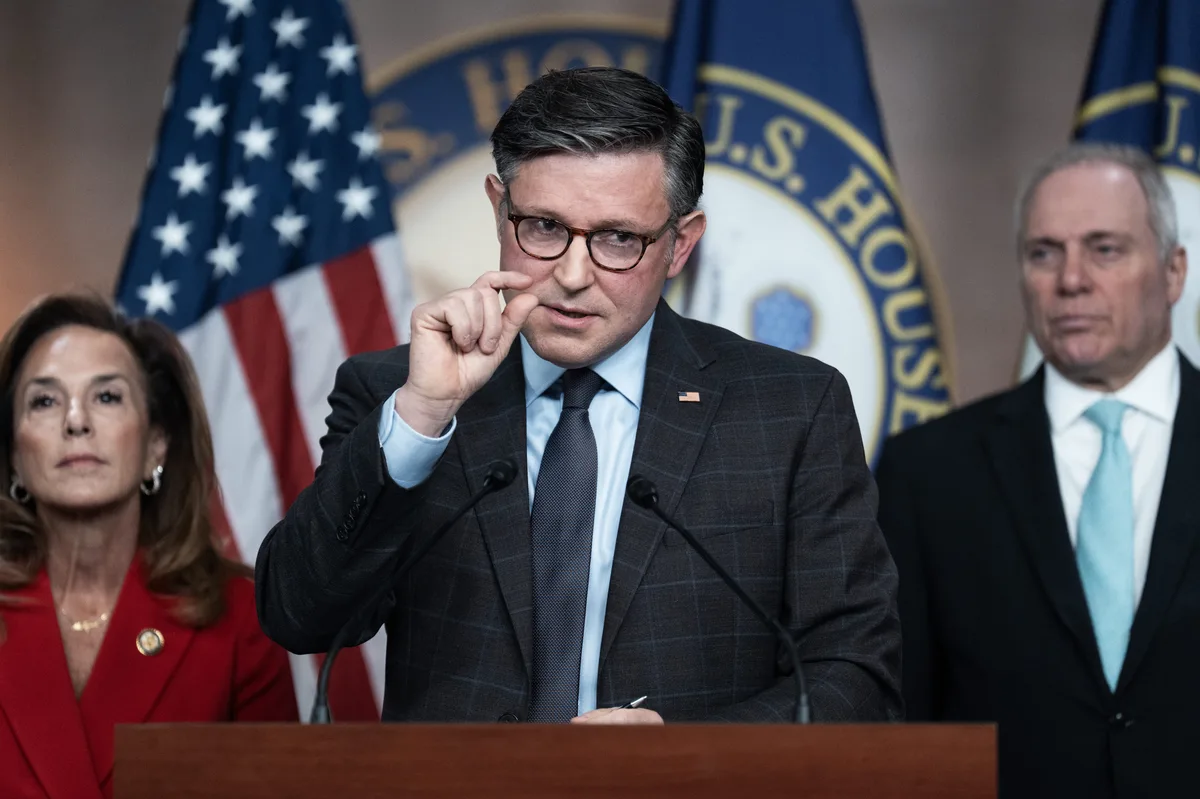
House Republicans are bringing a resolution condemning socialism to a floor vote ahead of the November election, a move that serves as both a political messaging exercise and a vehicle for advancing other conservative priorities. The timing is deliberate: with a consequential election cycle approaching, GOP leaders are eager to draw ideological contrasts and energize their base around foundational economic and political values.
What makes the measure more than a symbolic gesture is what Republicans embedded within it. Alongside the condemnation of socialist ideology, the resolution includes a call to pass the SAVE America Act, a voter-ID bill that has drawn sharp criticism from Democrats and voting-rights advocates who argue it would suppress turnout among minority, elderly, and low-income voters. Attaching that provision transforms an otherwise straightforward ideological statement into a broader legislative push.
Read more Trump Warns AI Data Center Critics Risk Falling Behind China →
The pairing of anti-socialism rhetoric with voter-ID advocacy reflects a well-worn Republican electoral strategy: consolidate messaging around themes of freedom, economic liberty, and electoral integrity in a single package. Whether or not the resolution advances meaningful policy, it gives members a concrete vote to campaign on — and forces Democrats into a position where opposing it can be framed as defending socialism or opposing election security.
Critics, however, are likely to argue that the resolution is performative governance, prioritizing election-year optics over substantive legislation. The SAVE America Act itself remains deeply divisive, and its inclusion in a non-binding resolution underscores how contentious it would be as a standalone bill. The move illustrates how symbolic votes can carry real political weight even when their legislative impact is limited.
Continue reading at US Top News and Analysis.