The Anti-Tobacco Lawyer Taking Aim at Meta and Social Media
Mike Moore, who won landmark settlements against Big Tobacco, is now applying the same legal strategy to Meta and social media platforms.
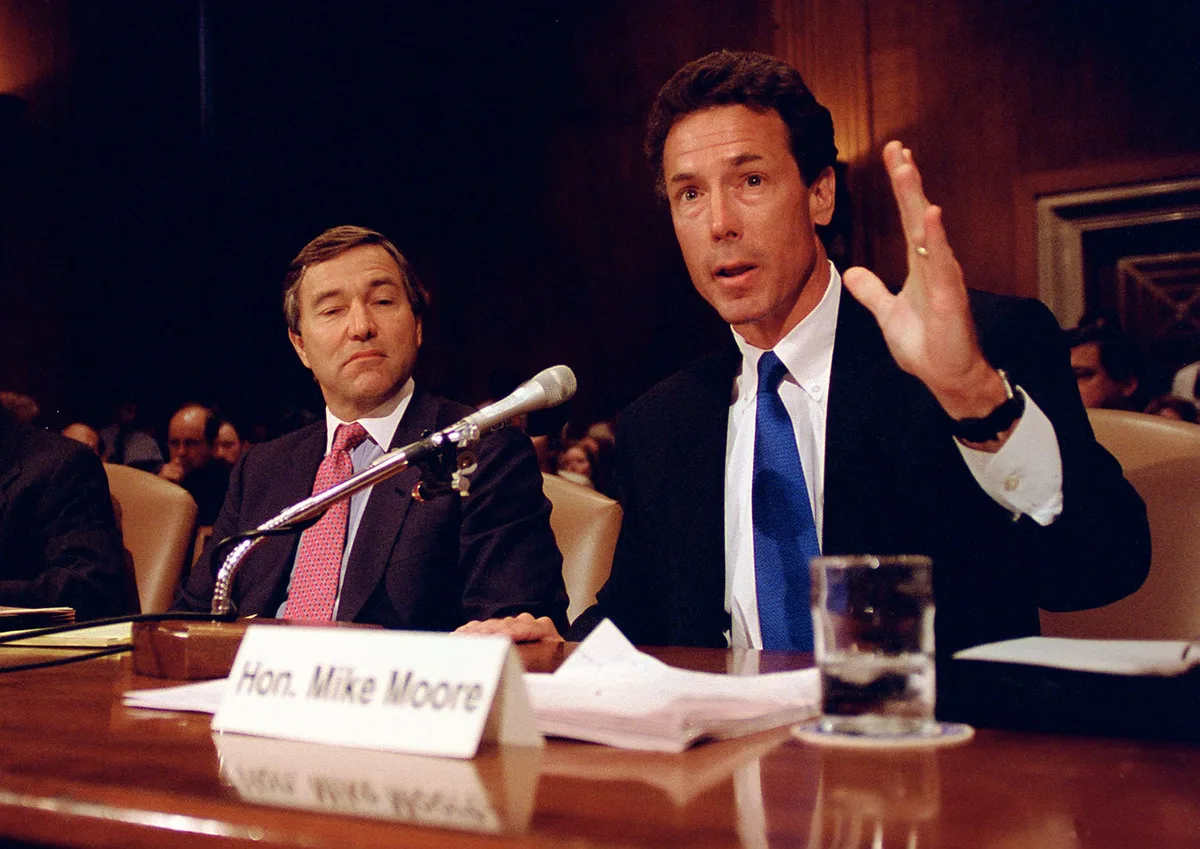
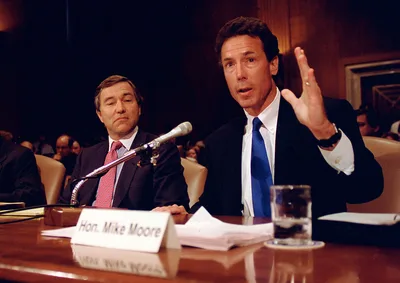
Few legal battles in American history reshaped an entire industry the way Mike Moore's lawsuits against the tobacco companies did in the 1990s. As Mississippi's attorney general, Moore coordinated a coalition of state attorneys general that ultimately forced the tobacco industry into a $246 billion settlement — the largest civil litigation settlement in U.S. history. Now, Moore has set his sights on a new target: Meta and the broader social media industry, which he argues has caused demonstrable harm to young people in ways that rhyme uncomfortably with how cigarette makers once concealed the dangers of their products.
The strategic parallels are not incidental. Moore and his allies are arguing that social media companies, like tobacco giants before them, possessed internal research demonstrating the harms their products caused — particularly to adolescents — while simultaneously marketing those platforms aggressively to the same vulnerable population. The legal theory rests on the idea that platforms engineered addictive experiences with full knowledge of the psychological consequences, a charge that echoes the core accusations that unraveled Big Tobacco's decades-long denial campaign.
Read more Can the Lawyer Who Beat Big Tobacco Take Down Meta? →
Yet the analogy has real limits that any honest legal analysis must acknowledge. Social media platforms operate behind substantial procedural and statutory shields that tobacco companies never enjoyed, most notably Section 230 of the Communications Decency Act, which historically has protected tech companies from liability for content hosted on their services. Courts have wrestled with where platform design decisions end and protected editorial discretion begins — a distinction that will likely determine whether this wave of litigation succeeds or stalls.
What Moore's campaign does accomplish, regardless of courtroom outcomes, is shift the political and regulatory climate. The tobacco fight changed public perception before it changed the law, and sustained litigation pressure on Meta arrives at a moment when bipartisan skepticism toward big tech is already running high in Washington. Whether the legal playbook translates across industries remains uncertain, but the reputational and legislative pressure it generates may prove consequential in its own right.
Continue reading at US Top News and Analysis