Trump Warns AI Data Center Critics Risk Falling Behind China
President Trump says communities resisting AI data centers will be left 'backwards and poor' as GOP grapples with local opposition to the facilities.
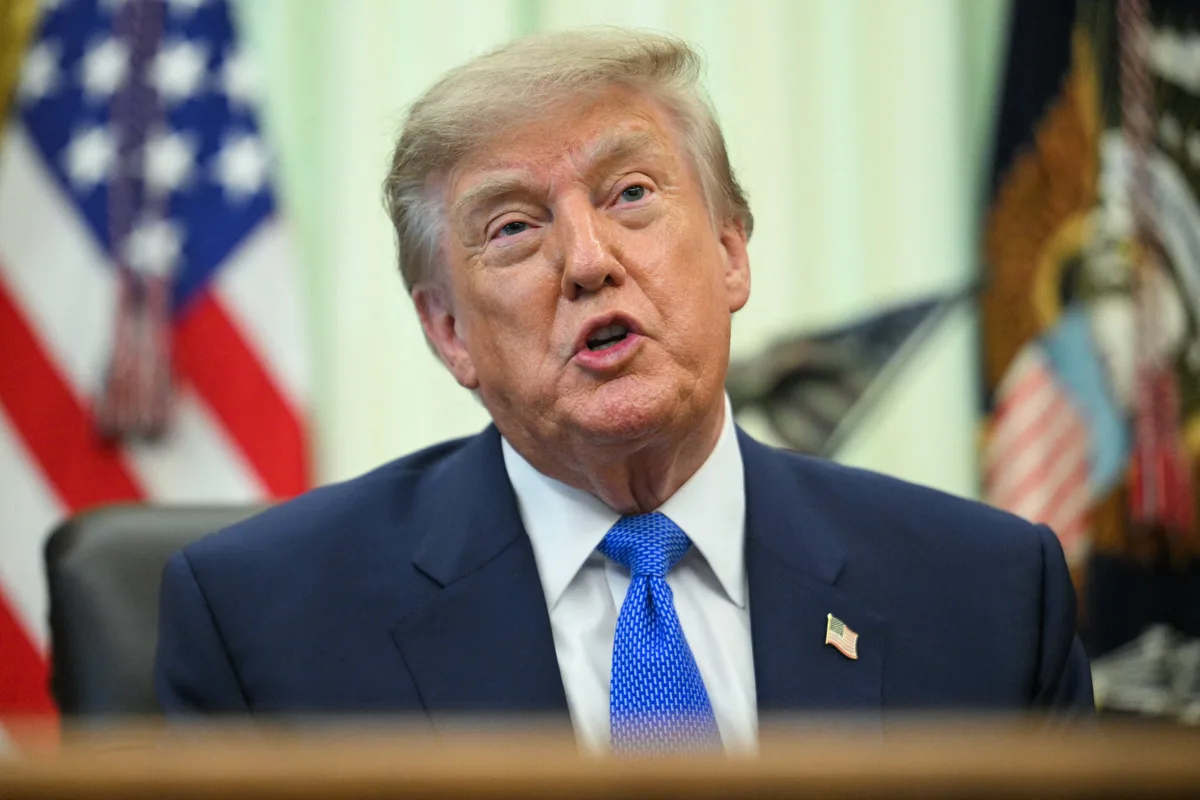
President Donald Trump escalated his defense of AI infrastructure development this week, warning that American communities pushing back against data centers risk ceding technological ground to China. "China could not be happier with this anti Data Center movement," Trump said, framing local resistance not merely as a zoning dispute but as a matter of national competitiveness in the global AI race.
The remarks arrive at a politically complicated moment for Republicans, who are navigating real tension between their party's pro-business, pro-AI agenda and constituents voicing legitimate concerns about data center proliferation — including noise, water consumption, strain on local power grids, and land use. The backlash is not ideologically uniform; it spans rural conservatives and suburban communities alike, making it a thorny issue for GOP officials caught between federal priorities and local grievances.
Read more The Anti-Tobacco Lawyer Taking Aim at Meta and Social Media →
Trump's framing — invoking China as the default counterargument — reflects a broader rhetorical strategy his administration has deployed across semiconductor policy, manufacturing, and now AI infrastructure. By casting skepticism of data centers as tantamount to aiding a geopolitical rival, the White House is attempting to shift the debate from neighborhood concerns to national security imperatives, a framing that has historically proven effective at moving Republican lawmakers.
What the argument leaves unaddressed is whether the current pace and geography of data center deployment is being matched by adequate investment in the grid capacity, water infrastructure, and community planning needed to support it. Critics argue that opposition to specific projects is not opposition to AI itself, but rather a demand for more deliberate siting decisions and equitable distribution of both the economic benefits and the burdens these facilities bring.
The political stakes are real: the United States is engaged in an intense, long-term competition with China over AI dominance, and data centers are the physical backbone of that effort. How Washington balances federal ambition with local democratic input will define not just AI policy, but the broader relationship between technological development and community consent. Continue reading at US Top News and Analysis.