Kevin Warsh Sounded Dovish, But Rate Hike Signals Hide in Plain Sight
Markets read Warsh's Fed presser as cautious, but his prepared remarks carry distinct hawkish undertones pointing toward a potential rate increase.
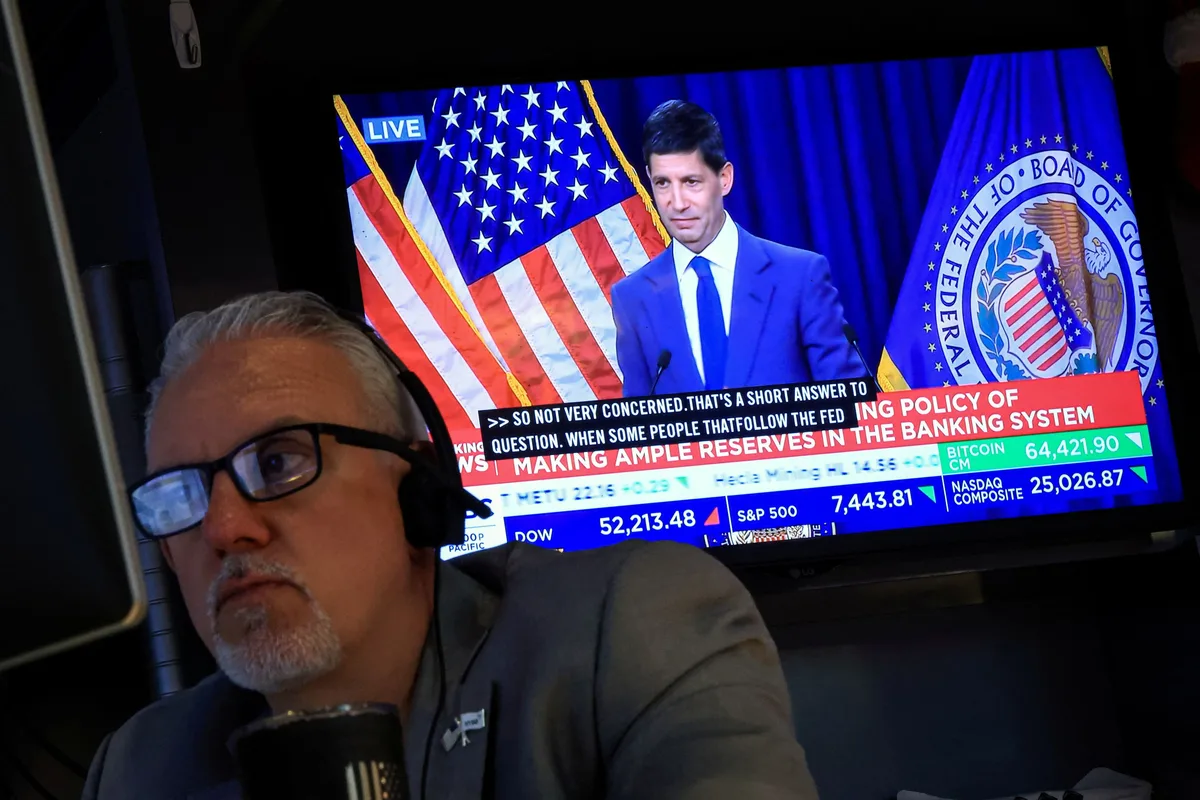
Wall Street walked away from Kevin Warsh's Federal Reserve press conference feeling reassured — perhaps too reassured. Investors parsed his tone as dovish, pricing in a patient central bank in no hurry to tighten monetary policy. But a more careful reading of the Fed chair's own prepared remarks tells a notably different story, one in which the conditions for a rate hike may already be falling into place.
The gap between market perception and textual reality is not unusual in central banking, where every word is deliberately chosen and press conference delivery can obscure as much as it reveals. What traders hear in the moment — cadence, hedging language, pauses — often diverges from the policy intent embedded in the written statement. Warsh's remarks appear to be a case study in exactly that dynamic, with the written record carrying a more hawkish posture than the room absorbed in real time.
Read more S&P 500 Stalls at Critical Level as Options Market Takes Control →
This kind of interpretive mismatch carries real consequences. If markets have mispriced the Fed's trajectory, a correction could come swiftly once economic data or subsequent Fed communications force a reassessment. Equity valuations, bond yields, and the dollar are all sensitive to shifts in rate expectations, meaning the cost of misreading Warsh could ripple broadly across asset classes.
The episode also raises a broader question about Fed communication strategy under Warsh. If his written statements and his live delivery are consistently sending different signals, investors will eventually need to decide which medium to trust — and recalibrate accordingly. Central bank credibility depends heavily on clarity, and a persistent signal gap could erode the forward guidance that markets rely on to price risk efficiently.
Whether Warsh ultimately moves to raise rates will depend on incoming data, but the analytical case embedded in his own words suggests the bar may be lower than the market currently assumes. Continue reading at US Top News and Analysis.