Novo Nordisk Shares Slide as Heart Drug Fails Key Clinical Trial
Novo Nordisk's ziltivekimab failed to show statistically significant cardiovascular benefits, dealing a fresh blow to the Danish drugmaker's pipeline.
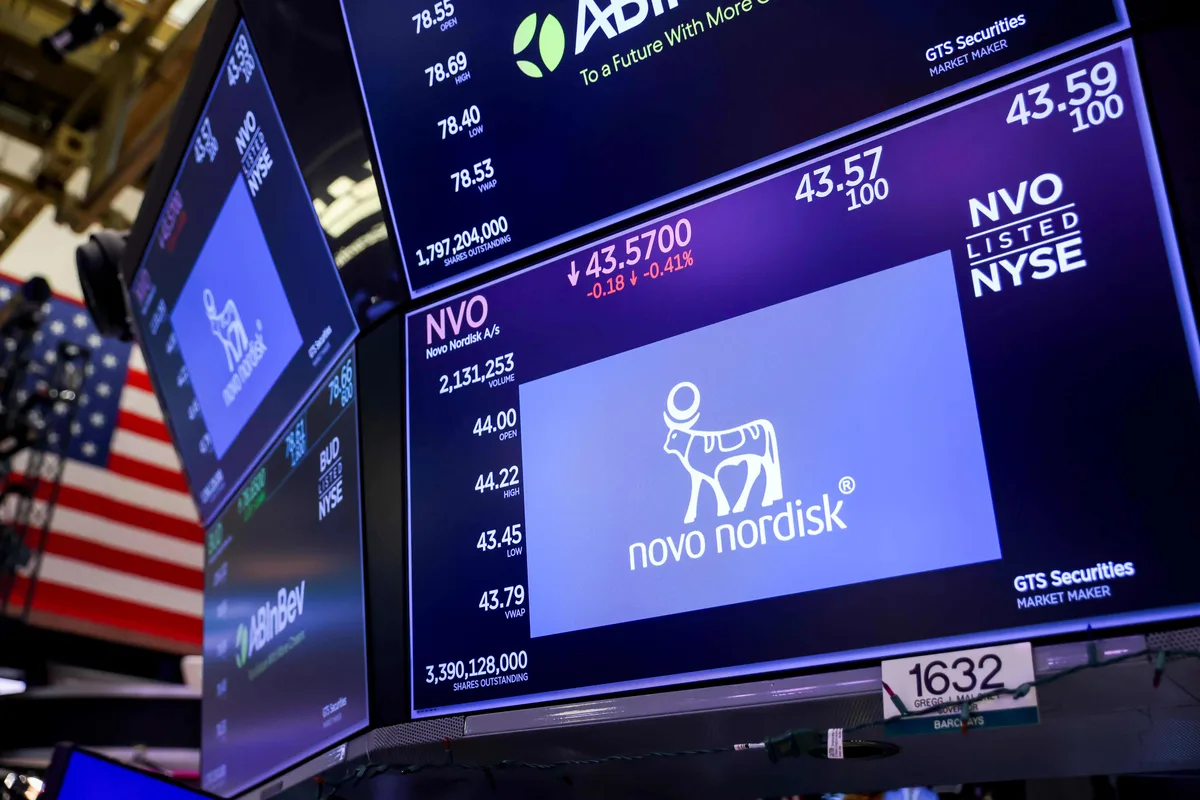
Novo Nordisk suffered another setback to its drug development ambitions Friday after an experimental heart medicine failed a pivotal clinical trial, sending shares lower and raising fresh questions about the company's ability to diversify beyond its blockbuster obesity and diabetes franchises.
The drug in question, ziltivekimab, did not produce a statistically meaningful reduction in major cardiovascular adverse events, the Copenhagen-based pharmaceutical giant disclosed. The result is a significant disappointment for investors who had hoped the anti-inflammatory compound could open an entirely new revenue stream for the company, particularly as competition in the GLP-1 weight-loss drug market intensifies.
Read more S&P 500 Stalls at Critical Level as Options Market Takes Control →
The failure matters beyond the immediate stock reaction. Novo Nordisk had been counting on pipeline breadth to reassure analysts that its long-term growth story wasn't entirely dependent on semaglutide-based products like Ozempic and Wegovy. A clinical stumble of this magnitude forces a reassessment of that narrative, and it arrives at a moment when the company is already navigating pricing pressure and manufacturing constraints in its core business.
Cardiovascular disease remains one of the largest unmet medical needs globally, and the race to develop effective anti-inflammatory therapies targeting heart risk has attracted heavy investment from multiple pharmaceutical players. Ziltivekimab's failure underscores just how difficult it is to translate promising early-stage data into late-stage trial success — a reminder that drug development risk never fully disappears, regardless of a company's scale or resources.
For shareholders, the episode adds to a period of heightened scrutiny for Novo Nordisk, whose stock had already retreated from its 2024 peaks amid competitive concerns. Whether management can credibly rebuild pipeline confidence will be a central question heading into its next investor communications. Continue reading at US Top News and Analysis.