ACA Enrollment Drops 3 Million: Fraud Controls or Rising Costs?
Affordable Care Act marketplace sign-ups have fallen sharply, sparking a debate between the Trump administration and policy experts over the root cause.
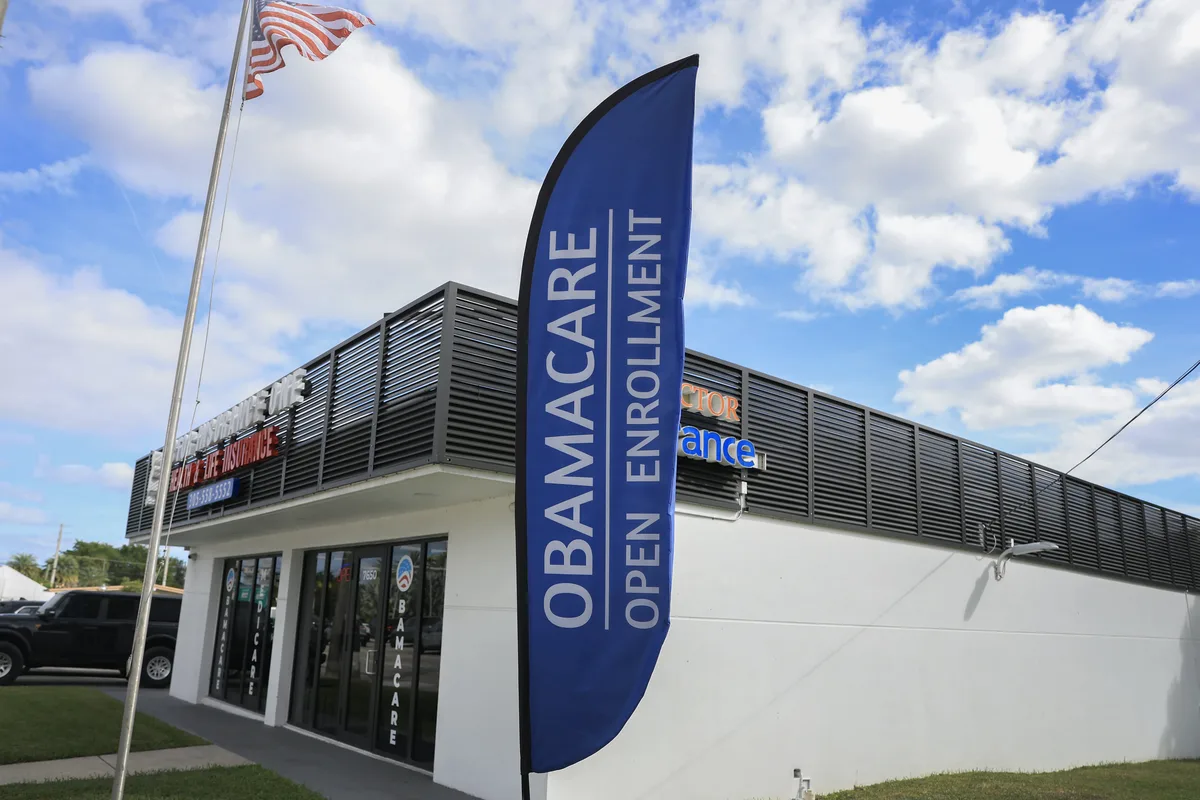
Affordable Care Act marketplace enrollment has declined by roughly 3 million people, a significant drop that is drawing sharp disagreement over what is actually driving Americans away from the federally subsidized insurance exchanges. The numbers alone tell a troubling story for a program that has long been a flashpoint in U.S. health policy, but the explanation behind them may matter just as much as the figures themselves.
The Trump administration has framed the enrollment decline as a sign of progress, attributing the falloff largely to tightened fraud controls. In this telling, the drop represents the purging of improper or fraudulent enrollments rather than a genuine retreat by eligible Americans who simply cannot afford or access coverage — a distinction that, if accurate, would recast the numbers as a policy success rather than a warning sign.
Read more Congress Moves to Close Crypto's Wash Sale Tax Loophole →
Policy experts and analysts push back on that framing, arguing that cost pressures are the more compelling explanation. Premium increases, reduced subsidies, or the expiration of enhanced financial assistance can all price out lower- and middle-income enrollees who rely on the marketplaces as their primary pathway to coverage. When affordability erodes, enrollment tends to follow — and that dynamic has been well-documented across the history of the ACA.
The divergence between these two interpretations carries real consequences for how policymakers respond. If fraud was the dominant factor, the system may be functioning more efficiently. If cost is the culprit, millions of Americans could be slipping into the ranks of the uninsured, with downstream effects on public health, hospital finances, and federal Medicaid exposure. Neither outcome is politically neutral, which helps explain why the framing battle has grown so heated.
The disagreement underscores a broader challenge in health policy: enrollment data rarely speaks for itself, and competing interpretations often reflect ideological priors as much as empirical evidence. How this debate resolves — and which narrative takes hold in Washington — could shape the future of the ACA marketplaces for years to come. Continue reading at US Top News and Analysis.