Anthropic Fights AI Data Theft as China Concerns Mount
Foreign adversaries are illegally accessing U.S. AI systems to train rival models and undercutting American firms with cheaper copycat products.
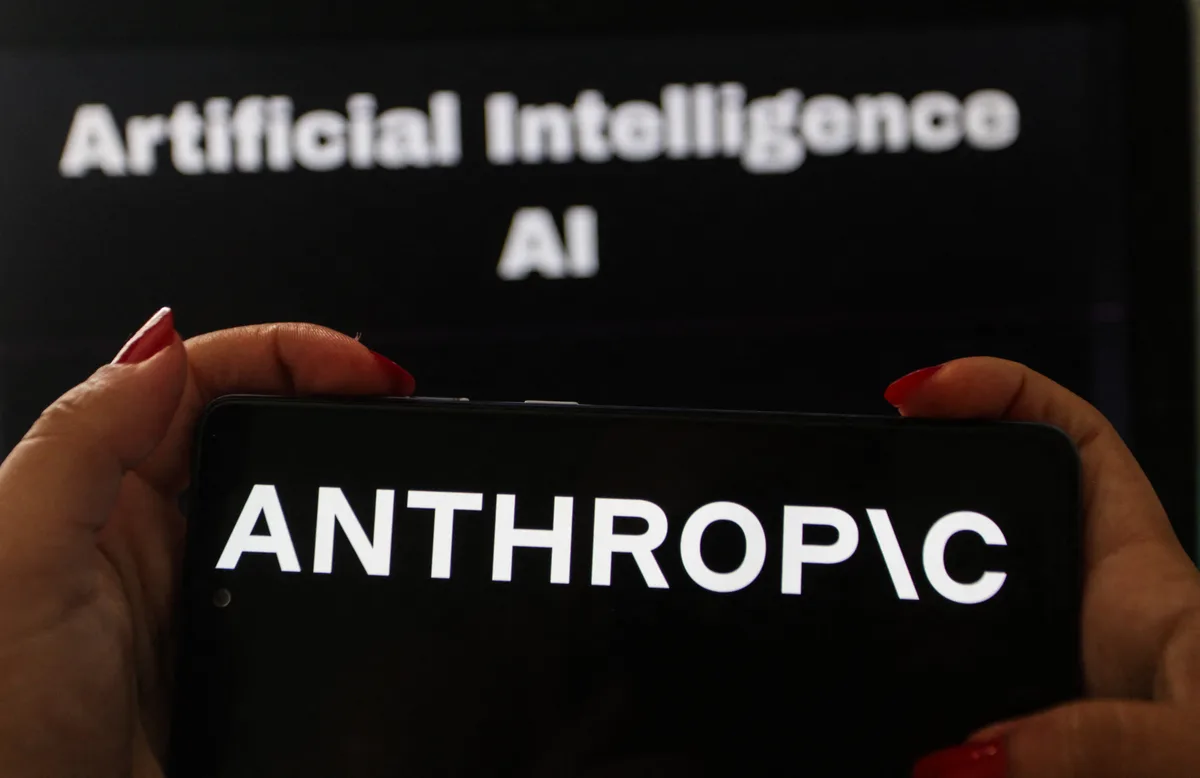
A quiet but consequential battle is unfolding at the intersection of artificial intelligence and national security. Anthropic, one of America's leading AI developers, is confronting a growing threat: foreign adversaries exploiting its systems through illicit channels — including the dark web — to extract the intelligence that powers its models and replicate them at a fraction of the cost.
The practice, known as model distillation, involves using outputs from a sophisticated AI system to train a smaller, cheaper competing model. When carried out without authorization, it constitutes both intellectual property theft and a potential national security risk — particularly when the actors involved are linked to geopolitical rivals. China has emerged as the central concern in this context, as American officials and tech firms alike grow wary of how advanced AI capabilities could be transferred or reproduced abroad.
Read more Canada Vows Dollar-for-Dollar Tariff Retaliation Against US Duties →
What makes this threat especially difficult to contain is the architecture of the internet itself. The dark web provides adversaries with anonymized pathways to query American AI systems at scale, harvesting responses that can then be fed into training pipelines for rival models. The result is a compounding disadvantage for U.S. firms: they absorb the enormous cost of frontier AI development, while competitors potentially leapfrog years of research by piggybacking on that investment illegally.
The broader implication is strategic as much as commercial. If foreign actors can systematically distill American AI systems and sell the resulting models at lower prices — both domestically and in global markets — the competitive and geopolitical advantage the U.S. has cultivated in artificial intelligence could erode faster than policymakers have anticipated. Anthropic's fight, in that sense, is less a corporate legal dispute and more a preview of the next frontier in technology-driven great-power competition.
Continue reading at US Top News and Analysis.